
People search about puppy yoga benefits for mental health because they want something simple that actually reduces stress without complicated routines. Traditional relaxation methods often fail because the mind stays busy even when the body stops moving.
Puppy yoga works differently. It combines gentle movement with emotional interaction, which makes relaxation happen naturally instead of being forced.
This guide explains what actually happens inside the brain and behavior during these sessions, what benefits are real, what concerns exist, and whether the experience genuinely improves emotional wellbeing or is just a trend.
By the end you will understand whether puppy yoga is helpful, who it works best for, and how to approach it responsibly.
Key Takeaways
- Puppy interaction increases calming hormone release
- Movement plus play improves emotional regulation
- Social bonding reduces loneliness response
- Short sessions can improve mood stability
- Ethical handling determines real benefits
What Happens in the Brain During Puppy Yoga
Hormone Response and Emotional Shift
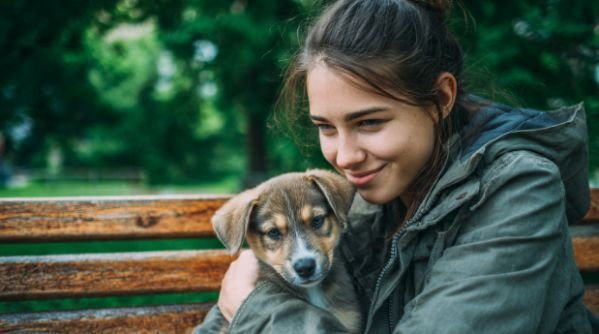
When humans interact with friendly animals the brain releases oxytocin and reduces cortisol. Oxytocin supports emotional bonding while cortisol controls stress response. The combination produces relaxation without conscious effort.
Unlike meditation which requires focus, interaction with puppies creates automatic emotional feedback.
The mind stops analyzing and begins reacting naturally which reduces mental overload, a contrast often discussed in human and computer interaction , where engagement is cognitive and task-driven rather than emotionally responsive.
Attention Reset Mechanism
Mental fatigue usually comes from continuous thinking loops. Gentle unpredictable movement from puppies interrupts those loops. The brain shifts from rumination mode to present-moment awareness.
This reset effect explains why participants often report feeling calmer even without intense exercise.
Physical Movement and Psychological Stability
Micro-Movement Activation
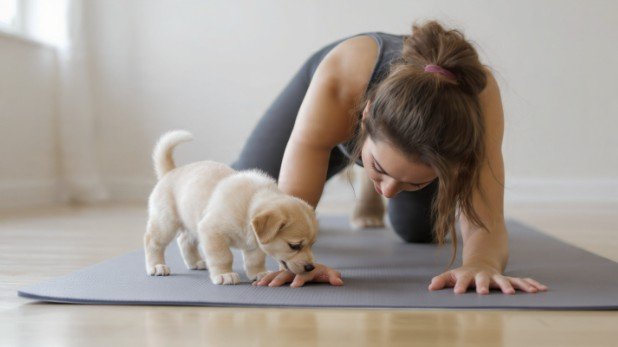
Traditional yoga relies on controlled poses. Puppy yoga adds unpredictable movement such as reaching, turning, and adjusting balance. These small movements activate stabilizing muscles and improve body awareness.
Better body awareness improves emotional self regulation because physical tension and mental tension share neurological pathways.
Breathing Pattern Improvement
People naturally slow breathing while petting animals. Slower breathing signals safety to the nervous system. Once the body harnesses, anxiety decreases without conscious control techniques.
Social Connection Effects
Shared Experience Reduces Isolation
Humans relax faster in cooperative environments. Participants interact not only with animals but also with each other. This lowers social threat perception which reduces background stress levels.
The environment becomes playful rather than performance-based, removing comparison pressure often present in fitness classes.
Emotional Expression Without Judgment
People communicate more openly in relaxed settings. Interaction with animals lowers defensive behavior. This encourages conversation and emotional release, indirectly supporting mental health.
Why Puppy Yoga Feels Different From Normal Yoga
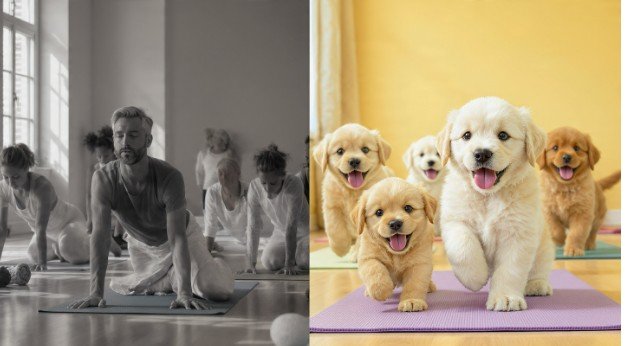
Focus Is External Not Internal
Traditional yoga requires internal attention. Many beginners struggle because their thoughts remain active. Puppy yoga redirects attention outward, making calmness easier to achieve.
The relaxation comes from engagement instead of concentration.
Positive Distraction Works Better Than Forced Silence
Silence can amplify thoughts. Gentle distraction reduces mental noise. The presence of animals creates positive unpredictability that interrupts repetitive thinking.
Emotional Benefits Observed

Short-Term Mood Improvement
Most participants experience immediate mood lift due to dopamine activation from play interaction. This effect resembles the emotional response humans experience during friendly social contact.
Long-Term Stress Regulation
Repeated exposure trains the nervous system to shift faster from alert state to relaxed state. Over time the body learns to exit stress mode more efficiently.
Potential Concerns and Responsible Participation
Animal Welfare Considerations
When incorporating animals into wellness activities, such as therapy sessions or stress-relief programs, the animals’ comfort and well-being must always come first. Overstimulated puppies or animals can show signs of stress, including avoidance behavior, excessive fatigue, or even aggression.
These signals are crucial indicators that the animals need a break or a calmer environment. Ethical sessions ensure that animals are given ample rest periods, access to water, and the opportunity to disengage when needed. It is important to recognize the animal’s needs and adjust the session accordingly to avoid causing distress.
Participant Expectations
Who Benefits Most?
Individuals With Mental Overload
People experiencing constant mental activity often respond well because the activity interrupts cognitive loops.
Socially Isolated Individuals
Shared interaction helps rebuild casual social comfort in low-pressure environments.
Beginners to Mindfulness Practices
Those who struggle with silent meditation find engagement-based relaxation easier to maintain.
Long-Term Psychological Impact

Over time participants often develop improved emotional flexibility. Instead of suppressing stress reactions the body learns faster recovery. This adaptability contributes to resilience.
Frequently Asked Questions
1. Does puppy yoga actually reduce anxiety?
It can temporarily lower stress hormones and create relaxation but it is not a medical treatment.
2. Is it suitable for people who have never tried yoga?
Yes, sessions are designed to be beginner friendly and focus more on comfort than precision.
3. Are the benefits long lasting?
Short-term mood improvement is immediate while long-term regulation requires repeated sessions.
4. Can children participate safely?
Only if sessions follow proper supervision and animal welfare rules.
5. Is it harmful to puppies?
Ethical programs provide rest, hydration, and limited interaction duration to prevent stress.
The Real Impact of Puppy Yoga on Mental Wellness
The real benefits for puppy yoga for mental health come from combining movement, touch, and social interaction in a low-pressure environment. The experience works because it shifts the nervous system into a safe state naturally rather than forcing relaxation techniques.
When practiced responsibly it becomes a supportive wellness activity that complements other mental health habits instead of replacing them.