What Exactly Is Dental Erosion?
Dental erosion represents one of the most insidious threats to oral health, silently wearing away tooth enamel through chemical processes rather than the mechanical action of decay. Unlike cavities, which develop in specific spots, erosion affects entire tooth surfaces, gradually dissolving the protective mineral layer that shields teeth from damage. This process occurs when acids directly contact tooth surfaces, causing irreversible loss of tooth structure that can lead to sensitivity, discolouration, and compromised dental function.
The condition affects millions of people across the UK, yet many remain unaware of its presence until significant damage has occurred. Modern lifestyles, dietary habits, and environmental factors have contributed to an alarming increase in erosion cases, making understanding and prevention more crucial than ever. The dentist St Albans observe this trend regularly, with many noting that patients often mistake early erosion symptoms for normal wear or minor sensitivity issues.
The Science Behind Enamel Destruction
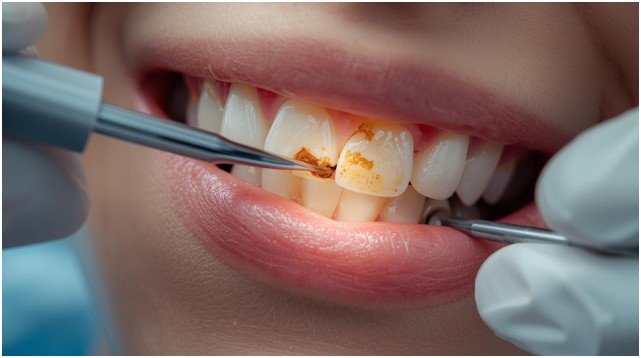
Tooth enamel, the hardest substance in the human body, consists primarily of hydroxyapatite crystals arranged in a complex matrix. When exposed to acids with a pH below 5.5, these crystals begin to dissolve in a process called demineralisation. The mouth’s natural defence mechanism involves saliva neutralising acids and providing minerals for remineralisation, but prolonged or frequent acid exposure overwhelms this protective system.
The erosion process occurs in stages, beginning with softening of the enamel surface. During this initial phase, the tooth structure becomes vulnerable but remains largely intact. However, continued acid exposure leads to progressive mineral loss, creating microscopic pits and eventually visible changes in tooth shape and colour. Understanding this mechanism helps explain why timing and frequency of acid exposure matter more than simple quantity.
Primary Culprits: Dietary and Environmental Factors

Acidic Foods and Beverages
Modern diets present numerous challenges to dental health, with many popular foods and drinks containing high levels of erosive acids. Citrus fruits, whilst nutritionally beneficial, contain citric acid that can soften enamel within minutes of contact. Soft drinks, particularly cola beverages, combine phosphoric and carbonic acids with sugars, creating a perfect storm for enamel destruction. Wine, both red and white varieties, contains tartaric and malic acids that contribute significantly to erosion risk.
Sports drinks and fruit juices often surprise patients with their erosive potential. Many assume these beverages represent healthier alternatives to soft drinks, yet their acid content frequently exceeds that of traditional fizzy drinks. Even seemingly innocent foods like pickles, vinegar-based dressings, and certain breakfast cereals can contribute to the daily acid load that teeth must endure.
Medical Conditions and Lifestyle Factors
Beyond dietary sources, several medical conditions increase erosion risk substantially. Gastroesophageal reflux disease (GORD) exposes teeth to stomach acid, which possesses a pH low enough to cause rapid enamel loss. Research on dental erosion patterns demonstrates that individuals with chronic reflux often develop characteristic erosion patterns on the tongue-side surfaces of their teeth.
Eating disorders, particularly bulimia nervosa, create similar challenges through frequent vomiting episodes. The repeated exposure to gastric acids can cause devastating erosion patterns, often affecting the back surfaces of front teeth most severely. Additionally, certain medications, including aspirin and vitamin C tablets, can contribute to localised erosion when allowed to dissolve against tooth surfaces.
Recognising the Warning Signs
Early detection of dental erosion requires awareness of subtle changes that precede obvious damage. Initial symptoms often include increased sensitivity to temperature changes, particularly when consuming cold or hot beverages. Teeth may begin to appear slightly transparent at the edges, and patients might notice that their teeth seem shorter or have changed shape gradually over time.
As erosion progresses, more obvious signs emerge. Teeth may develop a glossy, smooth appearance where natural texture has been lost. Yellow discolouration becomes apparent as the underlying dentine layer shows through thinned enamel. In advanced cases, teeth develop cupped areas or indentations, particularly on chewing surfaces, and may crack or chip more easily than previously.
Effective Prevention Strategies
Timing and Technique Matter
Prevention strategies focus on minimising acid exposure and maximising the mouth’s natural protective mechanisms. Guidelines for preventing dental erosion emphasise the importance of consuming acidic foods and drinks quickly rather than sipping slowly over extended periods. Using straws helps direct liquids away from tooth surfaces, whilst rinsing with water immediately after acid exposure helps neutralise harmful substances.
Crucially, brushing should be delayed for at least an hour after consuming acidic substances. Brushing softened enamel can accelerate erosion, making timing as important as technique. When brushing does occur, using a soft-bristled toothbrush and fluoride toothpaste helps strengthen remaining enamel through remineralisation processes.
Professional Intervention and Treatment
Regular dental examinations allow for early detection and intervention before erosion becomes severe. Many patients benefit from seeing a dentist St Albans residents trust for comprehensive erosion assessment and personalised prevention plans. Professional fluoride applications can help strengthen vulnerable enamel, whilst custom-fitted mouthguards protect teeth during sleep for patients with reflux issues.
Taking Action for Long-term Dental Health
Understanding dental erosion empowers individuals to make informed decisions about their oral health. Comprehensive approaches to understanding dental erosion demonstrate that combining dietary awareness, proper oral hygiene timing, and professional care creates the most effective defence against this pervasive condition.
Early intervention and consistent prevention strategies can preserve natural tooth structure for decades, ensuring that smiles remain healthy, functional, and attractive throughout life.