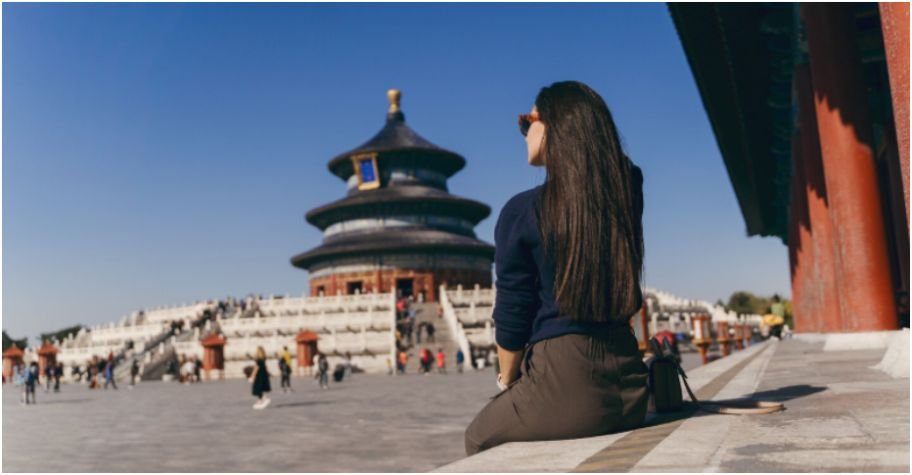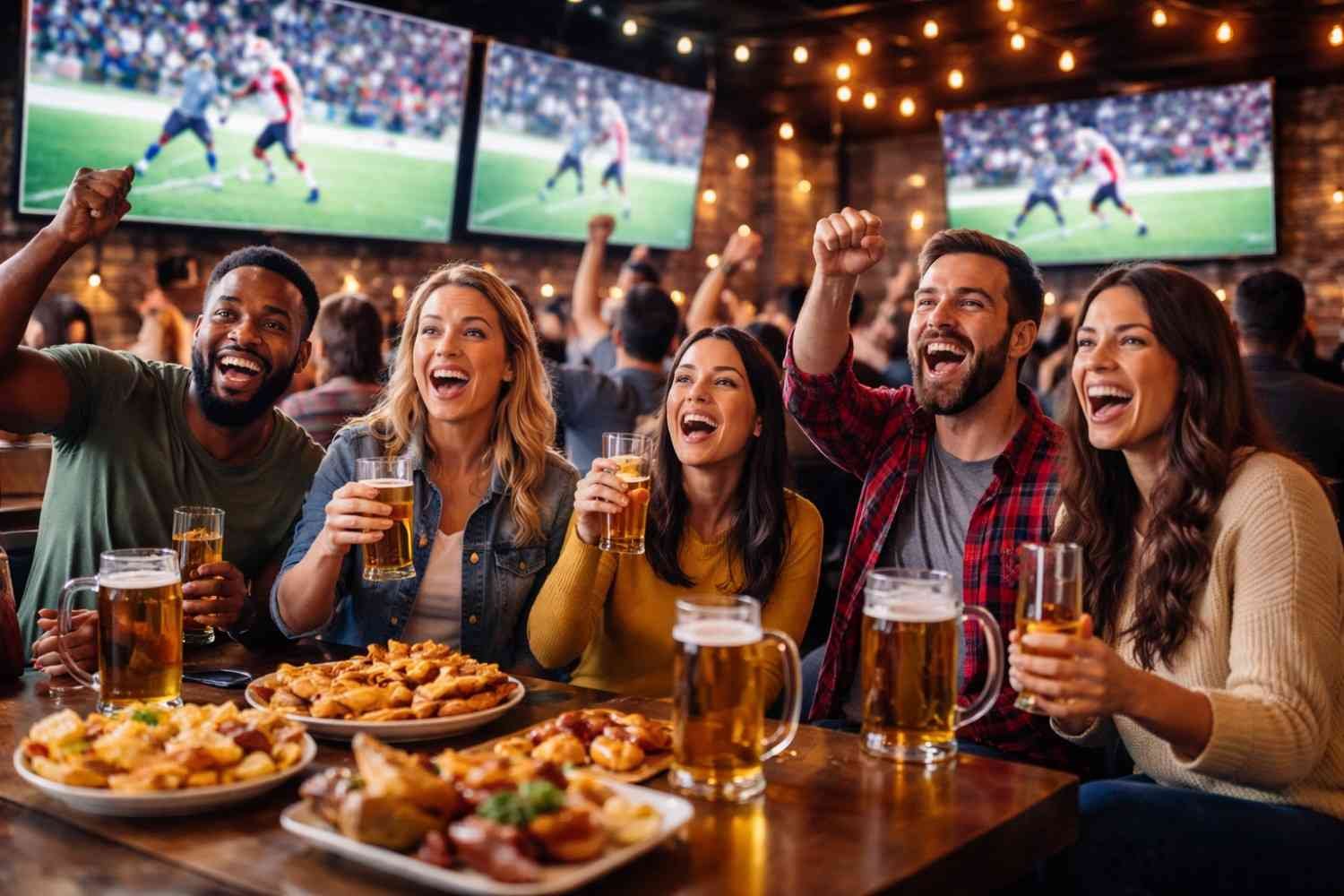
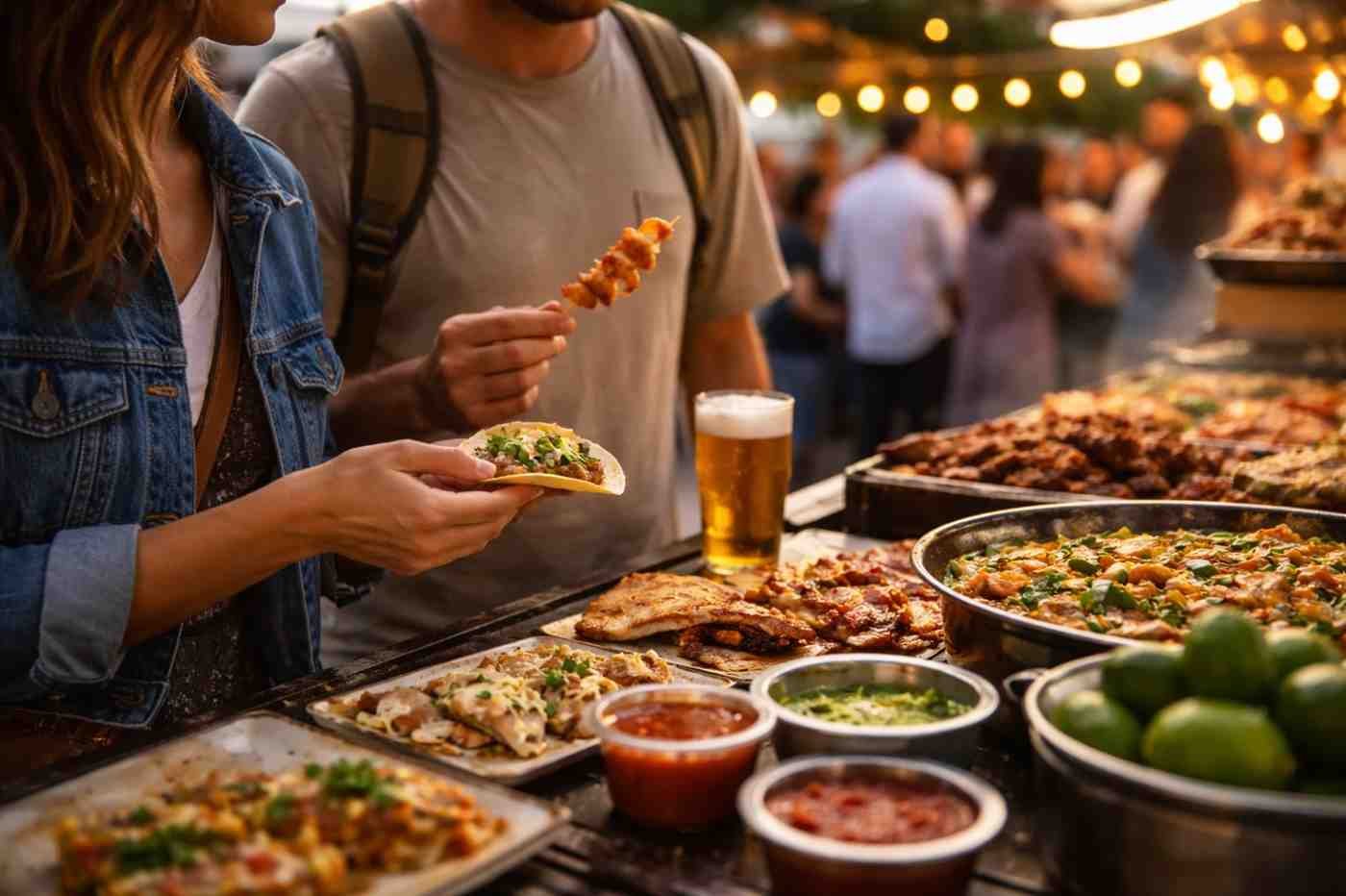
Travel started feeling different to me when I stopped planning trips around landmarks and started planning them around meals. I still visited museums, viewpoints, and famous streets, but the moments I remembered most were always tied to food. A late-night slice from a tiny shop, a crowded weekend farmers market, a family-run diner where the owner asked where I was visiting from. Those moments stayed longer than any monument.
Sightseeing shows you what a place looks like, but food shows you how a place lives. You don’t just observe food, you participate in it. You sit, you taste, you smell, you talk, you wait, you watch people. Somehow, meals turn into memories faster than attractions do, and that’s really what makes food travel experiences so different from regular travel.
Food Turns Travel Into A Multisensory Experience
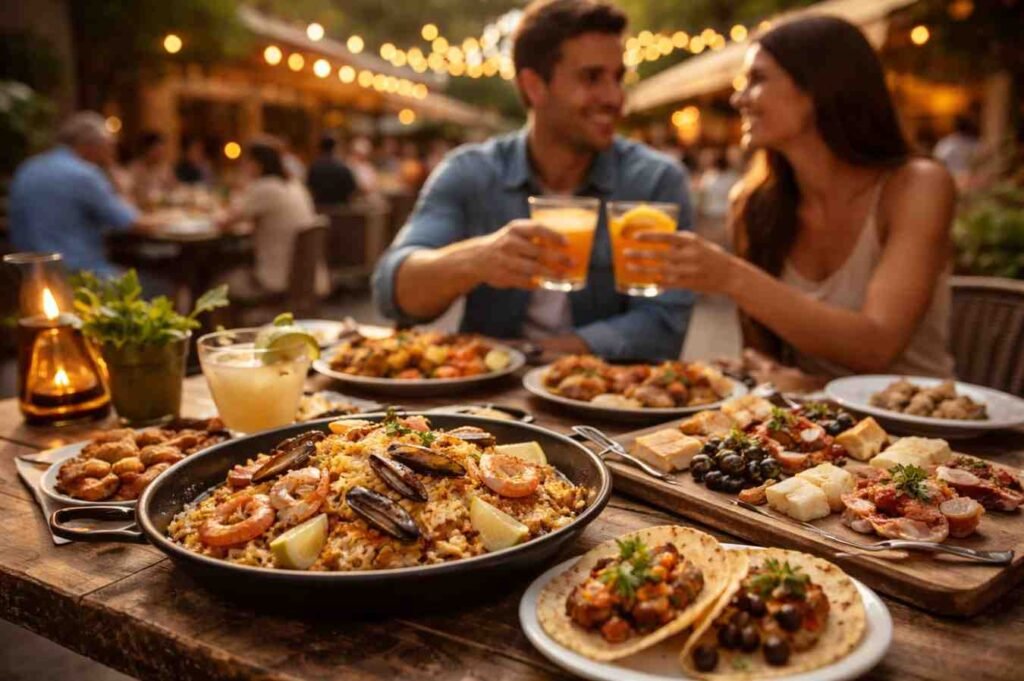
Sightseeing is mostly visual. You see buildings, landscapes, streets, and landmarks. Food travel, on the other hand, uses all five senses: taste, smell, texture, sound, and sight. That combination creates much stronger memories.
Think about it. You might forget the name of a city square, but you will remember:
- The smell of fresh bread from a bakery
- The sound of a busy food market
- The taste of a local dessert you had for the first time
- The texture of handmade pasta or slow-cooked barbecue
- The atmosphere of a small restaurant packed with locals
Food becomes a memory anchor. Years later, a specific spice, sauce, or dish can instantly take you back to a place and a moment. That rarely happens with landmarks.
This is one of the biggest reasons culinary travel is growing so fast: people want experiences they can feel, not just see.
Food Is The Fastest Way To Understand Culture
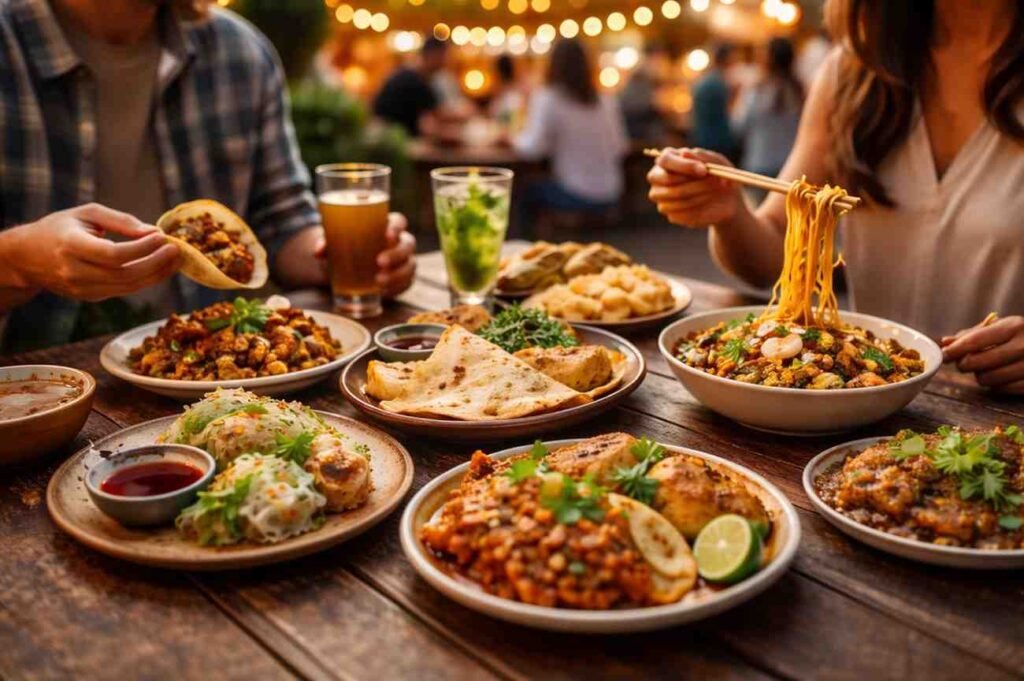
If you really want to understand a place, look at what people eat, when they eat, and how they eat. Food tells you about history, climate, agriculture, immigration, traditions, and lifestyle all at once.
For example:
- Coastal regions often have seafood-heavy cuisine
- Cold regions have slow-cooked, heavy meals
- Agricultural areas focus on fresh produce and seasonal dishes
- Cities with diverse populations have fusion food and global cuisine
- Small towns often have family-owned restaurants with recipes passed down for generations
Local food experiences teach culture without a classroom. You learn by tasting, observing, and talking to people who cook and serve the food. That kind of learning feels natural and personal, not like reading information on a signboard.
Food and culture travel go hand in hand because recipes often carry stories from decades or even centuries ago.
Food Creates Human Connections Faster Than Sightseeing
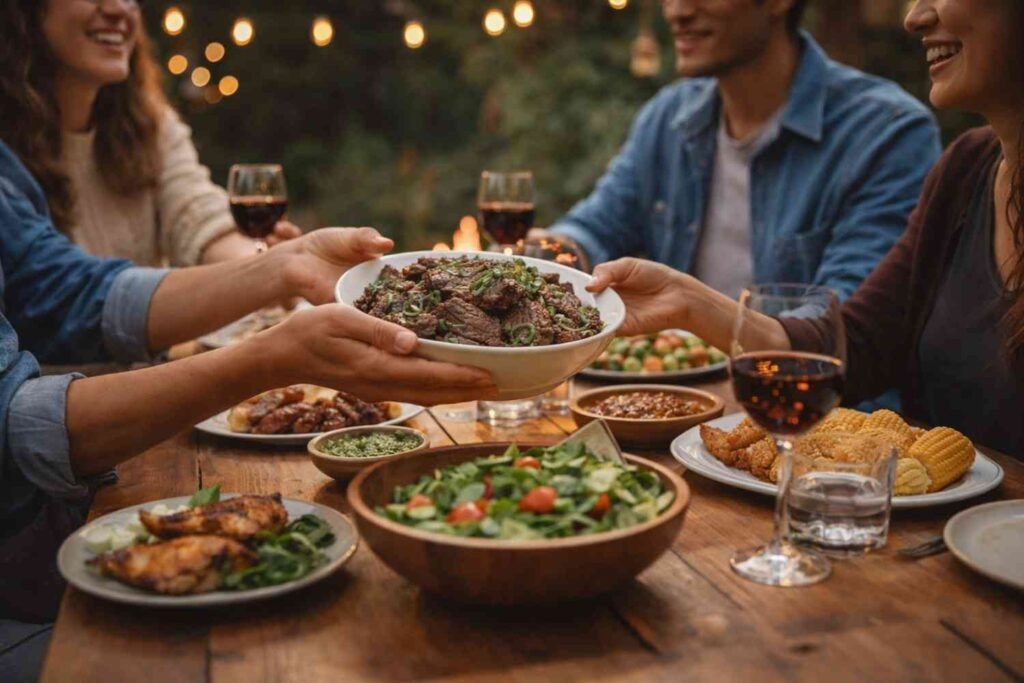
You can visit ten attractions in a day and barely talk to anyone. But sit down for a meal, and conversations start naturally. Food is one of the easiest ways people connect, even if they don’t speak the same language.
Some of the most memorable travel moments happen around food:
- A restaurant owner recommending their favorite dish
- A stranger at a food truck telling you what to order
- A chef explaining how a dish is made
- Sitting at a shared table and talking to other travelers
- Visiting a farmers’ market and talking to vendors
Sharing a meal removes the feeling of being a tourist and replaces it with the feeling of being part of a place, even if only for an hour.
This is why many people now plan trips around food tours, cooking classes, local markets, and regional cuisine instead of just attractions.
Food Travel Feels More Authentic Than Tourist Attractions
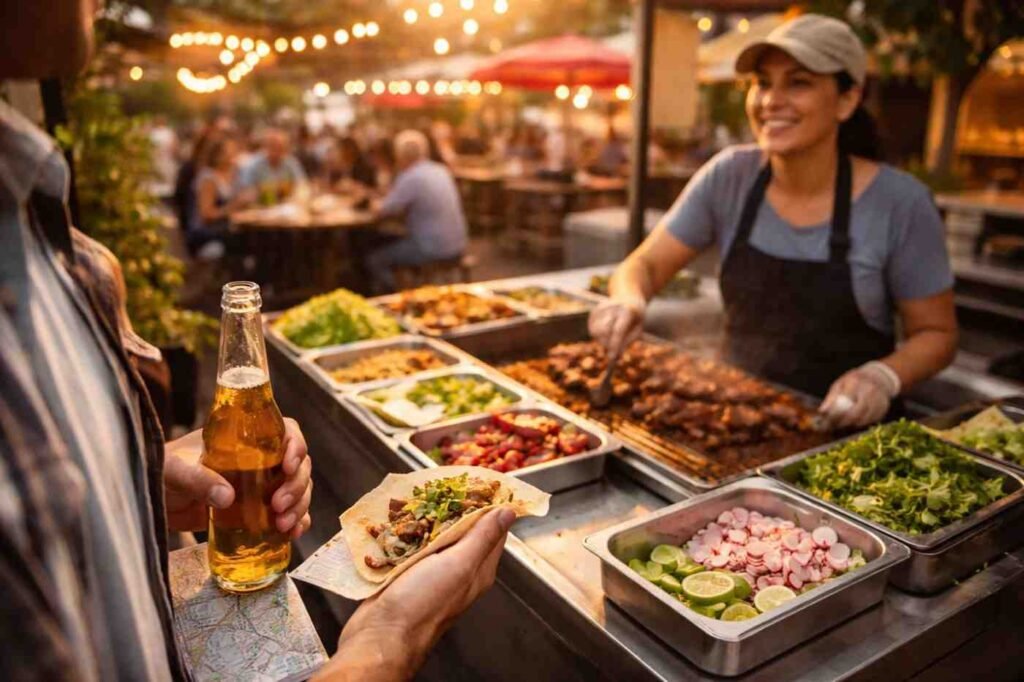
Many famous attractions are crowded, scheduled, ticketed, and predictable. Food travel is often spontaneous. The best meals are rarely the ones planned months in advance. They are usually the places you find by accident or through local recommendations.
Authentic food travel often includes:
- Small family-owned restaurants
- Street food vendors
- Local bakeries
- Farmers markets
- Food festivals
- Neighborhood diners
- Regional specialty restaurants
These places show everyday life, not curated tourist experiences. You see how people actually eat, what ingredients are used locally, and what dishes people grow up eating.
Culinary travel often feels less commercial and more personal compared to traditional sightseeing.
FAQs: What Makes Food Travel Special More Than Sightseeing Ever Could
1. Is food tourism different from regular travel?
Yes, food tourism focuses on experiencing a place through its food, markets, restaurants, and culinary traditions rather than just visiting attractions and landmarks.
2. Why do people travel for food?
People travel for food to experience local culture, try regional cuisine, meet locals, and create memorable travel experiences centered around meals and flavors.
3. What are examples of food travel experiences?
Examples include food tours, cooking classes, visiting farmers’ markets, trying street food, dining at local restaurants, and attending food festivals.
4. Is food travel becoming more popular?
Yes, food travel and culinary tourism are growing because travelers now prefer experiences and cultural immersion rather than only sightseeing.
Final Thoughts
What makes food travel special is not just the food itself but everything that comes with it the people, the stories, the atmosphere, the markets, the late-night meals, the unexpected discoveries, and the conversations at the table. Sightseeing helps you see a place, but food helps you feel a place. It slows travel down, makes experiences more personal, and turns ordinary moments into lasting memories. Long after a trip ends, people rarely remember every landmark they visited, but they almost always remember the best meal they had.
Food turns travel into something more human, more emotional, and more memorable. And that is why for many people, the best part of any trip is not what they saw, but what they ate.