Travel changes when you stop eating just to fill your stomach and start eating to understand where you are. Many people plan trips around landmarks, museums, and famous streets, but the real understanding of a place often happens at a dining table, a street food stall, or a small local café. Food is not just something you consume while traveling. It is something that quietly teaches you how people live, celebrate, work, and spend time with each other.
Some of the most memorable travel moments are not monuments or attractions but meals. A crowded breakfast place, a late-night food truck, a family-run restaurant, or even a grocery store can tell you more about a place than a tour guide. When you start paying attention to food while traveling, you begin to understand places and people in a much deeper way.
Food Tells The History Of A Place
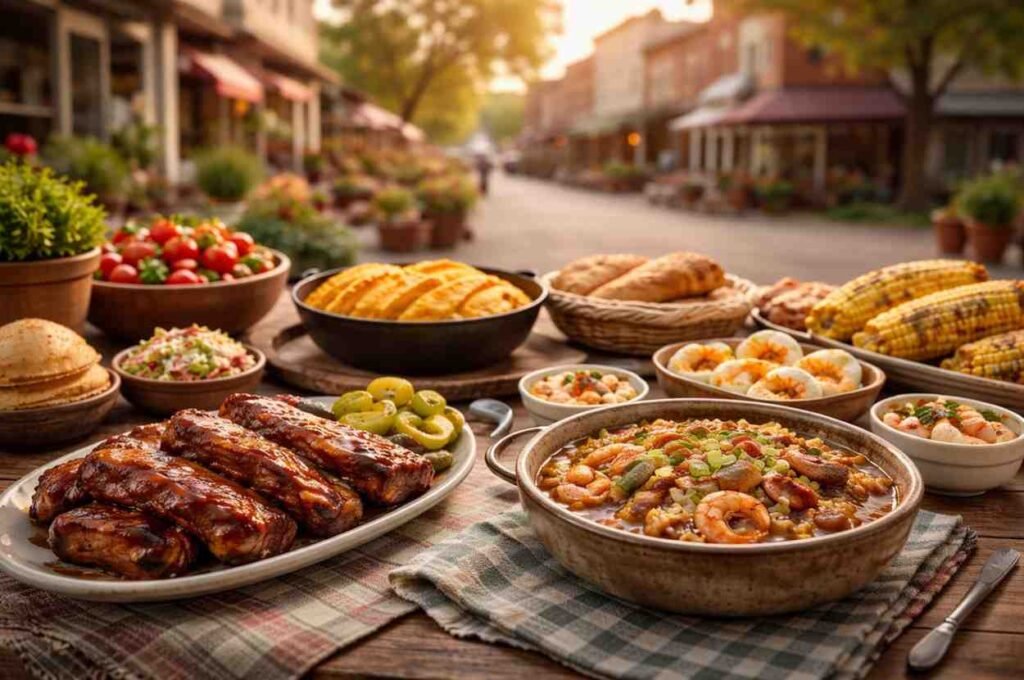
Every traditional dish has a story behind it. Food is shaped by migration, trade, climate, war, and cultural exchange. When you try local food, you are often eating something that has been influenced by hundreds of years of history.
For example, certain regions are known for bread-based meals, others for rice, others for seafood, and others for smoked or preserved foods. These patterns did not happen randomly. They developed because of farming conditions, trade routes, and the availability of ingredients.
Traditional dishes often show:
- Historical trade routes and spices
- Colonial or migration influences
- Farming and agriculture patterns
- Religious or cultural food rules
- Old cooking techniques passed through generations
When you understand why people eat certain foods, you start understanding their history without opening a history book.
Food Shows The Local Lifestyle And Daily Routine
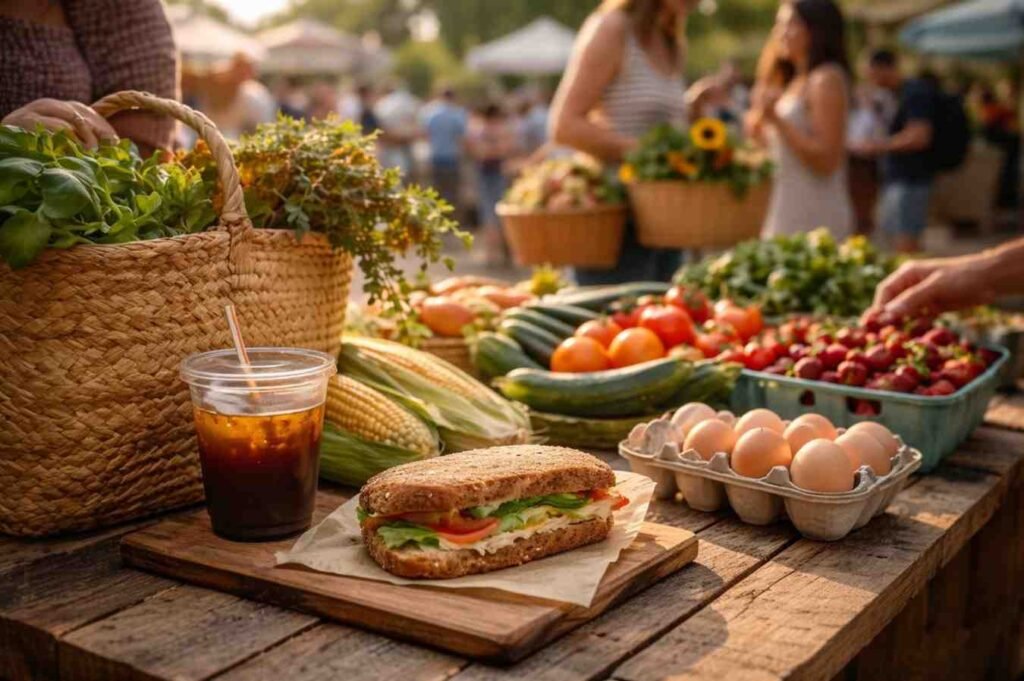
One of the easiest ways to understand how people live is to observe what and when they eat. Breakfast habits, lunch timing, dinner culture, coffee culture, and weekend meals all reveal how daily life works.
In some places, people eat very early dinners. In others, dinner happens late at night. Some cultures eat heavy breakfasts, while others prefer light meals and large dinners. Even portion sizes, takeaway culture, and dining out frequency tell you about work culture, family structure, and lifestyle speed.
If you visit local grocery stores or supermarkets while traveling, you can learn a lot about everyday life:
- What people cook at home
- Popular snacks and packaged foods
- Meal sizes and food habits
- Health trends and diet patterns
- Price of food and cost of living
Understanding everyday food habits gives you a realistic picture of how people actually live, not just how places look in travel photos.
Food Helps You Connect With Local People
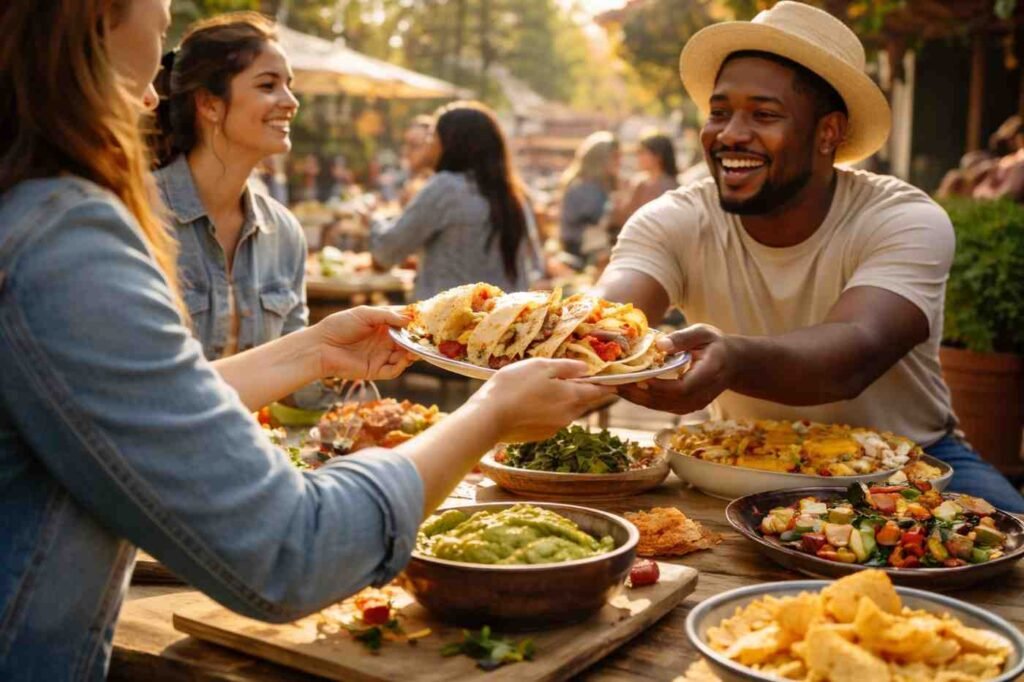
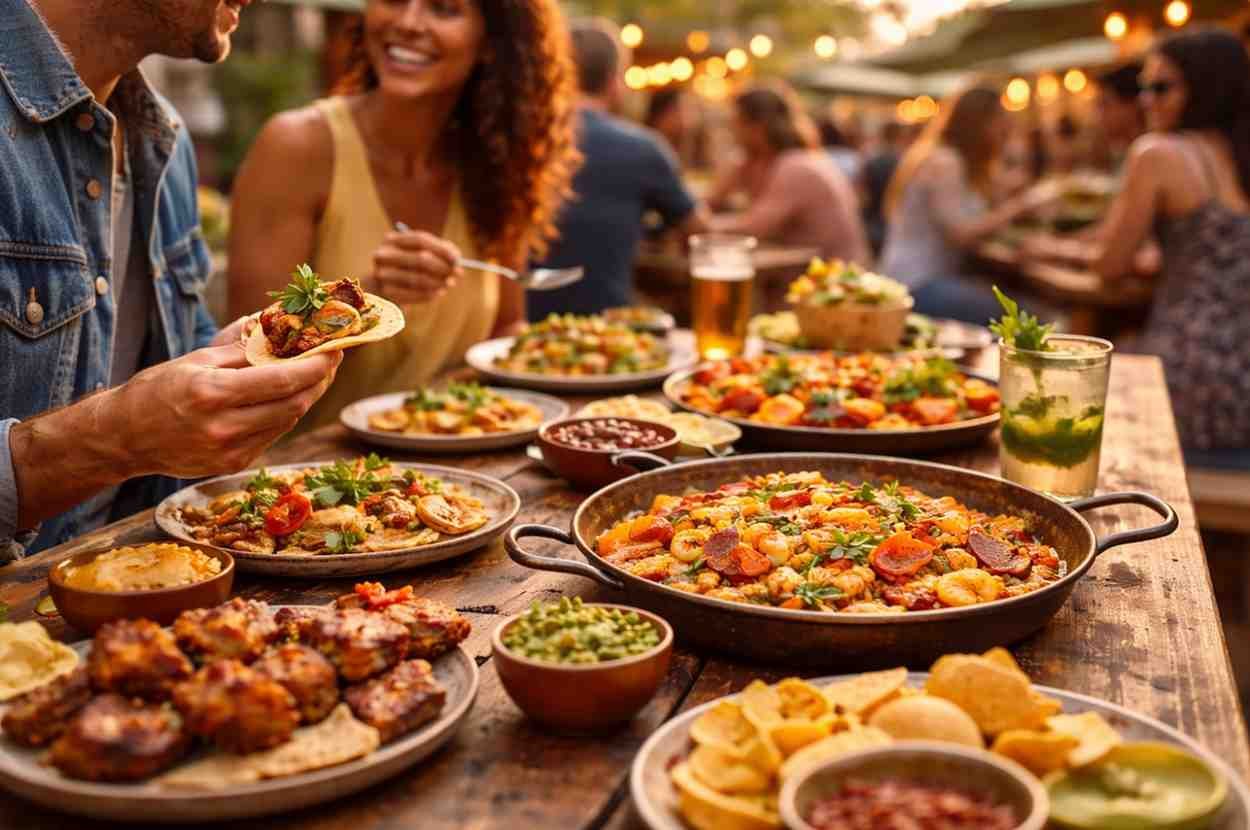
Food is one of the easiest ways to connect with people, even if you do not speak the same language. Sitting at a table, ordering local dishes, asking for recommendations, or talking to restaurant staff often leads to conversations that would never happen otherwise.
Food works like a universal language. People love talking about what they eat, where to eat, and what food they grew up with. Many travelers end up having their best conversations in restaurants, cafés, food markets, or cooking classes.
Food experiences that often create connections include:
- Street food stalls
- Local markets
- Small family restaurants
- Food tours
- Cooking classes
- Coffee shops and bakeries
These places are social spaces, not just eating spaces. This is where you see how people interact, relax, meet friends, and spend time with family.
Local Markets Reveal More Than Tourist Attractions
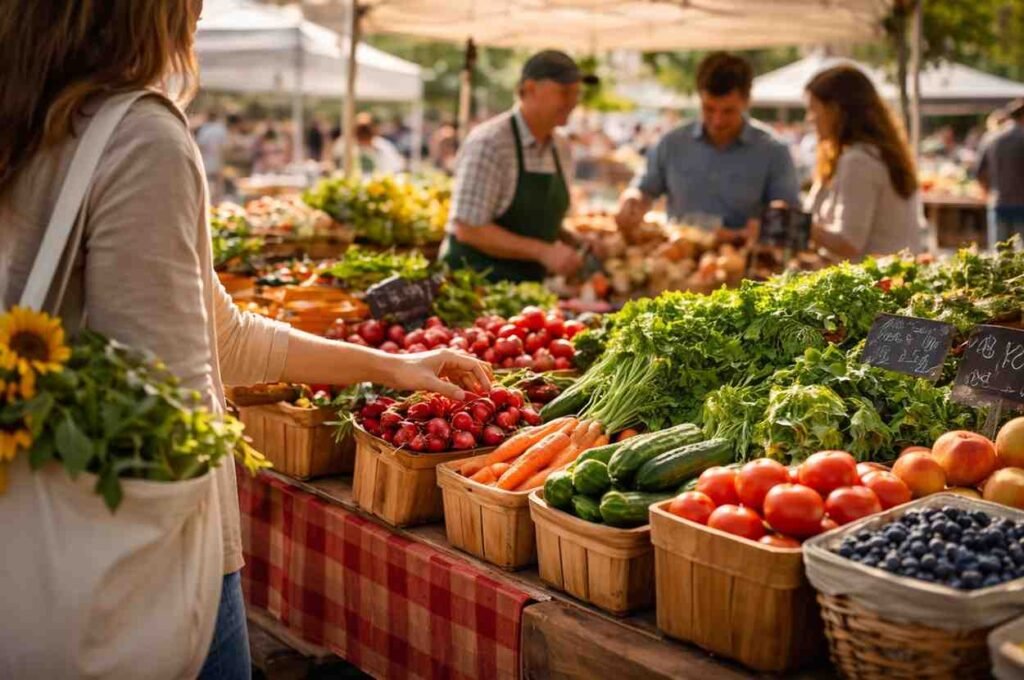
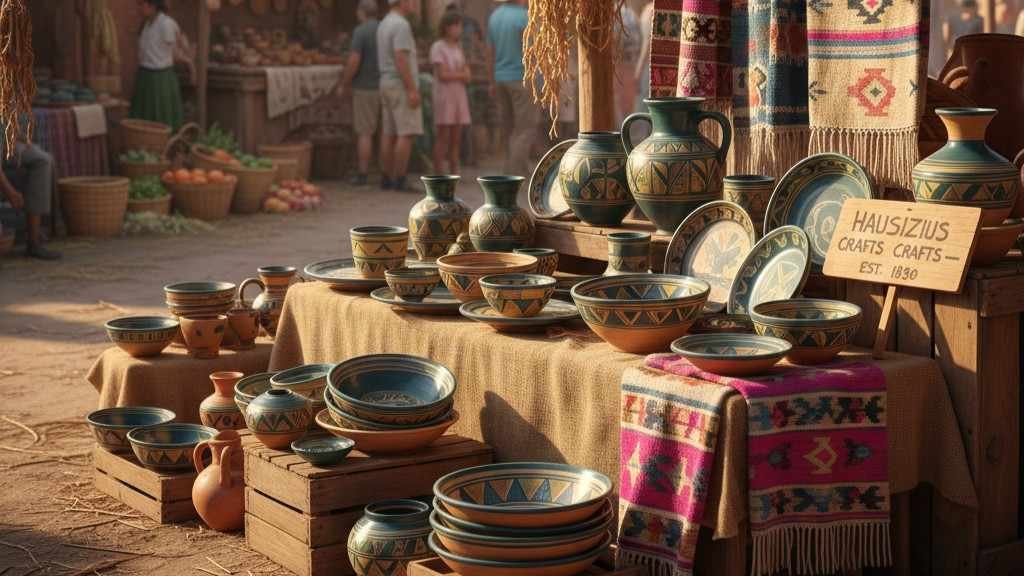
If someone really wants to understand a place, visiting a local food market is more useful than visiting a shopping mall. Markets show what people actually eat, what ingredients are common, and what food is affordable or expensive.
Local markets reveal:
- Seasonal ingredients
- Local fruits and vegetables
- Meat and seafood preferences
- Street food culture
- Daily shopping habits
- Price levels and the local economy
Markets are often noisy, crowded, and full of activity, but they are one of the most honest places to understand local life. You see people buying groceries, talking to vendors, eating quick meals, and living their normal routine.
FAQs: Why Is Food Important In Travel For Understanding Places And People
1. Why is food important in travel experiences?
Food is important in travel because it helps travelers understand culture, lifestyle, traditions, and local people. It also creates memorable experiences and helps travelers connect with places on a deeper level.
2. How does food reflect local culture?
Food reflects local culture through ingredients, cooking methods, traditions, and eating habits. Traditional dishes often represent the history, geography, and cultural values of a place.
3. Why should travelers try local food?
Travelers should try local food to experience authentic culture, support local businesses, meet local people, and create memorable travel experiences.
4. What is food tourism?
Food tourism refers to traveling to explore local cuisine, food markets, traditional dishes, cooking styles, and cultural food experiences of different places.
Final Thoughts
Food is much more than something we eat while traveling. It is one of the easiest and most natural ways to understand people, culture, history, and daily life. You can learn how people spend time with family, what their daily routine looks like, what ingredients grow locally, and what traditions have been passed down for generations just by paying attention to food. Markets, restaurants, cafés, and street food stalls are not just places to eat; they are places where people travel through food culture.
If someone really wants to understand a place and its people, they should start with food, not attractions.