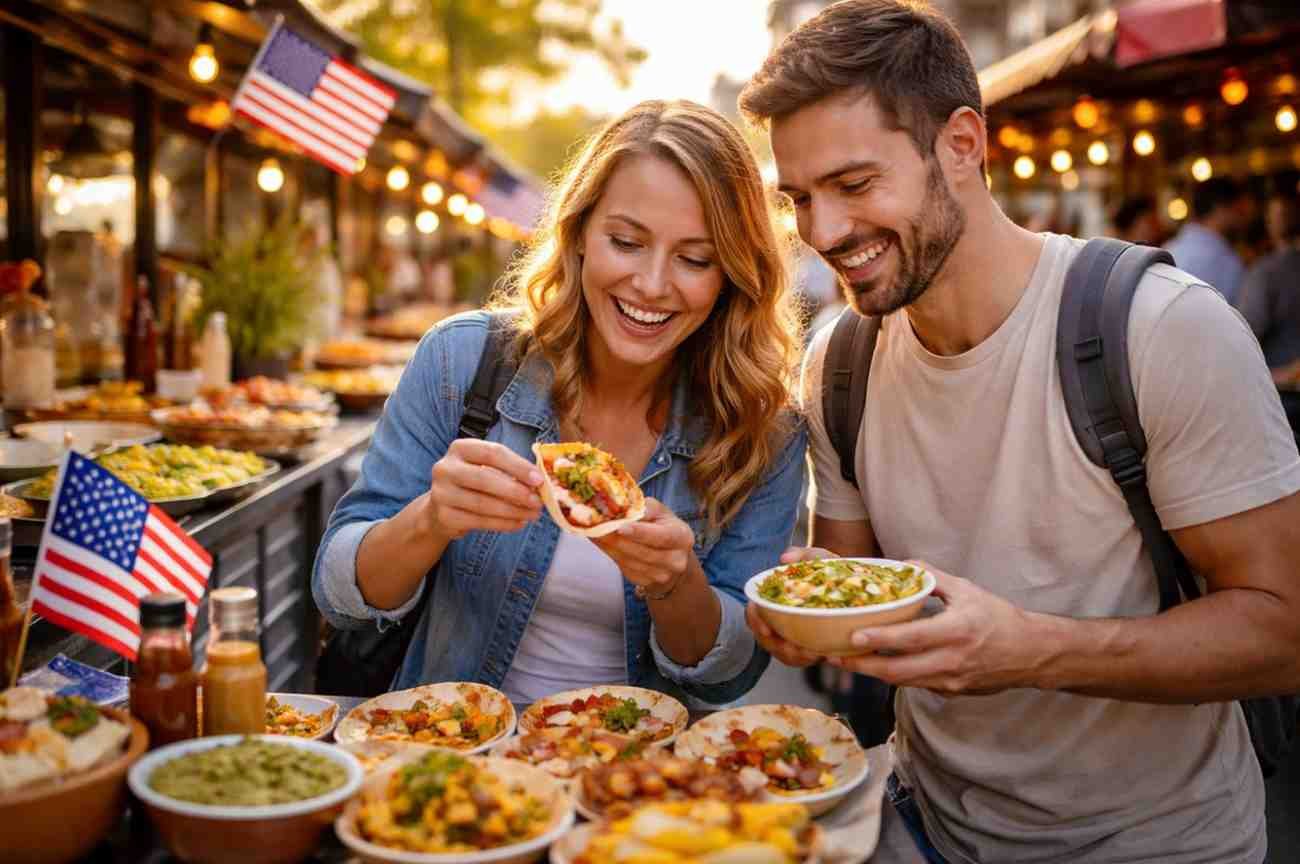
I didn’t really understand food tourism travel until I planned a trip mostly around restaurants instead of attractions. Instead of searching for monuments, I was searching for food markets, local diners, bakeries, and food festivals. That trip felt completely different from any other trip I had taken before. The days were slower, the conversations were longer, and the memories were tied to meals rather than landmarks.
That’s when it becomes clear that food tourism travel isn’t just about eating while traveling. It actually changes how you choose destinations, how you plan your itinerary, where you stay, and even how you interact with locals. Travel becomes less about checking places off a list and more about experiencing a place through its food and culture.
What Is Food Tourism Travel
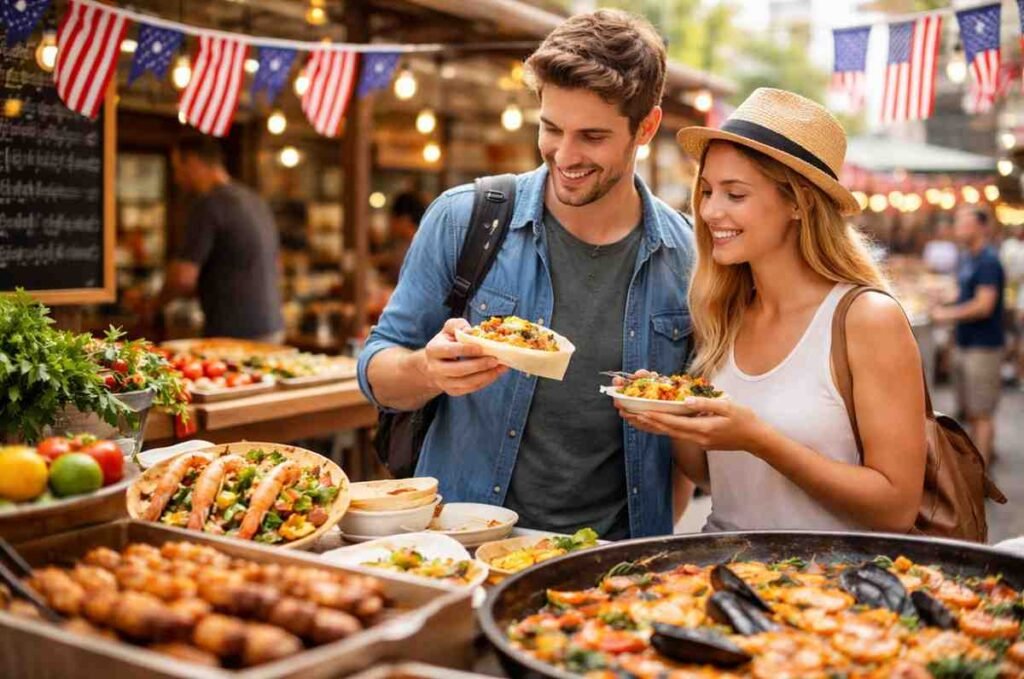
Food tourism travel, also called culinary tourism or gastronomy tourism, refers to traveling to explore a destination’s food and drinks as a main or secondary reason for the trip. Instead of food being just something you do between sightseeing, food becomes part of the travel experience itself.
This includes much more than just restaurants. Food travel experiences often include local markets, street food, cooking classes, food tours, wineries, farms, and food festivals. The idea is to experience the local cuisine and understand the culture through food.
Food reflects history, geography, climate, migration, and traditions. When people travel for food, they are actually learning about a place in a much deeper way than traditional tourism.
Food Tourism Is More Than Just Eating
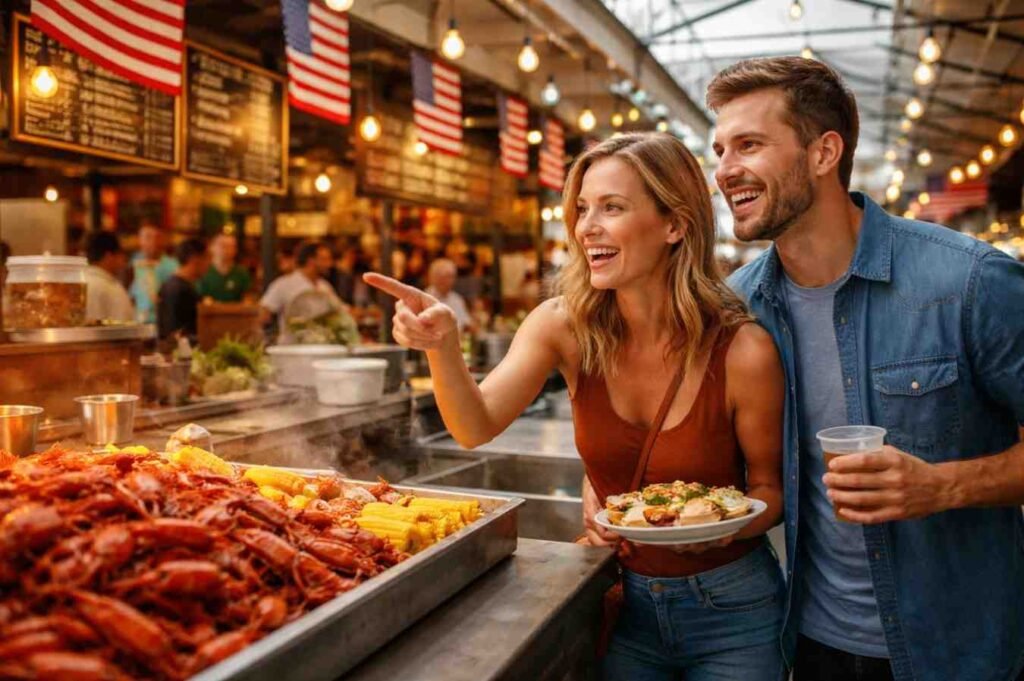
Many people think food tourism simply means trying famous dishes in different cities. But real culinary travel is more immersive than that. It often includes experiences like:
- Taking a cooking class and learning traditional recipes
- Visiting farmers’ markets and talking to local vendors
- Going on guided food tours
- Visiting wineries, breweries, or chocolate factories
- Attending food festivals
- Eating at small local restaurants instead of chains
These local food experiences help travelers understand how people live, what ingredients are common, and how food traditions developed over time.
This is why food tourism is often connected with cultural travel and experiential travel rather than traditional sightseeing travel.
How Food Tourism Travel Changes The Way You Travel
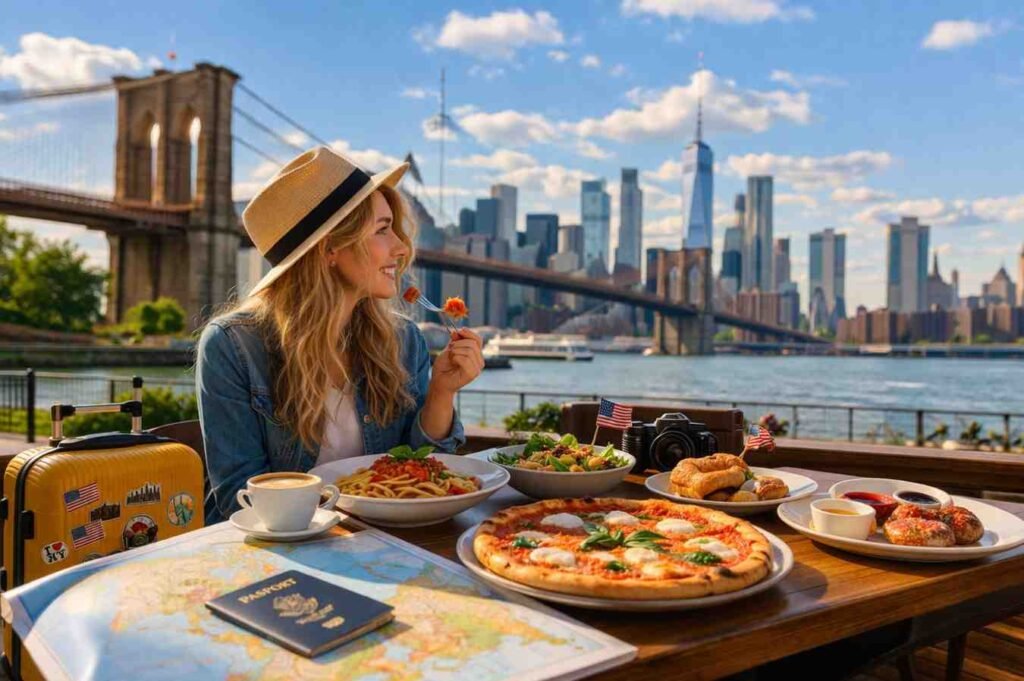
Food tourism travel has changed travel behavior in many ways. People no longer just choose destinations based on landmarks or beaches. Many people now choose destinations based on food culture, famous restaurants, or food festivals.
Travel Planning Changes Completely
Instead of planning trips like:
Museum → Monument → Shopping → Restaurant
Food travelers plan trips like:
Food market → Bakery → Food tour → Cooking class → Local restaurant → Food festival
Food becomes part of the itinerary, not just something you do when you’re hungry.
Travelers Explore Local Neighborhoods
Food tourism pushes travelers away from tourist areas into local neighborhoods where the best food often exists. Small restaurants, family-run cafes, and street food vendors are usually not located near major tourist attractions.
This leads to more authentic travel experiences and more interaction with locals.
Travel Becomes Slower And More Experiential
Food tourism naturally supports slow travel. Instead of rushing to see many attractions in one day, travelers spend more time in fewer places, focusing on experiences rather than sightseeing.
A typical food travel day might include:
- Morning coffee at a local café
- Visiting a farmers’ market
- Afternoon food tour
- Evening restaurant reservation
- Dessert or bakery visit at night
The day revolves around experiences rather than attractions.
The Cultural Side Of Food Travel
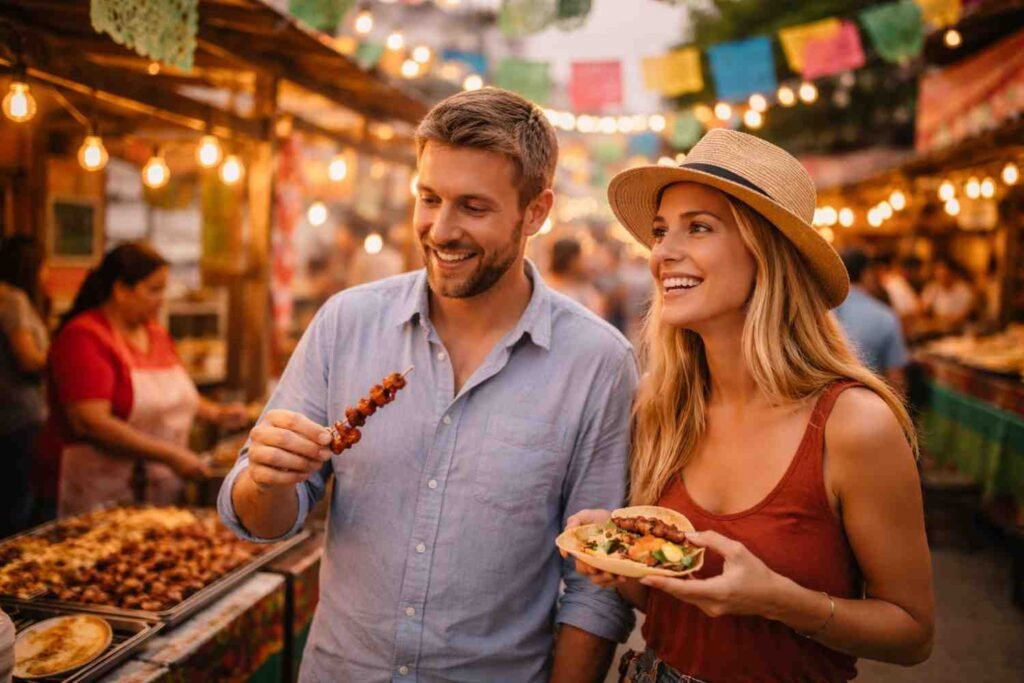
Food is deeply connected to culture. Every dish has a story behind it — migration, farming practices, climate, traditions, and family history. When travelers explore local cuisine, they are also learning about the people and history of that place.
Food also creates interaction. When you eat at small restaurants, talk to chefs, join cooking classes, or visit markets, you naturally interact with locals more than traditional tourists do.
This makes food tourism travel more social, immersive, and memorable compared to normal travel, where people mostly visit attractions and take photos.
Types Of Food Travelers
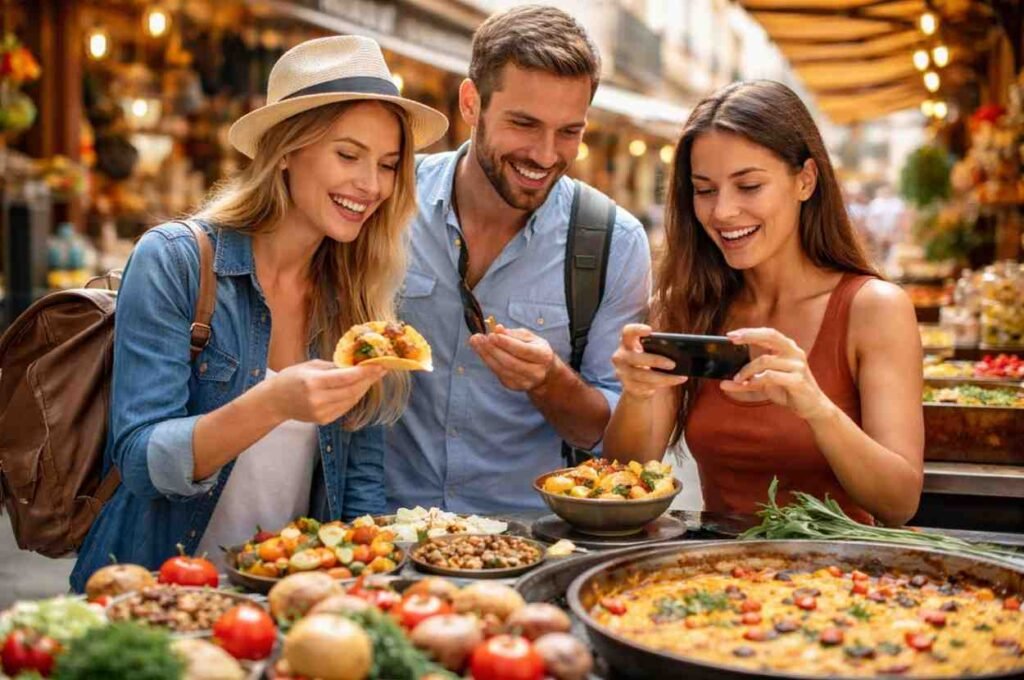
Not everyone travels for food in the same way. Different travelers are motivated by different food experiences.
Common Types Of Food Tourists
- The Fine Dining Traveler – Travels for famous chefs and restaurants
- The Street Food Explorer – Loves markets, food trucks, and local stalls
- The Cultural Traveler – Uses food to understand culture and traditions
- The Adventure Eater – Wants to try unusual or new foods
- The Farm-To-Table Traveler – Interested in organic farms, local ingredients, and sustainable food
Most people discover local food spots and fall somewhere between these categories, and combine multiple food travel experiences in one trip.
FAQs: What Is Food Tourism Travel, And How It Changes The Way You Travel
1. What Is Food Tourism Travel In Simple Words
Food tourism travel means traveling to experience a place through its food, restaurants, markets, cooking classes, and food culture rather than only sightseeing.
2. Is Food Tourism The Same As Culinary Tourism
Yes, food tourism, culinary tourism, and gastronomy tourism all refer to traveling to explore local food and drink experiences.
3. What Are Examples Of Food Tourism Activities
Food tourism activities include food tours, cooking classes, visiting markets, wine tasting, brewery tours, farm visits, and attending food festivals.
4. Why Is Food Tourism Becoming Popular
Food tourism is becoming popular because travelers now prefer experiences, local culture, and authentic travel instead of traditional sightseeing.
Final Thoughts
Food tourism travel has quietly changed how people see the world. Travel is no longer just about landmarks, attractions, and photos. It has become more about experiences, culture, people, and memories. Food naturally connects all of these things. When people travel for food, they explore neighborhoods instead of tourist zones, talk to locals instead of guides, and remember meals instead of monuments. Travel becomes slower, more meaningful, and more personal.
In many ways, food tourism doesn’t just change what you eat when you travel.
It changes how you travel completely.