

Walking—it’s one of the easiest, most accessible exercises, and yet, people often overlook it when thinking about weight loss. But here’s the truth: walking is not just a low-impact activity; it’s an effective way to lose weight, reduce belly fat, and boost overall fitness. If you’re wondering if walking really works for weight loss, the answer is yes—when done consistently and with purpose.
I used to believe that losing weight meant intense workouts, diet fads, or hours at the gym. But it wasn’t until I decided to give walking a serious shot that I realized just how transformative something so simple could be.
In this article, I will walk you through the science behind walking for weight loss, how much walking you should aim for, how to maximize the calorie burn, and why walking should be a part of your daily routine.
The Science Behind Walking and Weight Loss
When it comes to weight loss, creating a calorie deficit is essential. Simply put, to lose weight, you need to burn more calories than you consume. Walking helps by increasing the number of calories you burn each day.
- Brisk walking at a moderate pace can burn around 100–200 calories in 30 minutes, depending on your weight, walking speed, and intensity. This adds up over time, especially if you make walking a daily habit.
- Walking increases heart rate and boosts fat oxidation, which means it helps your body burn stored fat, especially in areas like the belly, thighs, and hips.
- Walking is low-impact, making it an excellent choice for people of all fitness levels and ages, without the risk of injury that can come with high-impact exercises.

The Benefits of Walking for Weight Loss:
- Burns calories without needing intense workouts.
- Preserves lean muscle mass, helping you avoid losing muscle along with fat.
- Reduces visceral fat (the fat around your organs), which is linked to chronic health issues like heart disease.
How Much Walking Should You Do for Weight Loss?
While general health guidelines recommend 150 minutes of moderate-intensity exercise per week, significant weight loss typically requires more.
Daily Walking Goal:
To see noticeable weight loss results, aim for:
- 45–60 minutes of brisk walking most days of the week.
- Alternatively, aim for 200–300 minutes per week (about 3 to 5 hours total).
Steps to Take for Effective Weight Loss:
- 8,000 to 12,000 steps per day is a common goal for those actively trying to lose weight. Increasing your daily step count by just a few hundred steps each week can lead to steady weight loss.
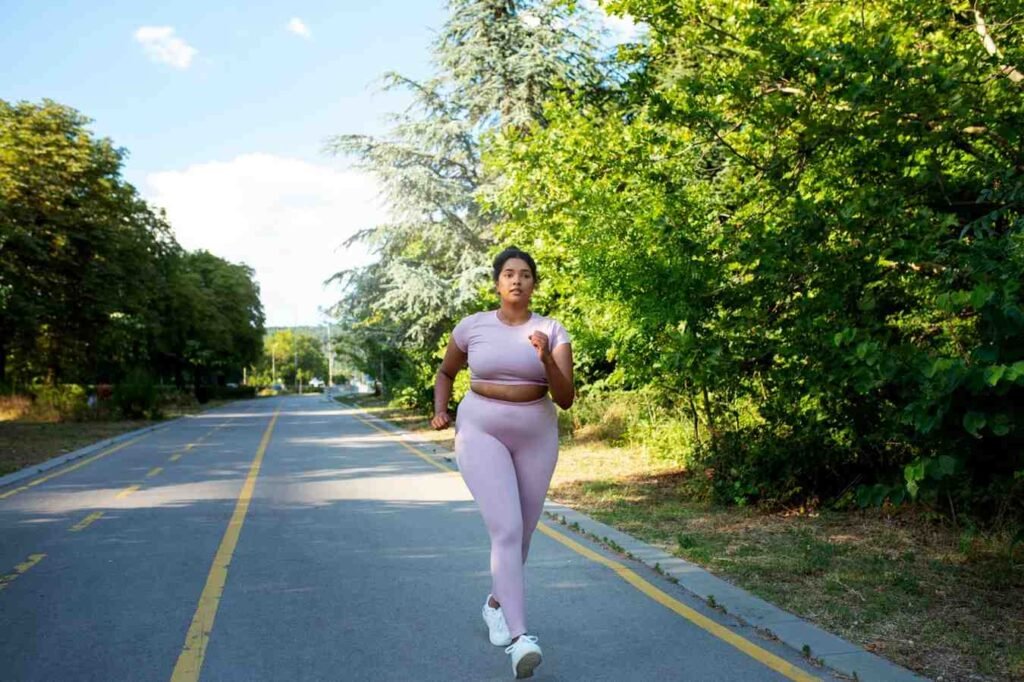
Maximizing the Effectiveness of Your Walks
If you want to accelerate weight loss, simply walking at a comfortable pace won’t be enough. To burn more calories and shed fat, you need to increase the intensity of your walks.
1. Brisk Walking: The Key to More Calories Burned
To burn more calories, focus on walking at a brisk pace, where your heart rate is elevated, and you’re breathing faster. Ideally, you should be able to talk but not sing. This pace usually ranges from 3.5 to 4.5 miles per hour.
2. Incline Walking: Add Hills to Burn More Fat
Walking on an incline (whether outdoors on a hill or using a treadmill with an incline) can boost calorie burn by up to 60–70% compared to flat walking. It engages your glutes, hamstrings, and calves more effectively and provides a full-body workout.
3. Interval Training: Walking with a Twist
To further increase the intensity, consider interval walking:
- Walk briskly for 1–2 minutes, then slow your pace for 2 minutes.
- Repeat this for the duration of your walk. This method keeps your body burning calories even after the walk is over, thanks to the afterburn effect.
4. Weighted Walking: Resistance for Extra Burn
Wearing a weighted vest (about 5–10% of your body weight) or ankle weights while walking can increase the resistance and boost the number of calories you burn. This adds more intensity to your walk without having to change your routine much.
5. Post-Meal Walks: A Smart Strategy for Fat Loss
Walking 15–30 minutes after meals can stabilize blood sugar and improve digestion. Research shows that walking after eating can help regulate blood sugar levels, making it more effective for fat loss compared to waiting a few hours.
The Role of Diet in Walking and Weight Loss
While walking plays a significant role in burning calories, diet is equally important. Weight loss is best achieved when you combine exercise with a calorie-controlled diet.
Here’s how you can optimize your diet for weight loss while walking:
- Eat More Whole Foods: Focus on lean proteins, vegetables, whole grains, and healthy fats.
- Watch Your Portion Sizes: Even healthy foods can lead to weight gain if consumed in excess. Pay attention to portion sizes and avoid overeating.
- Limit Sugary Foods and Drinks: Cut back on processed sugars and refined carbs, which can lead to weight gain and increased belly fat.
Remember, walking can help you burn calories, but the calories you consume matter just as much. To see real results, aim for a balanced, nutrient-rich diet that supports your walking routine.
Frequently Asked Questions
1. Can walking reduce belly fat?
Yes! Walking, especially brisk walking, can help reduce visceral fat (the fat stored around your organs), including belly fat. By walking consistently and combining it with a healthy diet, you’ll gradually lose fat from your stomach area.
2. How many steps should I walk per day to lose weight?
Aim for 8,000 to 12,000 steps per day for noticeable weight loss. Increasing your step count gradually helps keep you active and contributes to a higher calorie burn.
3. How long does it take to lose weight by walking?
You may start seeing noticeable weight loss in about 4–6 weeks if you maintain a consistent walking routine and eat a calorie-controlled diet. Results may vary based on individual factors like metabolism, body composition, and diet.
4. Can I just walk and not change my diet?
Walking can certainly help with weight loss, but combining it with a healthy, calorie-controlled diet will accelerate your results. A well-balanced diet is essential for creating the calorie deficit needed for significant weight loss.
Walking Your Way to Weight Loss
Does walking help lose weight? Absolutely. Walking is not only effective for burning calories, but it’s also a sustainable, low-impact exercise that anyone can incorporate into their daily life. By walking consistently, increasing the intensity, and pairing it with a healthy diet, you can create a calorie deficit and achieve your weight loss goals over time.
Start walking today, set clear goals, and track your progress. You might be surprised at just how powerful this simple exercise can be.