A house can feel off long before a homeowner finds the cause. One room may stay warm, another may cool too fast, and the air may feel harder to control. In Houston, attic conditions can play a major role in those daily problems.
Many homeowners start to question the attic insulation amount in Houston when they begin to compare project costs for their homes. A weak attic barrier can affect comfort, raise energy bills, and place extra stress on cooling equipment. This article explains the signs that point to poor attic insulation and why they deserve attention.
High Energy Bills With No Clear Reason

Energy bills can rise when attic insulation no longer does its job well. Heat enters the home faster, and cooled air escapes with less resistance. These warning signs can help homeowners spot that issue.
- Utility costs climb even when daily habits stay about the same
- The air conditioner runs for longer periods during normal weather
- The home cools down slowly after the thermostat is lowered
- Monthly bills stay high without a clear household change
Uneven Temperatures Between Rooms
A house with poor attic insulation may feel balanced in one area and uncomfortable in another. Upper rooms may hold heat, while other parts of the home feel cooler or less stable. That contrast can point to weak insulation above the ceiling.
This problem can affect bedrooms, hallways, and family spaces during long, hot months in Houston. People may adjust the thermostat again and again without much relief. Better attic coverage can help create a steadier temperature across the house.
Excess Heat Near the Ceiling and Attic

Some signs appear inside the home in Houston before anyone climbs into the attic. Warm ceilings, stuffy upper rooms, and trapped heat near attic access points can all signal a problem. The list below shows common clues.
- The ceiling still feels warm late in the evening
- Upper bedrooms remain hot after the sun goes down
- Air near the attic hatch feels stale or trapped
- The second floor feels warmer than the first floor
Constant Strain on the HVAC System
An HVAC system should not have to work all day just to keep the house comfortable. When attic insulation falls short, indoor temperatures can rise fast and force longer cooling cycles. That extra strain can wear down the system over time.
Homeowners who compare attic insulation amounts in Houston may also consider how poor insulation can increase strain on their cooling system. The unit may stay active, yet parts of the home still feel warm. A stronger insulation layer can help reduce stress on the equipment.
Insulation Looks Thin, Flat, or Damaged
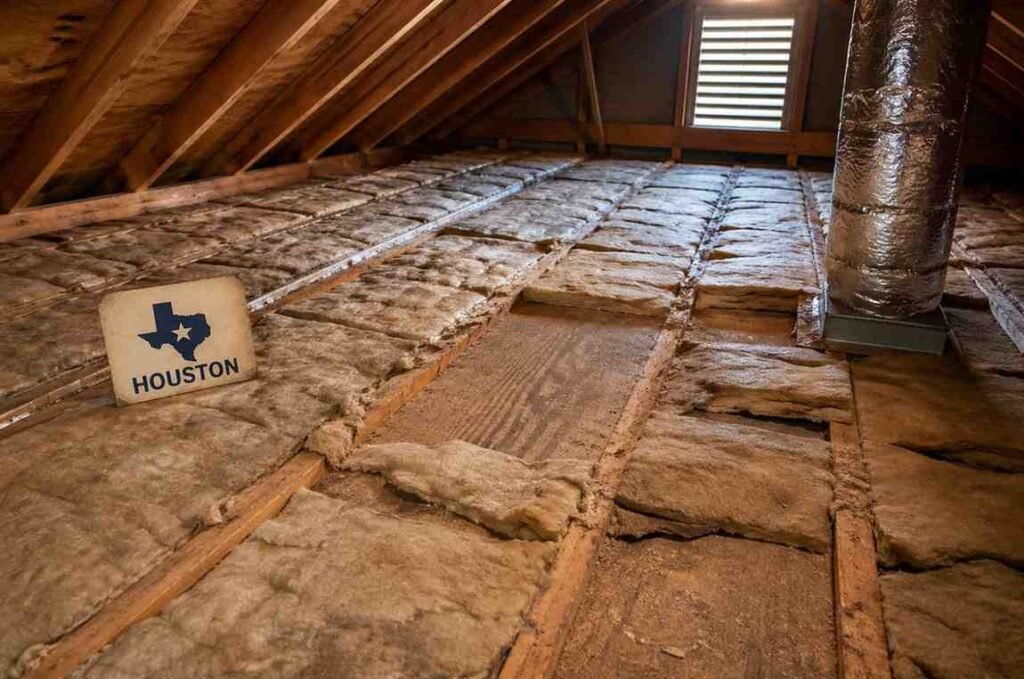
A visual check can reveal attic insulation that no longer offers reliable protection. Older material may look compressed, patchy, dirty, or uneven across the attic floor. Any of those signs can reduce the barrier between attic heat and the living space.
A qualified insulation expert in Houston can assess the attic and explain whether the material still provides proper coverage. They can also spot moisture damage, pest issues, and weak areas that may go unnoticed during a basic visual check. That guidance helps homeowners decide if the attic needs added insulation or a full replacement.
Poor attic insulation can affect comfort, energy use, benefits of using outdoor sauna, and cooling performance in ways that are hard to ignore. High bills, uneven rooms, attic heat, and worn material all point to a need for closer review during long periods of summer heat. For homeowners in Houston, better attic insulation can support lower costs, steadier comfort, and stronger home performance.