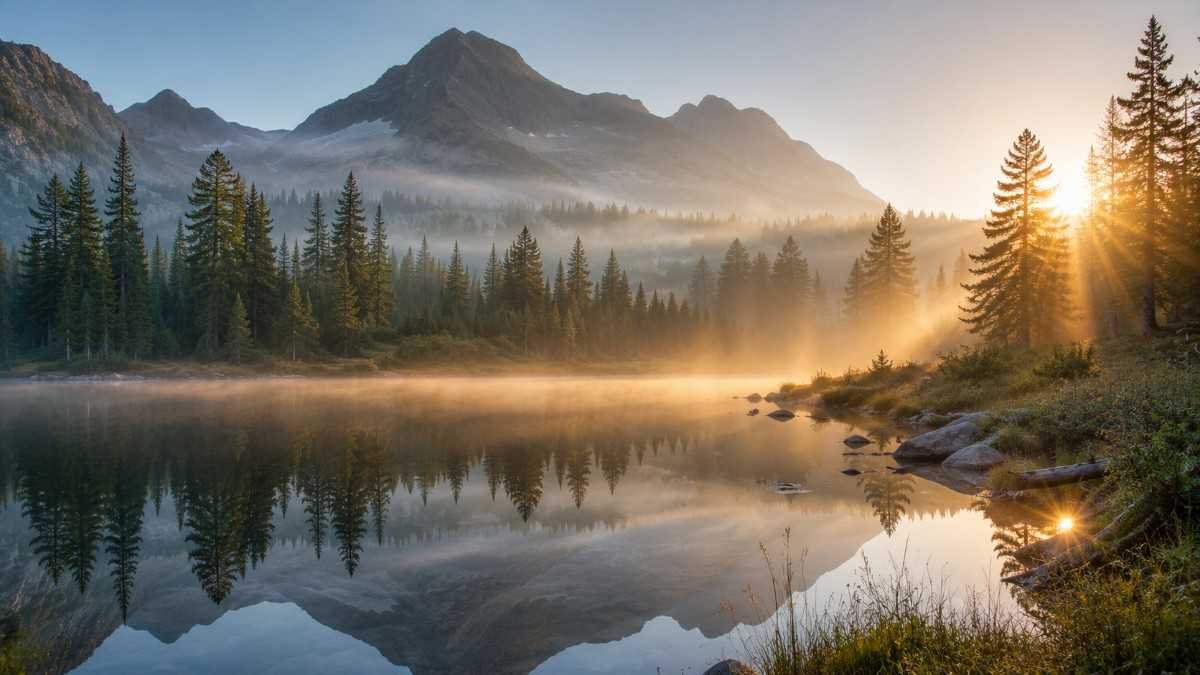
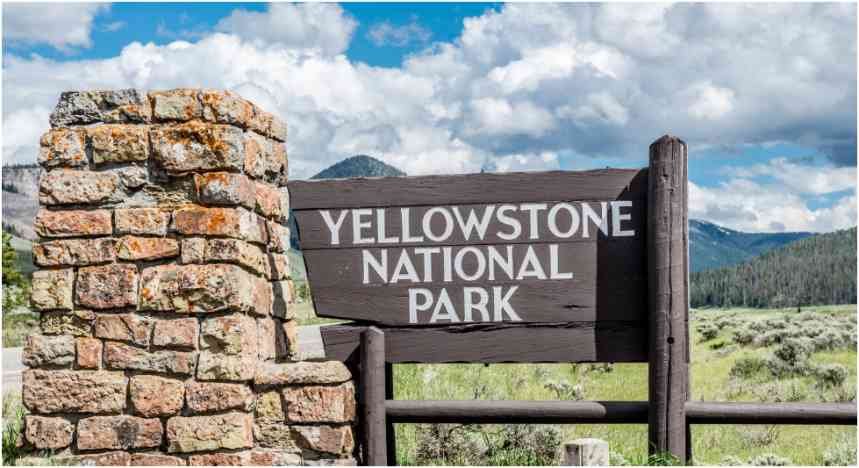
Most travelers arrive at Yellowstone with a long checklist and a tight schedule, hoping to capture every famous sight in as little time as possible. The visitors who leave with the deepest memories almost always discover that the opposite approach reveals what the park truly has to offer.
The Modern Pressure to See It All
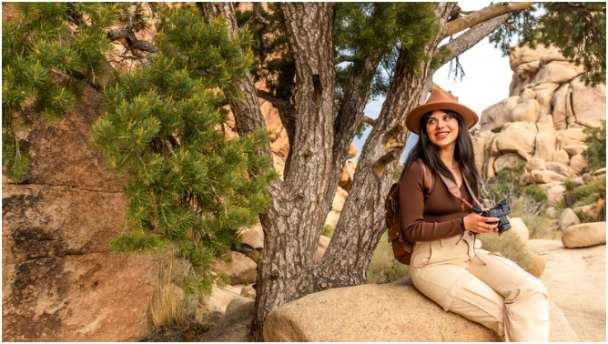
Travel has become increasingly transactional, with social media driving travelers to collect destinations the way collectors gather rare coins. This pressure shapes how most people experience even the most extraordinary places, often at the expense of the experiences they came to find.
The Checklist Mindset
First-time visitors to large national parks often arrive with detailed itineraries listing every famous feature they want to photograph. They race from Old Faithful to Grand Prismatic Spring to the Grand Canyon of the Yellowstone, snapping pictures and moving on.
By the end of the day, they have visited many places but truly experienced none of them. The photos look great, yet something essential feels missing from the memories that develop in the weeks afterward.
The Cost of Constant Motion
Every hour spent rushing between destinations is an hour lost to traffic, parking searches, and the mental fatigue of constant transition.
Visitors often arrive home exhausted rather than restored, wondering why the trip they planned for months felt more like a marathon than a vacation. The real cost is not just physical fatigue but the missed opportunities for the moments that turn an ordinary visit into a meaningful one.
What Slowing Down Actually Looks Like
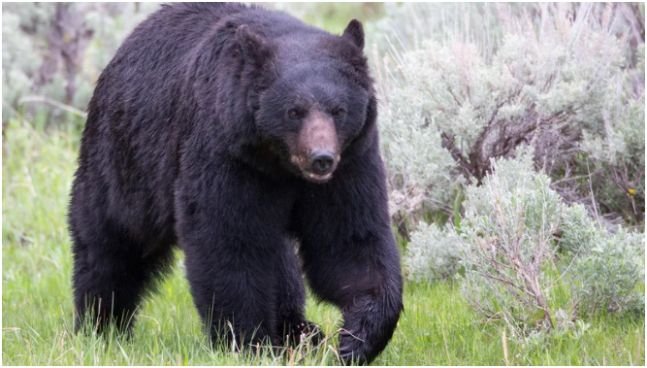
Slowing down does not mean accomplishing less. It means choosing presence over coverage and depth over breadth. The shift requires intentional planning and a willingness to release the fear of missing something else.
Spending Hours Where Others Spend Minutes
A geyser basin contains far more than a single famous eruption. Visitors who spend three hours at Old Faithful instead of thirty minutes witness multiple eruptions of nearby geysers, observe how steam patterns change as wind shifts, and notice the subtle colors in surrounding hot springs that hurried visitors walk right past.
The same principle applies everywhere in the park. Time invested in one location nearly always reveals layers invisible to those rushing through.
Walking Instead of Driving
Most park visitors experience the landscape almost entirely from their vehicles, stepping out briefly for photos before climbing back in and continuing. A short walk down any of the dozens of accessible trails reveals an entirely different park, where wildflowers, bird songs, and the smell of pine replace the rumble of traffic.
Yellowstone National Park tours led by experienced guides often emphasize these slower-paced explorations, taking small groups along less-crowded paths where the landscape unfolds in ways no roadside pullout can match.
Watching Wildlife Patiently
Wildlife viewing rewards patience more than any other park activity. Travelers who pull over for thirty seconds when they see a distant elk and then drive on miss the herd’s movements, the predator-prey dynamics unfolding nearby, and the bird and mammal activity surrounding the larger animal. Those who park, set up chairs, and simply watch for an hour often witness scenes that become the stories they tell for years afterward.
The Discoveries That Only Time Reveals
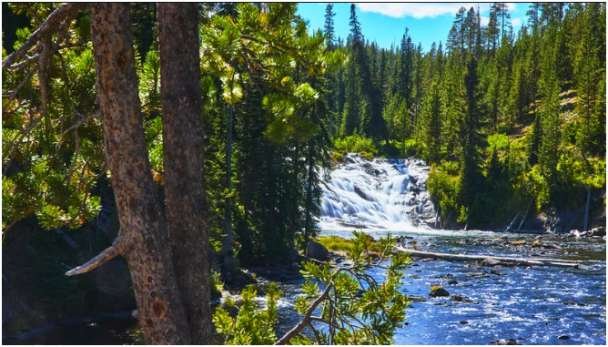
Some of the most rewarding aspects of natural places cannot be rushed infact most of the tourists love exploring after the sun goes down. They require the kind of attention that emerges only when travelers release their schedules and let the landscape speak on its own timeline.
Recognizing the Park’s Rhythms
The park breathes through cycles that hurried visitors never notice. Light shifts dramatically across the day, with morning, midday, and evening each revealing different colors in the same landscape. Wildlife follows schedules influenced by temperature, hunger, and predators, becoming active and inactive at specific times.
Visitors who spend multiple days in the same area begin sensing these rhythms, anticipating where to look and when, and finding themselves rewarded with sightings that feel almost like privileges.
Noticing the Small Wonders
A patch of wildflowers, a stream cutting through a meadow, the sound of wind moving through aspen leaves, or the smell of sulfur near a thermal feature all contribute to a place’s character. These small wonders only register for visitors who stop generating mental noise and start receiving sensory input.
The famous landmarks remain impressive, but the small wonders are often what visitors remember most vividly years later.
Conversations With Locals and Fellow Travelers
Slower travel creates space for conversations with rangers, guides, and other visitors who have spent years exploring the same landscapes.
These exchanges produce recommendations, stories, and perspectives that no guidebook can match. A casual chat at a trailhead often points visitors toward experiences they would never have discovered through standard research.
How to Build a Slower Trip Without Missing Out
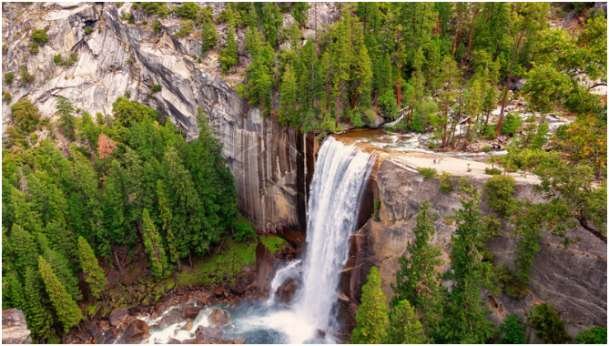
Slowing down does not require abandoning planning. It requires planning differently, with margin for spontaneity and prioritization of depth over coverage.
Choose Fewer Destinations Per Day
Rather than scheduling four major sights in a single day, choose one or two and give them the time they deserve. The remaining sights will still be there for another trip, and the experiences you do have will be richer for the focus they receive. This shift alone transforms how most visitors feel about their vacation.
Build Buffer Time Into Every Plan
Unexpected wildlife sightings, sudden weather changes, and serendipitous discoveries all derail tight schedules. Buffer time absorbs these surprises and turns them into opportunities rather than frustrations. A morning that includes ninety minutes of unplanned time often produces the day’s best memories simply because there was space for them to happen.
Embrace Returning to the Same Spot
Visiting the same location at different times of day reveals how dramatically light, weather, and wildlife activity can transform an experience. A geyser basin at dawn feels nothing like the same basin at midday or sunset. Visitors who plan to return to favorite spots rather than checking them off and moving on often discover that the second or third visit far surpasses the first.
Conclusion
Slowing down transforms a national park trip from a hurried collection of photographs into a genuine adventure that leaves lasting marks on those who experience it fully. Traveling with experienced guides is one of the habits nature lovers have in common who understand the value of patience and presence can help you discover the deeper rewards that fast-moving visitors never have the chance to find.