The Real Decision Is Not “Repair or Replace” — It’s Whether the System Still Fits the Home
A water heater usually gets attention only when it starts failing. By then, the conversation feels urgent, but the best decisions are rarely made in a rush.
The smarter question is not simply whether the tank still produces hot water. It’s whether the unit is still reliable, efficient, and appropriate for the household’s actual usage pattern.
That is where water heater installation in Herriman and throughout the Salt Lake Valley becomes more than a search term.
It reflects a practical decision point: do you keep investing in an aging system, or do you replace it with one that better suits the home’s demand, water conditions, and long-term maintenance needs? For many homeowners, the answer depends less on brand loyalty and more on the hidden costs of delay.
1st American Plumbing approaches that decision conservatively. The value is not in pushing replacement for its own sake, but in identifying when a repair is sensible and when a new installation is the more disciplined choice.
That distinction matters because the wrong call can create repeat service visits, avoidable leaks, and higher operating stress on the entire plumbing system.
Why Water Heaters Fail in Ways Homeowners Often Misread
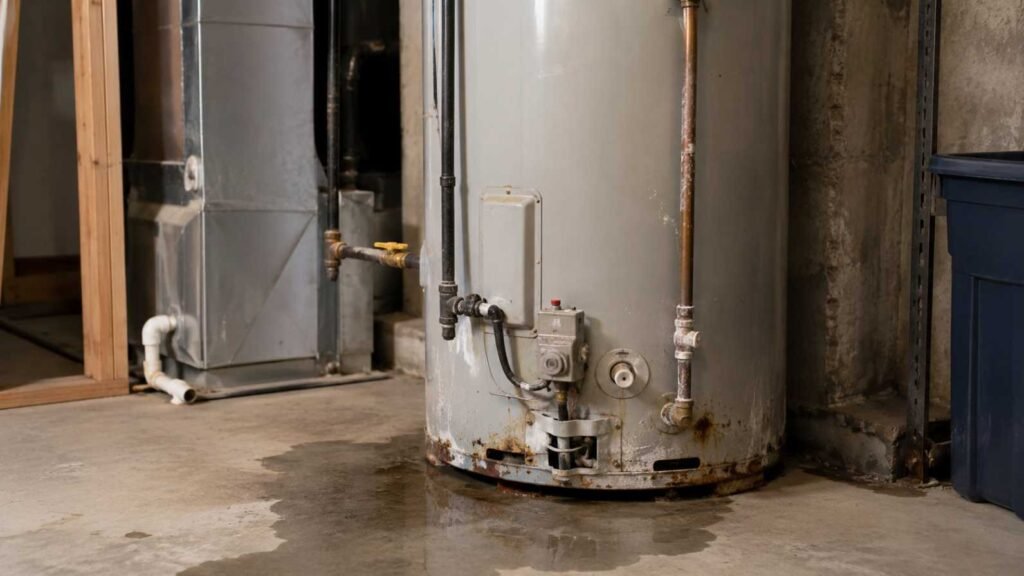
Water heaters don’t usually fail all at once. They degrade in layers. Heat transfer becomes less efficient, sediment builds up, valves wear, and corrosion begins long before the tank gives out completely. From the outside, the unit may still look functional. Inside, though, performance is often slipping.
In Utah homes, hard water makes this progression more pronounced. Mineral content accelerates sediment accumulation, which can reduce heating efficiency and force the system to work harder. Over time, that added strain can shorten service life and make temperature consistency worse.
Sediment flushing is not a cosmetic maintenance step; it is one of the few interventions that directly addresses a common regional problem.
A homeowner may notice subtle signs first:
- Hot water runs out sooner than it used to.
- The unit makes popping or rumbling sounds.
- Water temperature changes unpredictably.
- Rusty or discolored water appears at fixtures.
- Small leaks develop around fittings or the base.
These symptoms don’t automatically mean replacement is required. But they do mean the system needs a closer look. 1st American Plumbing helps homeowners separate manageable maintenance from a unit that is already past the point of efficient repair.
The Hidden Cost of “One More Repair”
A single repair can be perfectly reasonable. Replacing an anode rod, restoring a pressure relief valve, or addressing a localized leak can extend service life when the tank itself is still sound.
The problem is when repeated repairs start masking a broader failure pattern.
If the tank is old, the components are aging together. At that stage, each fix may only buy a short period of stability. The real cost is not just the service invoice.
It is the interruption, the risk of a sudden leak, and the possibility that the next failure will happen at the most inconvenient time.
What a Strong Installation Decision Looks Like
Good water heater replacement is not a one-size-fits-all transaction. It is a sequence of judgments: what failed, what the household needs, what type of system fits the budget and usage pattern, and how much maintenance the homeowner is willing to take on over time.
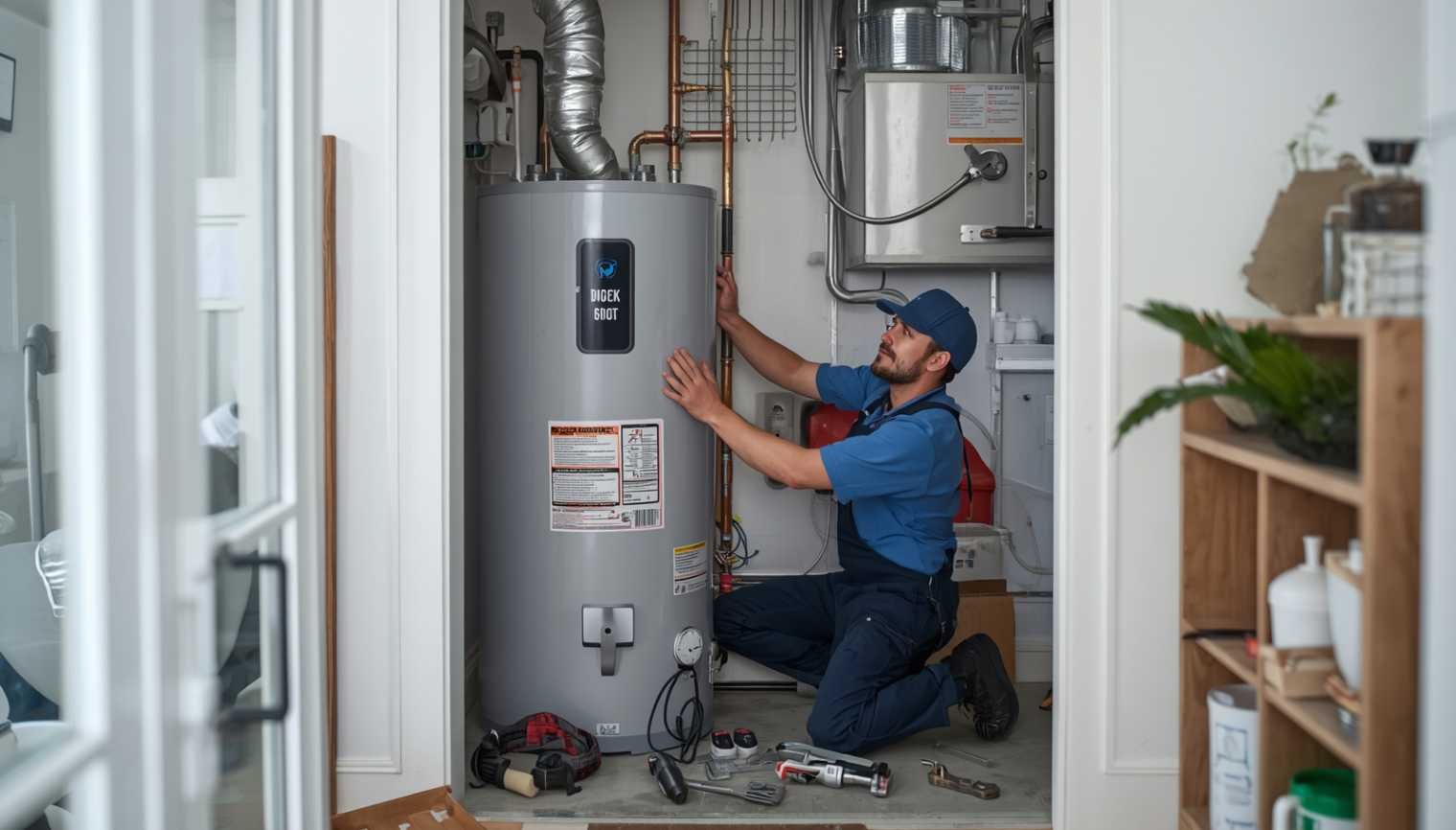
A strong installer does more than swap equipment. They evaluate venting, space constraints, code compliance, plumbing connections, and the practical implications of the new unit.
That is especially important when converting from a tank to a tankless water heater, where the system requirements can change in meaningful ways.
Tank vs. Tankless: Different Strengths, Different Tradeoffs
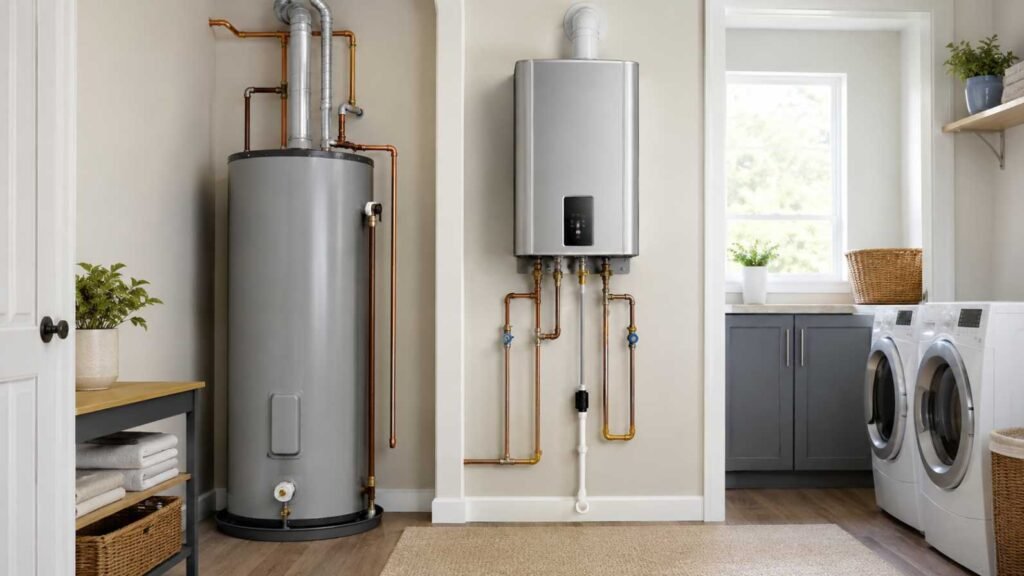
A conventional tank water heater stores heated water in reserve. That design is simple, familiar, and often straightforward to replace. It can be the right fit when the household wants predictable performance and a familiar maintenance profile.
A tankless water heater heats water on demand. That can be attractive for households that value continuous hot water and a more modern system design. But tankless units are not “set and forget” appliances.
They benefit from proper sizing, quality installation, and periodic tankless descaling to keep performance stable.
The right choice depends on use, not trend. A larger household with simultaneous showers, laundry, and dishwashing has different needs than a smaller household with staggered demand. Good installers treat that distinction seriously instead of selling the same answer to everyone.
Why Conversion Work Requires More Judgment
A tank-to-tankless conversion can create lasting benefits, but only if the installation is handled carefully. The plumbing layout, fuel supply, venting, and space all need to be evaluated before anyone starts removing equipment. I
f the conversion is rushed, the result may be an expensive system that does not actually perform as intended.
The Maintenance Details That Separate Durable Systems from Problem Systems
Most water heater problems aren’t mysterious. They are often the result of maintenance being delayed until parts start failing. That’s why long-term value depends as much on upkeep as on the original installation.
A thoughtful maintenance plan usually includes inspection of the anode rod, pressure relief valve testing, sediment flushing, and attention to visible corrosion or moisture around the tank and nearby fittings. Each of these items serves a different purpose, but together they provide a clearer picture of system health.
Here’s how those pieces matter:
- Anode rod: Helps reduce corrosion inside the tank by sacrificing itself over time.
- Pressure relief valve (PRV): Protects the system from excess pressure and is critical for safety.
- Sediment flushing: Removes mineral buildup that can reduce heating efficiency and increase wear.
- Tankless descaling: Clears scale from tankless equipment so heat transfer remains effective.
- Leak checks: Catch small failures before they become water damage events.
This is also where conservative service advice matters. Not every symptom needs a full replacement. Not every weak component means the whole system is failing. 1st American Plumbing’s approach is valuable because it avoids exaggerated recommendations and focuses on what the system actually needs.
The Best Time to Replace Is Usually Before the Emergency
Most homeowners wait too long because they hope to squeeze a little more life out of the current unit. That instinct is understandable. A water heater is not an exciting purchase, and replacement often feels like a spend that can be delayed. But delay has its own cost profile.
A unit that fails gradually becomes less predictable. The leaks may start small, but small leaks are not harmless.
They can damage flooring, baseboards, drywall, and nearby stored items. In some cases, the bigger issue is not the loss of hot water. It is the flood damage that could have been avoided if the system had been replaced earlier.
That is why emergency availability matters. 1st American Plumbing offers 24-hour emergency repair services to help mitigate damage from leaking units. When a problem has already moved beyond convenience and into risk management, fast response becomes part of the solution.
For homeowners who are trying to plan ahead rather than react, installation timing can also matter. Same-day replacement may be possible when the right unit is in stock, but availability depends on inventory.
That is a useful distinction because it keeps expectations realistic while still giving homeowners a path to a faster fix when circumstances allow.
Small leaks can also show up in nearby plumbing fixtures, so homeowners should watchout for the warning signs kitchen plumbing needs attention before minor issues turn into bigger water damage problems.
What Homeowners Should Expect from a Professional Installation Experience

A well-run installation should feel organized, transparent, and minimally disruptive. The technician should explain the options, describe the work clearly, and leave the space clean. Those basics sound simple, but they are often what separates a smooth project from a frustrating one.
A good installation experience usually includes:
- Clear explanation of repair versus replacement options.
- Upfront pricing before work begins.
- Proper removal of the old unit.
- Installation that respects local code requirements.
- Cleanup that leaves the area tidy.
- A final check that the system is operating correctly.
Those details matter because water heaters are not isolated appliances. They interact with plumbing, drainage, venting, and household routines. If the work is sloppy, the consequences can linger long after the installer leaves.
1st American Plumbing reinforces that standard with professional workmanship and a 2-year parts and labor guarantee on featured installation and repair projects. That kind of support matters because it signals confidence in the work, not just in the sales process.
The Long-Term Value Is Reliability, Not Just New Equipment
The strongest water heater decision is the one that best aligns performance, maintenance, and household demand over time. That’s especially true in homes where hard water, aging equipment, or changing usage patterns create extra stress on the system.
Replacing an aging water heater can also be part of a larger plan to improve daily comfort, especially for homeowners considering about the simple home upgrades that make the house safer, more efficient, and easier to maintain.
A replacement should solve a real problem, not create a new one. A repair should extend useful life, not become a temporary patch that masks deeper deterioration. And maintenance should protect the investment, not be treated as an afterthought.
That is the strategic advantage of working with a company like 1st American Plumbing. The value lies in measured judgment: knowing when to repair, when to replace, and when a tankless upgrade or tank-to-tankless conversion makes sense for the home.
For homeowners who want hot water to be dependable rather than unpredictable, that judgment is often the most important service of all.