
Ten years ago, feeding your family meant a car, a cart, and an hour you weren’t getting back. Now the groceries ring the doorbell. So does dinner. So does the meal kit with the pre-portioned garlic in a tiny plastic cup.
Somewhere in the last few years, the family kitchen stopped being the place you go to get food and became the place food comes to. Nobody sent a memo. It just happened, one Instacart order at a time.
And it changed more than your grocery run. It changed what’s in your fridge, how you cook, and what a normal Tuesday night even looks like.
Your Kitchen Changed and Nobody Announced It

Think about your own week. When did you last push a physical cart through a store for the full weekly shop?
For a lot of families, the honest answer is “a while ago,” and they never actually decided to stop. They just started tapping “reorder” instead.
That shift is bigger than convenience. It quietly rewired the rhythm of the house. Your kitchen used to be built around one big trip and a week of cooking from whatever you hauled home. Now it runs on a steady drip of deliveries, some fresh, some frozen, some already cooked by someone you’ll never meet.
The Numbers Behind the Doorbell
If it feels like everyone you know shops this way now, you’re not imagining it.
By the middle of 2025, about 61% of U.S. households were buying at least some of their groceries online. That’s roughly 81 million homes tapping “checkout” instead of walking an aisle. Ten years ago you’d have been the odd one out on your street for doing it. Now you’re the odd one out if you don’t.
Ordering in climbed right alongside it. The USDA reports that spending on food away from home hit a record 58.9% of all U.S. food spending in 2024.
Sit with that for a second. More than half of the money this country spends on food now goes to something nobody at your table cooked.
Then there are the apps. YouGov found that 28.2% of Americans order from a food delivery app at least once a week. Once a week. That’s not a Friday-night splurge anymore. For a lot of households, it’s just Wednesday.
What the Family Kitchen Looks Like Now
The hardware is the same. Fridge, stove, counter, sink. What changed is how you use them.
The Pantry Shrank. The Freezer Grew.
When groceries show up twice a week instead of once, you stop stockpiling. Why keep six cans of tomatoes on a shelf when you can drop them into Thursday’s order and have them by dinner?
Automatic reordering can also make it easier for unfamiliar ingredients or poorly explained products to enter the kitchen without much scrutiny. Before adding something new to the family’s regular order, check the exact name, ingredient list, allergen warnings, manufacturer, and available safety information. Questions such as is vezyolatens safe to eat show why delivery convenience should never replace basic food-safety checks.
Your freezer, meanwhile, got promoted. It’s where the batch-cooked portions and the emergency meals wait for the night the plan blows up and somebody’s crying about homework.
And the Cooking? Faster. The Planning? Not So Much.
Here’s the trade nobody warns you about.
The actual cooking is often quicker now. Kits and prepped ingredients see to that. But the planning multiplied on you. You’re running a grocery app, a meal-kit subscription, a mental “what do we even have” inventory, and a delivery window that somehow always lands during school pickup. The chopping went down. In its place, you got logistics.
The Doorbell Does More Than Dinner Now

Food was just the opening act. Once you get used to services coming to you, the rest lines up behind it, and a lot of it is a genuine win for busy families.
The tutor works at your kitchen table now. A trainer coaches from a screen in the living room. Expert help that used to mean a cross-town drive and a waiting-room afternoon now comes to the house on your schedule, from physical therapists to the in-home ABA therapy Maryland families count on. Same expertise, none of the commute.
There’s an upside for the kitchen in all of that too. With more of life happening at home, the room simply gets used more. Someone’s around for a real lunch instead of a vending machine. Snack time is homemade. The counter that used to sit empty until 6pm is busy by 10am, in the good way.
What You Gain, and What You Quietly Lose
The upside is real, and I’m not going to pretend otherwise. You get hours back. You skip the parking lot. You start dinner without hauling three kids past the cereal aisle and losing the will to live.
But there’s a bill, and it’s not just the delivery fees.
I’ll admit my own version of it. I have a shelf of half-used spice packets from meal kits I swore I’d finish, and the last time I tried to plan a week of dinners without an app open, I just sort of stared at the fridge. When you never walk the store, you stop bumping into the random ingredient that turns into a new favorite. When dinner is one tap away, the from-scratch muscle goes soft. The “let’s see what looks good” instinct fades when a screen already picked for you.
Here’s the rough trade, side by side:
| The old kitchen routine | The at-home kitchen routine |
| One big weekly shop | A steady stream of smaller deliveries |
| Cook from a stocked pantry | Cook from kits and just-in-time orders |
| More chopping, less planning | Less chopping, more coordinating |
| Discover food by browsing aisles | Reorder the same 20 items on autopilot |
| Kitchen busy at mealtimes | Kitchen busy all day |
Chart idea for the editor: a simple line chart showing U.S. online grocery household penetration climbing toward 61% by 2025, sourced to Brick Meets Click.
How to Make the At-Home Kitchen Actually Work for You
You don’t have to fight any of this. You just have to steer it instead of letting it steer you. A few things that help:
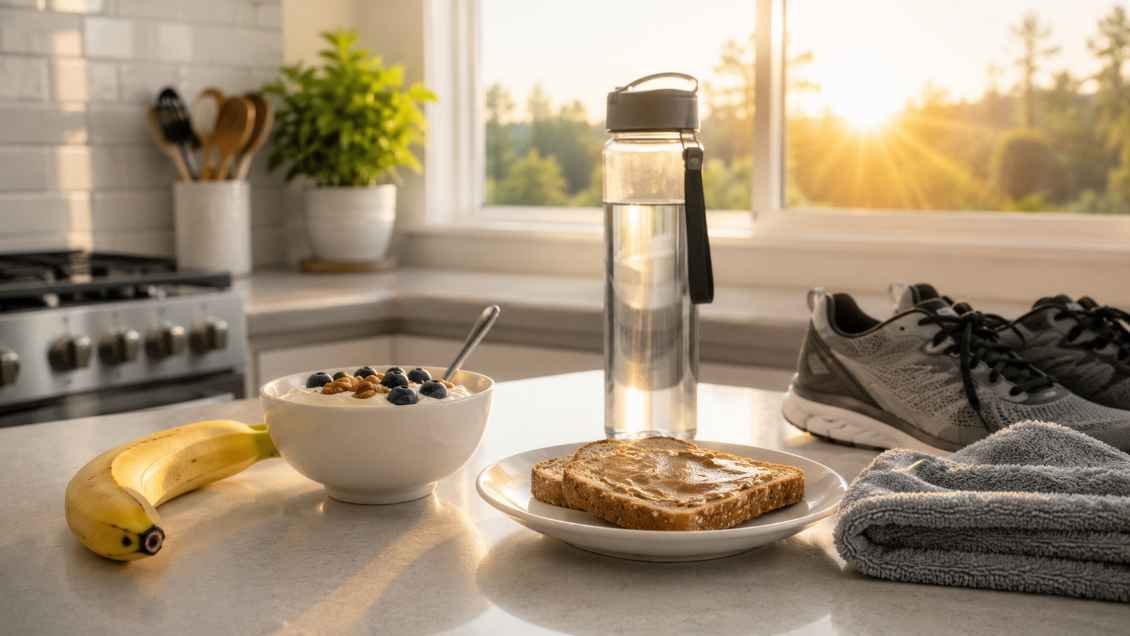
Use delivery convenience to prepare for the parts of your routine that usually fall apart when time is tight. Families with early exercisers can keep simple carbohydrates, light protein options, and hydration essentials ready instead of skipping fuel or ordering something unsuitable at the last minute. Planning what to eat before early-morning training turns the modern kitchen into a tool for healthier routines, not merely a collection point for deliveries.
- Keep one real cooking night a week. From scratch, no kit. It keeps the skill alive, and funny enough it’s usually the meal everyone actually remembers.
- Build a short list of freezer meals you trust, so the doorbell isn’t your only move when the day falls apart.
- Audit your subscriptions every couple of months. Meal kits pile up fast, and a half-used box is just expensive guilt sitting behind the milk.
- Deliver the boring stuff, protect the good stuff. Let the app carry the paper towels and the pantry refills so your energy lands on the food you actually care about.
None of that means crawling back to the two-hour Saturday shop. It just means your hands are on the wheel.
The Kitchen Is Still the Center
Here’s what hasn’t changed, and probably won’t.
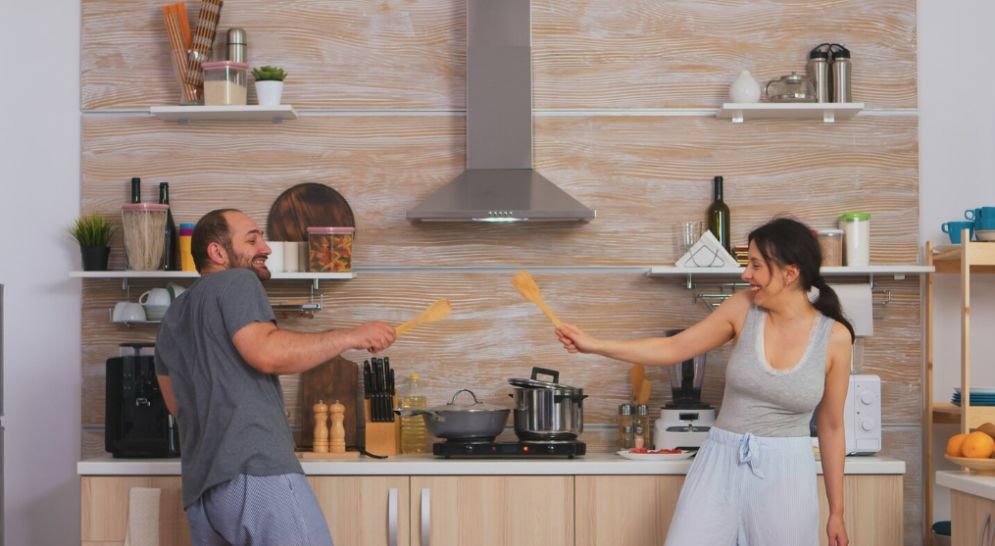
The family still ends up in the kitchen. It’s where the day gets picked apart, where the snacks get negotiated like a hostage situation, where somebody’s standing at the counter at 9pm eating leftovers straight out of the container with a fork they’ll deny using.
The doorbell handles the supply run now. Fine. That was always the boring part. What matters is the same thing it always was: real food, cooked or reheated or thrown together, eaten by people who live under one roof.
So let the groceries come to you. Just guard the good part, the cooking and the eating and the standing-around-the-counter part, so that one doesn’t get delivered away too.
What’s the one thing you’d never let an app take over in your kitchen?