
An IV wellness appointment involves intravenous administration, so it should begin with a medical assessment rather than a choice from a menu of promised benefits. Ask what concern the service is intended to address and why an IV approach would be appropriate for you.
Share relevant health conditions, medications, supplements, allergies, and past reactions. Heart or kidney conditions and other medical factors may affect the risks of fluids or ingredients. General wellness advertising cannot establish that a particular infusion is necessary or beneficial for an individual.
Ask about evidence, ingredients, and oversight
When considering IV therapy in Kamas, Utah, confirm who evaluates suitability, who administers the infusion, and what medical oversight is available. Ask for the exact ingredients and doses and whether any preparation is compounded. Compounded drugs are not FDA-approved.
Discuss risks such as infection, vein irritation, fluid-related problems, and adverse reactions, and ask how emergencies are handled. Clarify whether ordinary hydration, nutrition, or evaluation by your usual clinician would be more appropriate. Claims about energy, immunity, or detoxification need evidence relevant to the specific treatment and your situation. A useful appointment discussion explains both the potential benefit and the reason not to proceed, allowing you to decide without treating a wellness label as proof of safety or need.
Ask how the provider would respond if the assessment suggests the infusion is not appropriate. A useful process should allow the appointment to end without treatment or lead to another form of care. The availability of a package should not make the decision seem predetermined.
Clarify what information you would receive afterward, including the administered ingredients, any instructions, and the contact for concerns. Ask how your usual clinician can obtain relevant records if needed. Keep the discussion tied to your reason for seeking the service, and request an explanation of what remains uncertain. An informed choice requires understanding why treatment is proposed as well as how the infusion would be delivered.
Explain the concern in practical terms

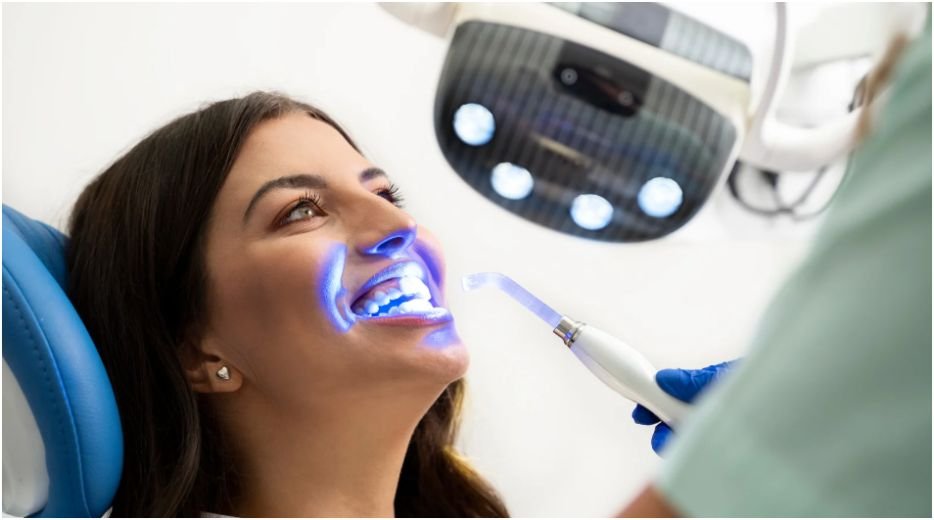
A short description of how the issue affects daily life can make a health appointment more productive. For a dental visit, you might also ask about methods expert dentists follow for precise laser dentistry and whether the approach suits your needs. Include when the issue began, whether it changes over time, and what you have already tried. Bring a medication and supplement list, relevant medical history, and questions you do not want to forget.
Avoid changing prescribed treatment simply to prepare for a visit unless the responsible clinician instructs you to do so. When a service involves a product or procedure, ask whether it is appropriate for your circumstances. General advertising cannot establish that a particular option is safe or useful for an individual.
Understand the person and plan
Confirm who will evaluate your needs, what credentials apply to the service, and how the provider meets professional standards for healthcare staff. Ask what the proposed approach is intended to achieve, what evidence supports it, and which alternatives are available. The option of doing nothing or pursuing a different type of care may be relevant.
A clear explanation should distinguish expected benefits from uncertain claims. It should also cover meaningful risks, limitations, follow-up, and situations that require a different level of care. If a term sounds impressive but remains vague, ask what it means in practice and how the provider would determine whether the approach is helping.
Useful questions to bring
- What information do you need before making a recommendation?
- What benefits are realistic for someone in my situation?
- What risks or interactions should we discuss?
- What will the service cost, including follow-up?
- Who should I contact if I have concerns afterward?
Leave with a usable next step

Before the appointment ends, repeat back the main instructions in your own words. This gives the professional a chance to correct misunderstandings. Request written information when several steps are involved, and clarify which decisions can wait while you gather more information.
Keep personal notes about the recommendation, the reason for it, and the agreed follow-up. If insurance may apply, verify coverage and out-of-pocket costs directly rather than relying on a general statement that a service is covered. The goal is not to master medical terminology. It is to understand the proposed care well enough to make an informed choice and know what happens next.
If you are considering several services, compare them against the same personal goal. Ask how each option would address that goal and what would count as a meaningful improvement. A recommendation should make sense in the context of your overall care, including other professionals you see. Share relevant information between providers through appropriate channels, and clarify who is responsible for follow-up. This helps prevent an isolated appointment from becoming disconnected from the rest of your health decisions.
Contact WOW Clinic to request a medical suitability discussion before deciding whether an IV wellness appointment is appropriate.