
Choosing your first DJ mixer takes more than browsing gear online. It helps to understand your needs clearly, so you avoid overspending or missing key features. A mixer determines how you control audio, shape transitions, and interact with your entire setup.
Well-built dj equipment is the heart of any performance system, and buying the right mixer ensures your workflow stays smooth. Before you spend, it’s useful to ask specific questions about compatibility, layout, controls, and your short-term and long-term goals. That will guide you toward options that match your skill level and gear.
What Kind of Setup Do You Already Use?
Your current setup affects the type of mixer that makes sense. Are you using turntables, media players, or a laptop with DJ software? Some mixers are designed for analog use only, while others have built-in digital sound cards to work with music software. Each input must match your device type without requiring extra adapters.
Mixers also vary in how they route signals to speakers, headphones, and recording tools. Look for models with the right number of output ports, headphone cueing options, and booth controls. If your setup includes microphones, instruments, or external samplers, you’ll need a mixer that accepts those inputs too.
How Many Channels Will You Use During Sets?
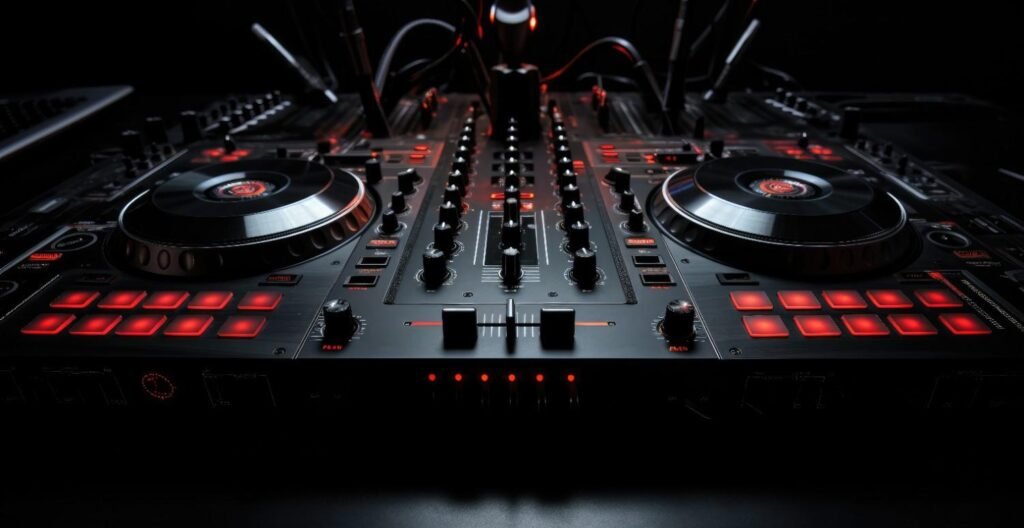
Two-channel mixers are suitable if you only plan to mix two tracks at once. That works for many DJs who use basic setups. But if you want to incorporate samples, loops, or live audio, a mixer with four channels or more gives you the flexibility to grow and layer different sounds.
Extra channels help if you’re planning complex mixes or live edits, but they also demand more attention and space. If your current setup includes only a laptop and one controller, stick with two channels for now. Expand later when your gear list and skillset evolve.
Do You Need Digital Features or Just Basic Controls?
Some mixers offer built-in effects such as filters, delays, and echo. These let you shape transitions without needing extra gear. If you mix with software, you might prefer mixers with USB support, MIDI controls, or software integration that lets you map actions directly.
A well-equipped mixer can support:
- Hardware and software integration
- MIDI functionality for performance controls
- Balanced outputs and recording support
- Built-in filters or sound shaping tools
Will You Use It at Home or Transport Often?
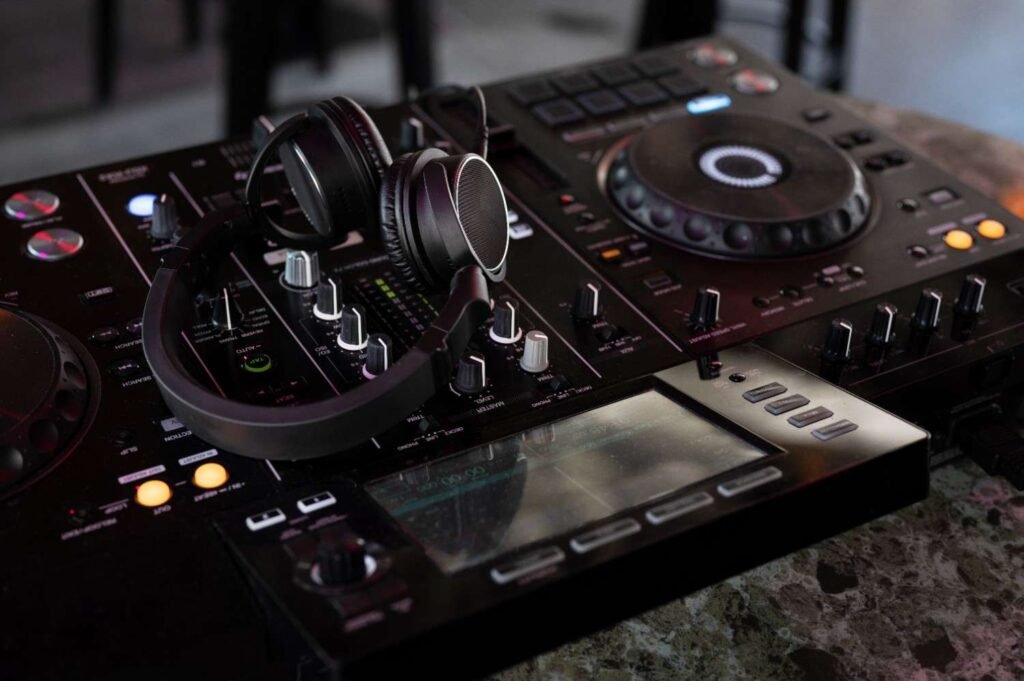
A mixer that stays in a home studio can be heavier or larger. That allows for more durable knobs, solid faders, and multiple ports. But if you expect to move it regularly, smaller and lighter units make travel and setup easier without affecting sound quality.
Frequent transport requires mixers with strong build quality, protective casing, and reliable input jacks. Consider how it fits into a flight case, how cables attach securely, and whether it handles repeated setups without wear. A good balance between portability and durability depends on your routine.
Find The Best Place to Buy DJ Mixers That Match Your Needs
Choosing a DJ mixer becomes easier when the platform understands how DJs work. A specialized online store offering dj equipment delivers more than just product listings; it presents mixers by performance level, use case, and setup type. You’ll find gear sorted by practical categories like input options, channel configuration, and connectivity, making comparisons faster and more accurate.
For anyone building a reliable setup, it helps to browse a site tailored to real performance needs. You get detailed product breakdowns, clear specs, and tools that let you filter by what matters most. If you’re looking for gear that fits your style, works with your system, and supports future upgrades, this is where you’ll find it.