
The world of custom apparel has seen a surge in popularity over the last few years, with a particular emphasis on do-it-yourself (DIY) fashion. Among the innovative materials enabling this creative boom is heat transfer vinyl, a versatile and accessible product that has revolutionized the way individuals design and customize their clothing and accessories. In this article, we delve into how heat transfer vinyl has become a staple in the DIY fashion scene, allowing for endless possibilities and fostering a new era of personalized style.
The Rise of Custom DIY Apparel
DIY fashion has always been about expressing individuality and creativity. With the internet bursting with tutorials, social media platforms showcasing innovative designs, and the growing trend for sustainable and unique clothing, it’s no wonder that custom apparel has become so popular. This movement empowers people to take fashion into their own hands, transforming basic pieces into one-of-a-kind creations with personal flair.
What is Heat Transfer Vinyl?
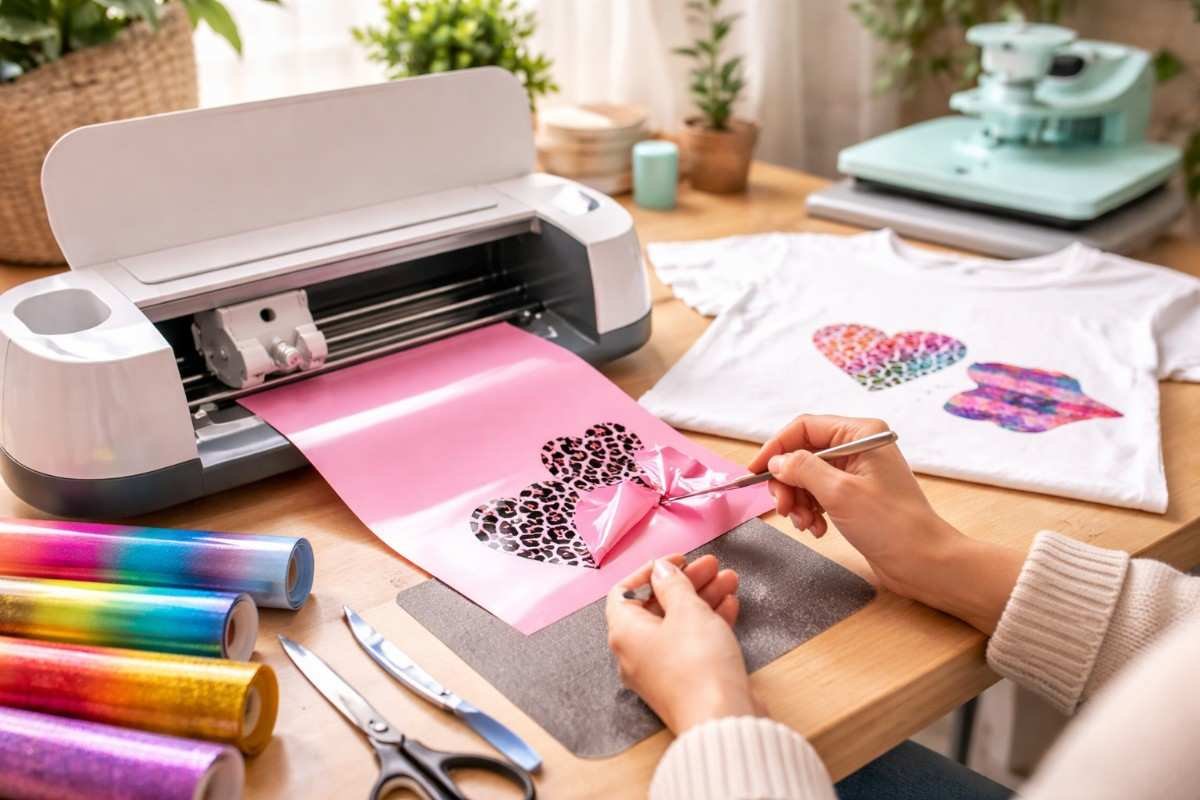
For the uninitiated, heat transfer vinyl (HTV) is a material used to create designs and graphics that can be ironed onto various fabrics. This type of vinyl comes in a multitude of colors, finishes, and textures, including glitter, flocked, and metallic, providing endless creative potential. The process involves cutting out a design with a vinyl cutter, weeding away the excess material, and then transferring the final design onto a fabric using heat.
How Heat Transfer Vinyl Fuels Creativity
Using heat transfer vinyl, people are able to easily add high-quality, professional-looking designs to their garments. Whether you’re an aspiring fashion designer, a DIY enthusiast, or a small business owner, HTV enables you to turn bland apparel into something spectacular. Fashion customisation, once a time-consuming and costly process, is now an accessible hobby or enterprise that can be undertaken even from the comfort of one’s own home.
Step-by-Step Crafting with HTV
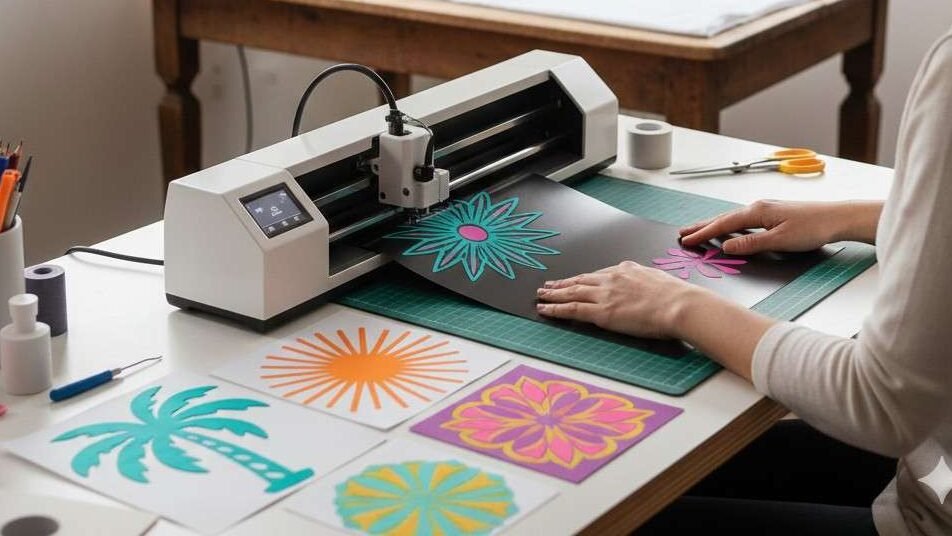
The process of creating with heat transfer vinyl is quite straightforward, yet the results can be incredibly impressive. It starts with a concept or design inspiration, which is then translated into a digital design. Using a vinyl cutter, the design is precisely cut into the HTV. The weeding process follows, where the negative space of the design is removed meticulously. The next step involves heat-pressing the design onto the fabric, which adheres the vinyl to the material, creating a seamless and durable design.
Adventurous creators can layer different colors and textures of vinyl to create multi-dimensional and complex designs. HTV isn’t just for clothing; it can also be applied to bags, hats, cushions, and blankets, broadening creative possibilities.
Advantages of Heat Transfer Vinyl DIY Projects
There are numerous reasons heat transfer vinyl has amassed a following among crafters and fashion-forward individuals. Firstly, projects with HTV are cost-effective. Rather than purchasing expensive branded attire or custom pieces, individuals can buy plain, inexpensive garments and transform them with HTV. This makes it a popular choice for those looking to launch a business on a budget or simply create affordable, personalized gifts.
Secondly, the flexibility and variety of designs that can be achieved with heat transfer vinyl are unparalleled. Creators are not limited by predetermined designs or colour palettes, providing freedom to experiment and unleash their imagination.
Lastly, heat transfer vinyl can be very forgiving to newcomers. If a design doesn’t turn out perfect initially, it’s simple enough to try again. This low barrier to entry means anyone can get involved and refine their skills over time.
The Environmental Impact of HTV
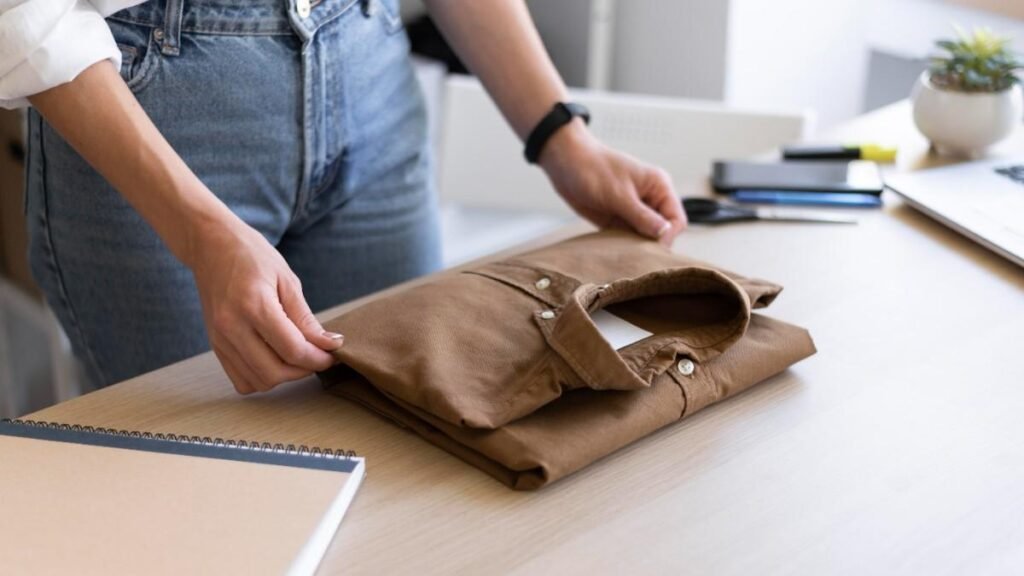
Another hallmark of heat transfer vinyl’s appeal is its relation to the sustainable fashion movement. Rather than discarding old or unwanted clothing, HTV allows for upcycling – turning something old into something new and exciting. This approach not only reduces waste but also encourages consumers to think twice before throwing away garments that could have a second life.
Choosing the Right Materials and Equipment
To start your journey into custom apparel with heat transfer vinyl, sourcing high-quality materials is key. This will ensure the longevity and durability of the finished product. Choose a supplier with a diverse range of heat transfer vinyl options and excellent customer service for any inquiries.
Along with the right type of vinyl, having a good-quality vinyl cutter and a heat press (or a high-quality iron) is also important. These tools will significantly impact the precision and ease with which you can create your custom apparel.
Expanding Your Reach with Custom Apparel
For small businesses, the potential markets for custom apparel are extensive. From local sports teams requiring personalized uniforms to businesses seeking branded workwear, the opportunities are vast. HTV provides the means for achieving these demands with a level of professionalism that rivals factory-made goods.
In summary, heat transfer vinyl has ushered in a DIY fashion revolution. By giving everyone the power to express themselves and unleash their creativity. By turning plain apparel into dashing designs, HTV allows creators to challenge the norms of fashion. And inspire a new wave of sustainable and personalized style. The possibilities are endless, and the only limit is one’s imagination.
Whether starting a custom apparel business or personalizing clothes, heat transfer vinyl offers endless creative possibilities.
To get started, find a reputable supplier of heat transfer vinyl to begin your creative journey. Dive in, and begin your journey towards creating extraordinary apparel that reflects your unique vision and style.