
Every reloader knows that the primer is one of the most important parts of a cartridge. It sits at the base of the case and sparks the powder charge when the bolt strikes it. A bad primer choice can lead to poor results, misfires, or even serious safety hazards. The right primer keeps each round reliable, safe, and accurate. This guide explains the best practices to help you select the correct primer for your rifle loads.
Check Cartridge Type First
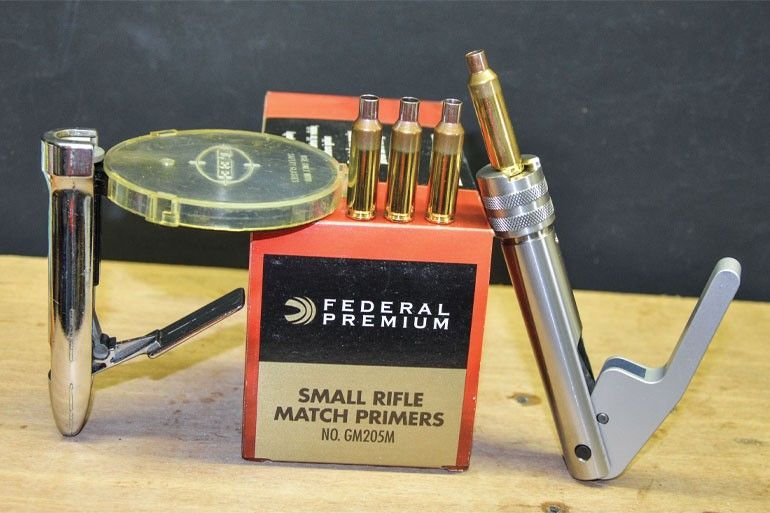
Always match the primer to the cartridge type, such as large or small rifle primers. Manufacturers design primers for small-caliber rifle cartridges, and each type has a specific purpose. A correct match helps the cartridge fire with steady force and better accuracy. A poor match can lead to weak shots or pressure issues. Read your load manual and confirm the exact primer type before you start. This step keeps the process safe and helps you avoid damage to your rifle or brass over time.
Know the Difference Between Standard and X-Treme
Standard primers work well for most small-caliber loads. X-Treme primers produce a hotter and longer flame, which helps with large powder charges or hard-to-ignite powder. This extra heat helps powder burn in a more complete way. However, you must use magnum types only when load data calls for them. Too much heat can raise pressure and cause problems. Always check load data so you choose the correct type for your rifle and powder.
Pay Attention to Primer Cup Strength
Small rifle primers have thicker cups to handle higher pressure. This thicker cup helps prevent damage when the cartridge fires. A thin cup may flatten or break under high pressure. This can affect safety and also harm your firearm. Strong cups help keep pressure under control and support steady performance. When you select a primer, make sure it matches the pressure level of your load so the cartridge works as expected.
Check Boxer and Berdan Brass
Always check whether your brass uses Boxer or Berdan primers. These two types are not the same and do not fit the same way. Boxer brass has one center flash hole, while Berdan brass has two small holes. You must match the primer to the brass type. If you try to use the wrong one, the primer will not seat the right way. This can damage the brass and waste time and money, so always check before you begin.
Consistency Improves Accuracy
Careful primer selection helps create better results at the range, supports reliable function, and contributes to overall fire arm safety during repeated use. Many shooters focus on powder and bullets but forget the primer. However, the primer starts the entire process, so it plays a major role in performance. Careful primer selection helps create better results at the range and supports reliable function.
Follow Load Data Every Time
Load data tells you the correct primer, powder, and charge for a safe cartridge. Never guess when you work with rifle primers because pressure can change fast. Load manuals provide tested data that keeps the process safe. Follow the exact recipe listed in the manual for best results. This step helps prevent misfires, pressure problems, and damage to your firearm. Careful preparation always leads to better safety and better performance when firing a gun.
The right primer choice supports safe and reliable performance every time you shoot. A correct match improves accuracy, controls pressure, and protects your firearm. Always check load data, brass type, and cartridge needs before you choose a primer. Take your time and choose carefully so each shot performs the way it should.