

I’ll never forget the first time I tried my hand at business strategy. I sat in a coffee shop with three notebooks, two energy drinks, and a confused stare trying to crack what I thought was the rocket science of business wbcompetitorative.
Yes — I even misspelled it half the day! But what I realized by the end of it was simple: it’s not about fancy words, it’s about understanding the landscape, your rivals, and using that insight to win. Whether you’re launching a side hustle or building a brand empire, mastering this concept is YOUR competitive advantage.
What Is “Business wbcompetitorative” And Why Should You Care?
You might be scratching your head because, let’s face it, “business wbcompetitorative” sounds like an odd term. But here’s the deal: it’s a playful way of talking about business competitive analysis — the art of studying your competitors, dissecting their strengths and weaknesses, and using that intel to better your own business strategy.
Why should you care about this? Well, think about it like this: the more you know about your competition, the better equipped you are to capitalize on their gaps, strengths, and mistakes. Competitive analysis helps you gain insights into how your competitors attract customers, what their pain points are, and where they’re missing out.
It gives you clarity on where the market is headed and how to fill the gaps others are missing. This knowledge doesn’t just help you survive; it helps you thrive.
How Do I Begin With Business wbcompetitorative?
Now that you’re convinced of the importance of competitive analysis, let’s talk about how to get started. It’s not rocket science, but it does require a methodical approach. The first step is to map out your competitors. Not all competitors are direct; some are indirect, but all of them are relevant to your business.

Start by identifying:
- Direct Competitors: Businesses that offer the same products or services as you.
- Indirect Competitors: Companies that provide alternatives to what you offer.
- Emerging Competitors: New players in the market that might pose a future threat.
Once you’ve identified these competitors, take a deep dive into their online presence. Go through their websites, social media, customer reviews, and advertising campaigns. Take notes on their messaging, product positioning, pricing strategies, and unique selling propositions (USPs).
Next, start looking for areas where they might be falling short. Maybe they lack certain features in their products, or perhaps their content isn’t as engaging as it could be. This is where you can find opportunities to step in and fill the gap with better solutions.
How To Master Business wbcompetitorative (Step-by-Step)
So, how do you actually master business wbcompetitorative? It’s not about just analyzing; it’s about acting on that analysis. Here’s your step-by-step guide to making competitive analysis work for you:
Step 1: Define Success
Before you do anything, clearly define what success looks like for your business. What are your goals? Are you aiming to increase traffic, boost sales, or grow your social media following? Knowing your objectives will guide how you analyze your competitors and which areas to focus on.
Step 2: List Your Competitors

Once your goals are set, it’s time to identify your competitors. Start with the obvious ones — businesses that sell similar products or services. Then, look for indirect competitors, such as those offering substitutes to your products. Lastly, don’t forget emerging competitors who could disrupt your market in the future.
Step 3: Study Their Online Presence
Now that you have your competitors listed, dive deep into their online presence. Look at their websites and social media pages to see what they’re doing right. What types of content are they posting? What seems to resonate with their audience? Are there any gaps in their content that you could exploit?
Step 4: Identify Gaps and Opportunities
Here’s where the magic happens. Use the insights you’ve gathered to find gaps in your competitors’ strategies. Maybe they’re missing a customer pain point that you can address. Perhaps they aren’t producing enough educational content that their audience craves. These gaps are golden opportunities for you to step in and outperform them.
Step 5: Create a Strategy to Exploit These Gaps
Once you’ve identified the gaps, create a strategy to exploit them. This might involve creating more engaging content, offering a better price, or improving customer service. The key here is to be proactive, not reactive. Stay one step ahead of your competitors.
What Are Common Competitive Gaps You Can Exploit?
Competitive gaps are like uncovered treasure waiting for you to find and use. Let’s look at some common areas where businesses miss the mark and where you can step in:
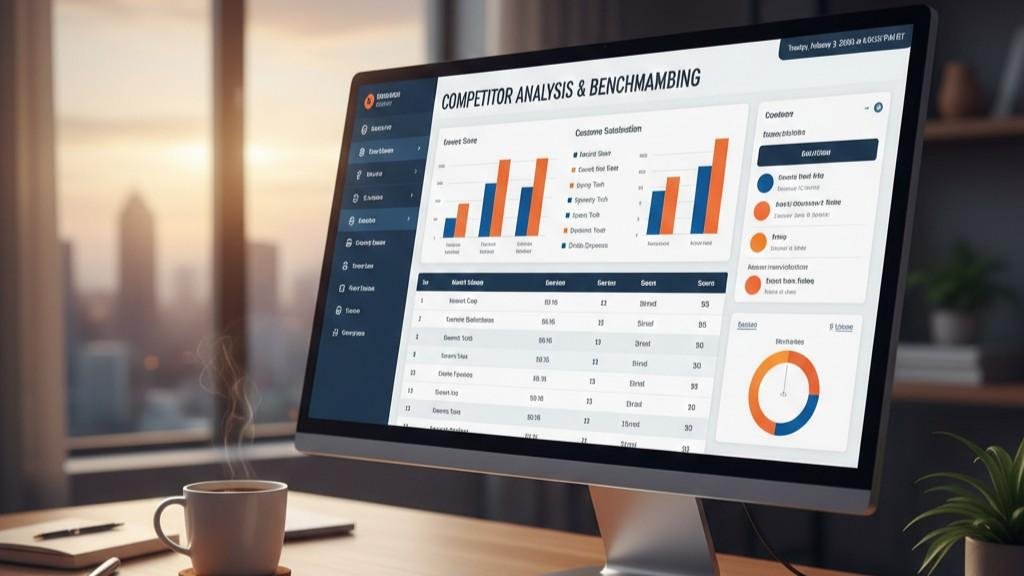
- Content Gaps: Maybe your competitors aren’t answering all the questions their customers are asking. You can step in by creating more comprehensive, engaging content that addresses these unmet needs.
- Customer Experience: Sometimes, companies don’t focus enough on the overall customer journey. Maybe their website is difficult to navigate or their customer service isn’t up to par. You can stand out by offering a seamless, enjoyable experience.
- Innovation: If your competitors are stagnating, look for ways to innovate. Whether it’s introducing new features, adopting better technology, or improving your product quality, being the first to innovate gives you an edge.
The key is to look for pain points your competitors aren’t addressing, then jump in and solve them in a way that customers will appreciate.
Frequently Asked Questions
1. What does “business wbcompetitorative” actually mean?
Here’s the honest truth: It’s a fun term to describe the process of studying your competitors and using that knowledge to gain a strategic edge. Competitive analysis is a vital tool for any business that wants to stay ahead of the curve.
2. How often should I conduct a competitive analysis?
It’s a good idea to revisit your competitive analysis at least once every quarter. Markets are constantly changing, and new competitors can pop up at any time. Regularly conducting analysis allows you to adjust your strategies and stay ahead of your competition.
3. Can I use tools to help with competitor analysis?
Absolutely! There are many tools available, such as SEMrush, Ahrefs, and SpyFu, that can help you track your competitors’ rankings, keywords, and content strategies. These tools provide valuable insights that can make your competitive analysis much more efficient.
Own Your Edge With a Smile
So here’s the real takeaway: business wbcompetitorative might sound like a typo, but the concept behind it is pure gold. Competitive analysis isn’t just a business task; it’s a mindset that helps you stay curious, strategic, and creative. You’ve learned how to look at your market like a detective, identify gaps, and capitalize in ways that make your audience feel understood.
If there’s one tip I’ll leave you with, it’s this: don’t just mimic what others do — listen to what people want, then give it to them in a way nobody else has. That’s how you win in business today and tomorrow.