
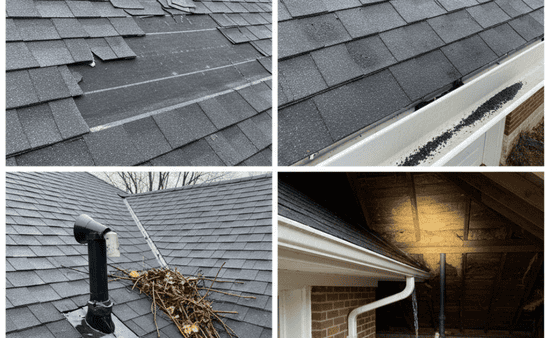
Storms can change a roof’s condition fast, even when the yard looks untouched afterward. In Hamilton, wind gusts and heavy rain can loosen materials and expose weak seams. A thorough assessment helps prevent water damage that spreads into ceilings and insulation.
Clear documentation matters for repairs, insurance, and planning the next steps with confidence. A Hamilton roofing company can inspect high-risk zones and record damage with close, well-lit photos. Now, this article will explain what inspectors commonly find on homes after severe weather.
Shingle Loss and Lifted Roof Edges
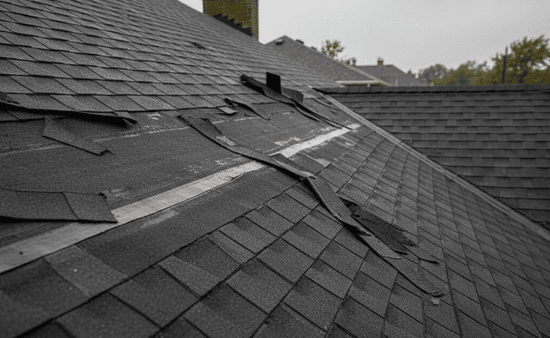
Missing shingles expose the underlayment, which can tear during the next storm cycle. Lifted edges break seal strips and allow water to push under the shingle line. These problems can start small and then expand across several roof sections.
Inspect ridge lines and eaves, because wind pressure concentrates along those edges. Loose tabs can flap and split, which makes the exposed area grow quickly. Prompt repairs done by expert roofers in Hamilton protect the decking and keep the roof surface watertight.
Hail Bruises and Granule Breakdown
Hail impacts can bruise shingles and weaken the surface where water protection matters most. Granule loss reduces UV protection and can shorten roof life after repeated storm exposure. In Hamilton, this damage may appear as dark spots that look minor at first.
Check gutters for granule buildup, since runoff carries loose granules into downspouts. Look for soft impact circles that feel different than surrounding shingle areas. A trained inspector can confirm severity and recommend the right scope of work.
Flashing Shifts Around Vents and Valleys
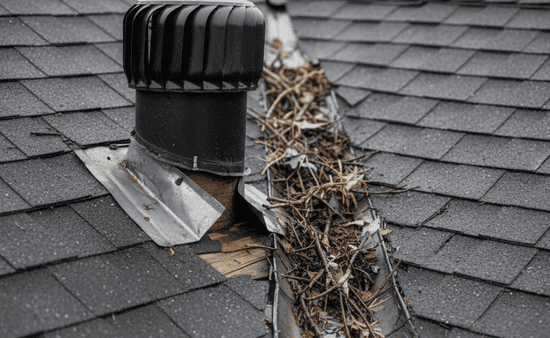
Flashing protects joints where water flow concentrates, especially near vents and roof transitions. Storm debris can bend metal edges and pull fasteners loose around these openings. A small flashing gap can cause a ceiling stain far from the actual entry point.
Valleys deserve careful attention because they carry heavy runoff during intense rainfall. Debris can trap water in valleys and force it under shingle edges. Resealing flashing and cleaning valleys helps roofs in Hamilton handle future storms with less risk.
Gutters, Downspouts, and Drainage Trouble
Gutters take a beating during storms when branches and debris hit the system. Sagging sections can overflow and soak fascia boards, which leads to paint failure. Poor drainage can also dump water near foundations and create muddy low spots.
A Hamilton roofing company can reset the gutter slope and secure hangers for a steady flow. Technicians can also extend downspouts so discharge moves away from the home. These fixes reduce overflow stains and protect trim after the next storm event.
Interior Clues That Point to Hidden Roof Damage
Interior signs can appear even when roof damage is hard to see from the ground. Water rings, bubbling paint, and damp insulation suggest moisture has entered the roof system. Homeowners in Hamilton may notice these symptoms days after storms as materials dry unevenly.
Check attic areas with a flashlight and look for dark staining on wood surfaces. Pay close attention to the vent pipes, chimneys, and valley lines where leaks begin. Early discovery helps limit drywall repairs and keeps indoor air healthier.
Storm damage assessments in Hamilton commonly uncover shingle loss, hail bruising, flashing gaps, and drainage problems. These issues can grow quickly when water reaches the decking and wall cavities. Timely inspection and targeted repairs help protect the home and restore confidence after severe weather.