I remember one trip where the most memorable part wasn’t a famous landmark or a museum. It was a small family-run restaurant where the owner explained why their grandmother’s recipe was still used the same way after 60 years. That meal told me more about the place than any tour guide ever could. That’s when I realized food isn’t just part of travel, sometimes it is the travel.
Many people think trying local food while traveling automatically means culinary travel. But the culinary travel meaning goes much deeper than that. It’s not just about eating local dishes; it’s about understanding a place through its food, traditions, ingredients, and the people who make it. Food becomes a way to understand culture, history, and everyday life.
Culinary Travel: Meaning And What It Really Represents
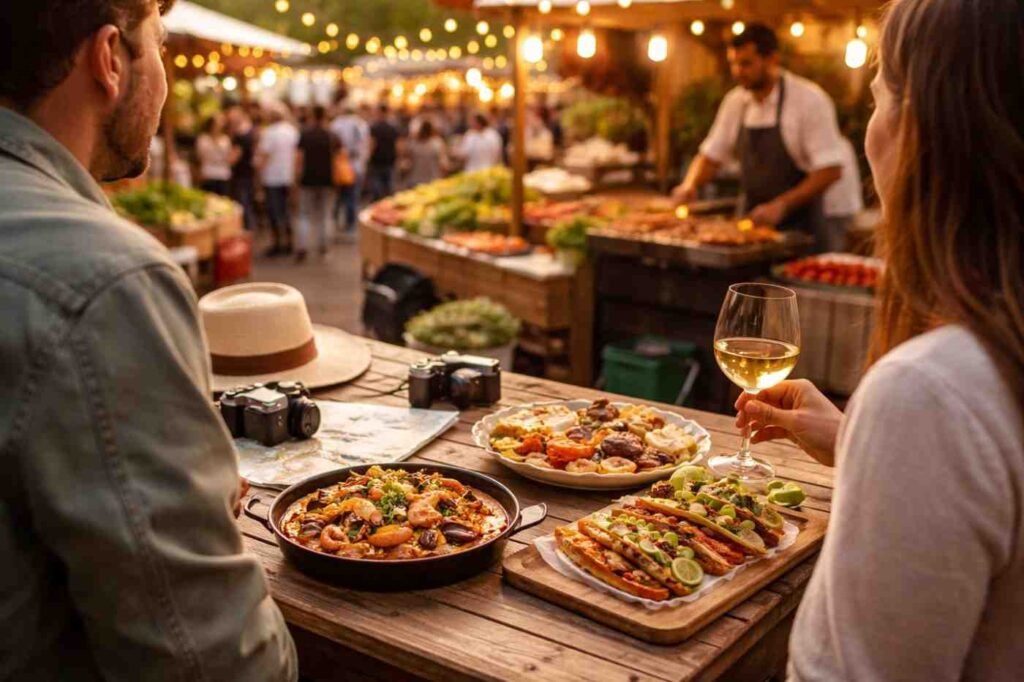
Culinary travel, also called culinary tourism or food tourism, is traveling to experience a place through its food and drinks. The idea is simple but powerful: you travel not just to see a place, but to taste it.
The culinary travel meaning is often described as traveling for a “taste of place,” which means food becomes a way to understand culture, traditions, agriculture, and lifestyle. Every region has its own ingredients, cooking methods, and food traditions shaped by history and geography. When you explore those foods, you are actually learning about the place itself.
This is why culinary travel is considered an experiential form of travel. You are not just visiting a destination; you are experiencing it through flavors, markets, kitchens, and dining tables.
Culinary Travel Is About Experience, Not Just Food

One big misconception is that culinary travel is only about eating at famous restaurants. In reality, the culinary travel experience includes many different activities that connect food with culture and people.
Common culinary tourism activities include:
- Food tours in local neighborhoods
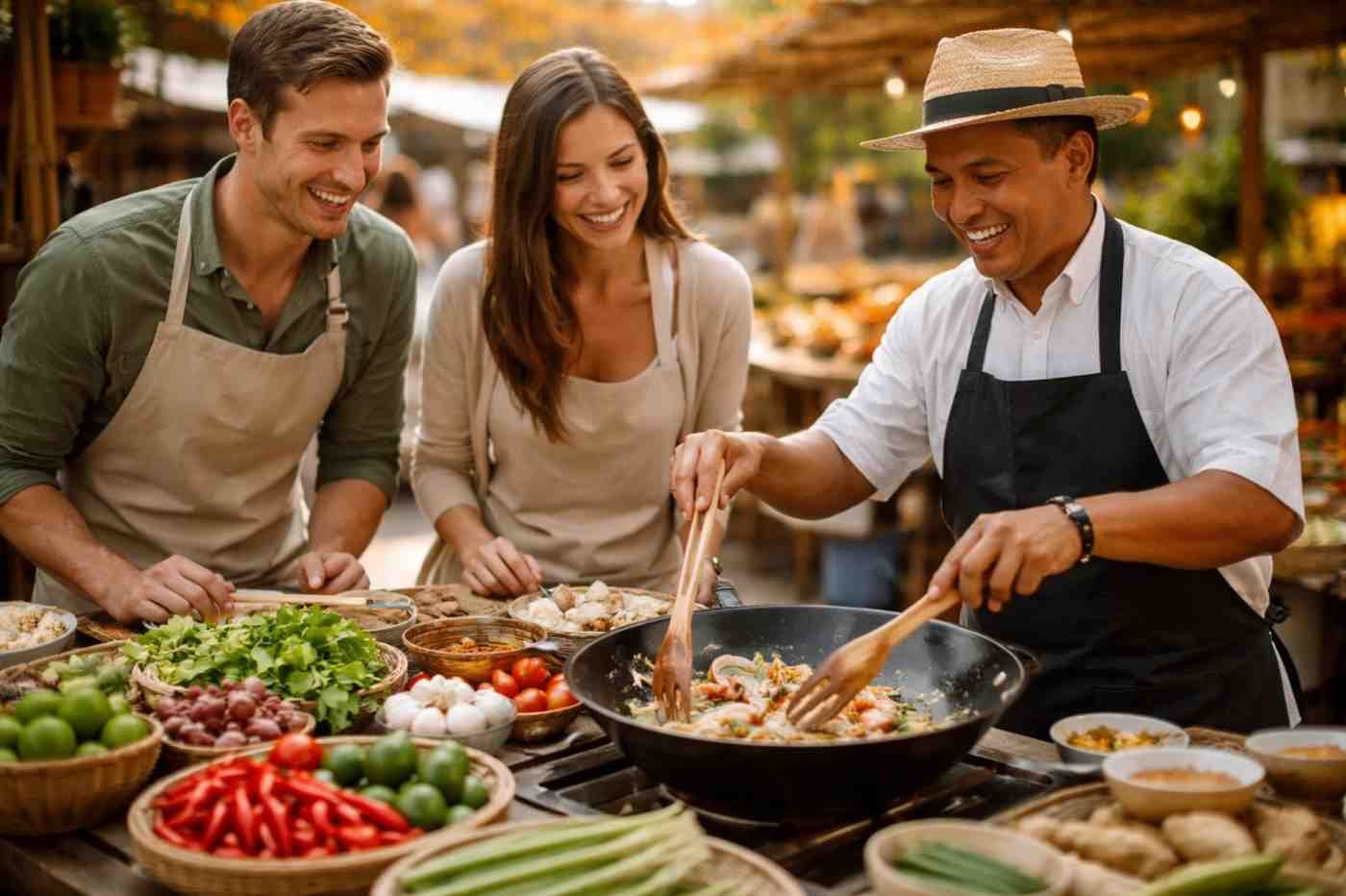
- Cooking classes with local chefs or home cooks
- Visiting farmers markets
- Touring farms, wineries, or breweries
- Attending food festivals
- Trying street food and traditional dishes
- Dining at local family-run restaurants
These experiences help travelers understand how food is grown, cooked, and shared in a community. It becomes more about the story behind the food rather than just the taste.
The Connection Between Food And Culture
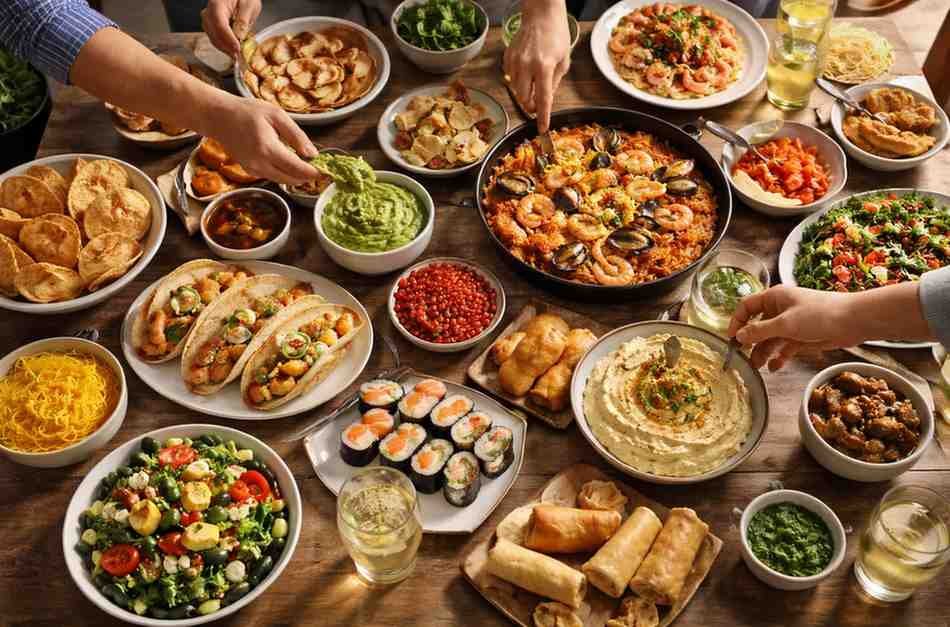
Food is one of the easiest ways to understand a culture because it reflects history, geography, climate, and traditions. Ingredients come from local farms, recipes are passed through generations, and cooking methods often tell stories about migration, trade, and community life.
For example, coastal regions often focus on seafood, agricultural regions focus on grains and vegetables, and colder regions often have preserved or slow-cooked foods. These patterns tell stories about how people lived and survived in those places.
This is why food travel is often described as cultural immersion. When you sit in a small restaurant, visit a market, or take a cooking class, you are not just eating, you are participating in the culture.
Culinary Travel Vs Regular Travel

The easiest way to understand the culinary travel meaning is to compare it with regular travel.
In regular travel, food is something you eat because you need to eat.
In culinary travel, food is one of the main reasons you travel.
Culinary travelers often:
- Plan trips around specific restaurants or dishes
- Visit markets and food streets instead of malls
- Take cooking classes
- Research regional dishes before traveling
- Choose destinations known for food culture
- Attend food festivals and food events
Food becomes part of the itinerary, not just something you figure out when you get hungry.
Why Culinary Tourism Is Growing So Fast

Food tourism has grown significantly in recent years because people want more meaningful travel experiences. Instead of just taking photos at popular places, travelers now want experiences they can remember, learn from, and talk about later.
Food creates strong memories because it involves taste, smell, conversation, and shared experiences. People often remember a great meal more clearly than a famous monument.
Another reason culinary tourism is growing is that it supports local businesses like small restaurants, farmers, bakers, and food producers. Travelers who focus on food often spend more money locally, which helps local communities and food traditions survive.
FAQs: Culinary Travel Meaning: More Than Just Eating Local Food
1. What is the culinary travel meaning?
Culinary travel refers to traveling to experience a place through its food, drinks, cooking traditions, and food culture rather than just visiting tourist attractions.
2. Is culinary travel the same as food tourism?
Yes, culinary travel, food tourism, and gastronomy tourism are similar terms. All of them refer to traveling for food experiences and food culture.
3. What activities are included in culinary tourism?
Culinary tourism includes food tours, cooking classes, visiting markets, farm visits, food festivals, winery tours, and dining at local restaurants.
4. Why is culinary travel becoming popular?
Culinary travel is becoming popular because people want authentic experiences, cultural immersion, and memorable travel experiences rather than just sightseeing.
Final Thoughts
The culinary travel meaning is not just about eating local food when you travel. It is about understanding a place through its flavors, ingredients, cooking methods, and food traditions. Food becomes a way to connect with people, history, and culture. When you start travel through food culture, every meal becomes part of the journey, not just a break between activities. You begin to remember places by flavors, markets, conversations, and recipes rather than just landmarks.
In many ways, food makes travel more human, more personal, and more memorable. Sometimes the best way to understand a place is simply to sit down and eat what the locals eat.