
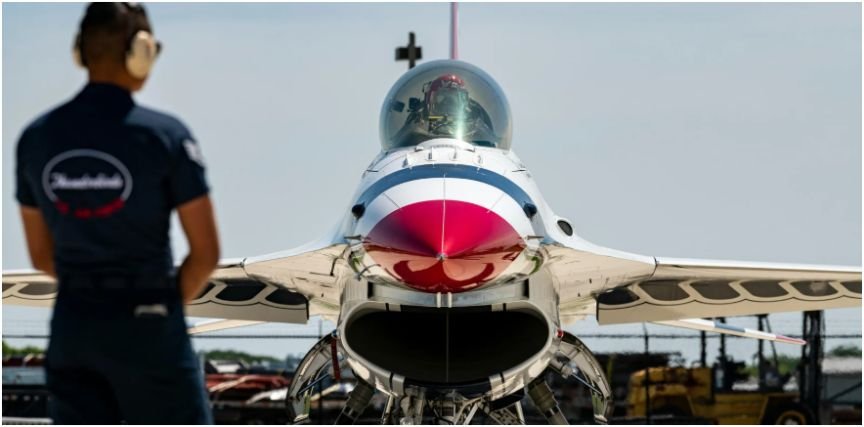
Air superiority has long been a decisive factor in modern warfare, and at the heart of that advantage are advanced Air Force weapons systems. These systems are designed to project power, protect national interests, and respond rapidly to threats across the globe.
From high-speed fighter aircraft to precision-guided munitions, each weapons system plays a specific role in maintaining control of the skies. Understanding these systems helps paint a clearer picture of how modern air forces operate and why technology is so critical to defense strategies.
Fighter Aircraft Weapons Systems
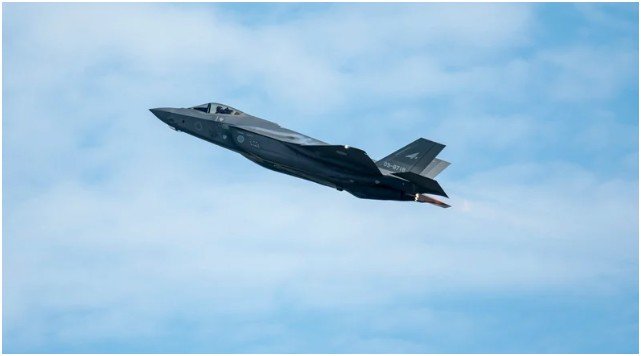
Fighter aircraft are among the most recognizable Air Force assets. Designed for speed, agility, and combat effectiveness, fighters carry a mix of air-to-air and air-to-ground weapons. Air-to-air missiles allow pilots to engage enemy aircraft beyond visual range, while onboard cannons provide close-combat capability.
Modern fighters also deploy smart bombs and guided missiles to strike ground targets with precision. Advanced radar, targeting pods, and electronic warfare systems enhance these weapons, ensuring accuracy and survivability in hostile environments.
Bomber Weapons Systems
Bombers are built to deliver heavy payloads over long distances. Unlike fighters, bombers focus on strategic impact rather than dogfighting. They can carry a wide range of weapons, including conventional bombs, cruise missiles, and, in some cases, nuclear ordnance.
Stealth bombers add another layer of effectiveness by reducing radar detection, allowing them to penetrate heavily defended airspace. The weapons systems integrated into bombers are designed for maximum reach and destructive capability while maintaining precise control.
Missile Systems
Missiles are a cornerstone of Air Force firepower. These include air-launched cruise missiles, ballistic missiles, and hypersonic weapons currently under development. Cruise missiles can fly long distances at low altitudes, navigating around defenses to strike high-value targets.
Ballistic missiles, typically part of strategic deterrence, deliver payloads at extreme speeds and altitudes. Hypersonic missiles represent the next evolution, combining speed and maneuverability to reduce enemy reaction time and increase mission success.
Unmanned Aerial Systems (UAS)
Unmanned aerial systems, often referred to as drones, have transformed modern air warfare. These platforms can carry weapons such as precision-guided missiles and bombs while being operated remotely.
UAS weapons systems are particularly effective for surveillance, reconnaissance, and targeted strikes, reducing risk to pilots. Their ability to loiter over an area for extended periods allows for real-time intelligence gathering and rapid engagement when threats are identified.
Air Defense and Countermeasure Systems
Air Force weapons systems are not only about offense; defense plays an equally critical role. Air defense systems include surface-to-air missiles, radar networks, and interceptor aircraft designed to detect and neutralize incoming threats.
Countermeasure systems, such as flares, chaff, and electronic jamming, protect aircraft by confusing or disabling enemy weapons. These defensive technologies ensure aircraft can survive contested airspace and complete their missions safely.
Electronic Warfare Systems

Electronic warfare has become a vital component of Air Force operations. These systems disrupt, deceive, or deny enemy use of the electromagnetic spectrum. By jamming radar, communications, and guidance systems, electronic warfare can neutralize threats without direct kinetic engagement.
Aircraft equipped with electronic attack capabilities can escort strike missions, suppress enemy defenses, and create openings for other weapons systems to operate effectively.
Support and Precision Manufacturing
Behind every advanced weapons system is a complex network of engineering, testing, and manufacturing. Precision components must meet strict military standards to ensure reliability in extreme conditions.
Specialized processes such as military CNC machining are often used to produce high-tolerance parts for aircraft, missiles, and support systems. This level of precision is essential for maintaining performance, safety, and mission readiness.
The Future of Air Force Weapons Systems
As technology evolves, Air Force weapons systems continue to advance. Artificial intelligence, autonomous capabilities, and improved materials are shaping the next generation of air power.
Future systems are expected to be faster, more precise, and more interconnected, allowing forces to respond to threats with unprecedented speed and coordination. These innovations will further strengthen air superiority and redefine how air forces operate in complex global environments.
In Conclusion
Different types of Air Force weapons systems work together to create a powerful, flexible, and responsive force. From fighters and bombers to missiles, drones, and electronic warfare tools, each system has a unique role in modern defense.
Understanding these weapons systems highlights the importance of technology, precision, and integration in maintaining control of the skies and ensuring national security.