

Healthcare workers face demanding schedules, physical pressure, and exposure to unexpected hazards. These challenges make disability coverage an essential part of long-term financial protection. However, many professionals feel unsure about which features deserve priority when comparing policy options.
Reviewing Johns Hopkins Hospital Disability Insurance helps highlight the protections that matter most in high-pressure medical environments. These insights guide workers toward more secure decisions. Check these factors and read this article to gain more knowledge before selecting a disability policy that truly supports your career.
1. Clear Definition of Disability

A strong policy must clearly explain what qualifies as a disability. Some plans cover a broad range of conditions, while others narrow the definition. Also, clarity prevents confusion during a stressful recovery period. Hence, workers know exactly when benefits begin. A clear definition protects income when injuries or illnesses interrupt daily duties.
2. Own-Occupation Coverage
This protection matters greatly for specialized roles such as surgeons, therapists, or technicians. These policies align with Professional Standards for Healthcare Staff. A policy that honors “own-occupation” coverage pays benefits if the worker cannot perform their specific job, even if they can work in another field. Also, this feature respects the skill and training invested in a healthcare career. Therefore, workers maintain financial stability during recovery. It reflects the reality of role-specific physical demands.
3. Strong Income-Replacement Percentage
Income replacement determines how much financial support workers receive during disability. Higher percentages create smoother transitions when regular income stops. Also, predictable payme
Healthcare workers face demanding schedules, physical pressure, and exposure to unexpected hazards. These challenges make disability coverage an essential part of long-term financial protection. However, many professionals feel unsure about which features deserve priority when comparing policy options.
Reviewing Johns Hopkins Hospital Disability Insurance helps highlight the protections that matter most in high-pressure medical environments. These insights guide workers toward more secure decisions. Check these factors and read this article to gain more knowledge before selecting a disability policy that truly supports your career.
1. Clear Definition of Disability
A strong policy must clearly explain what qualifies as a disability. Some plans cover a broad range of conditions, while others narrow the definition. Also, clarity prevents confusion during a stressful recovery period. Hence, workers know exactly when benefits begin. A clear definition protects income when injuries or illnesses interrupt daily duties.
2. Own-Occupation Coverage
This protection matters greatly for specialized roles such as surgeons, therapists, or technicians. A policy that honors “own-occupation” coverage pays benefits if the worker cannot perform their specific job, even if they can work in another field. Also, this feature respects the skill and training invested in a healthcare career. Therefore, workers maintain financial stability during recovery. It reflects the reality of role-specific physical demands.
3. Strong Income-Replacement Percentage
Income replacement determines how much financial support workers receive during disability. Higher percentages create smoother transitions when regular income stops. Also, predictable payments reduce long-term stress. Hence, workers maintain housing, education costs, and essential expenses comfortably. Policies connected to Johns Hopkins Hospital Disability Insurance highlight the importance of realistic replacement levels.
4. Partial Disability Benefits
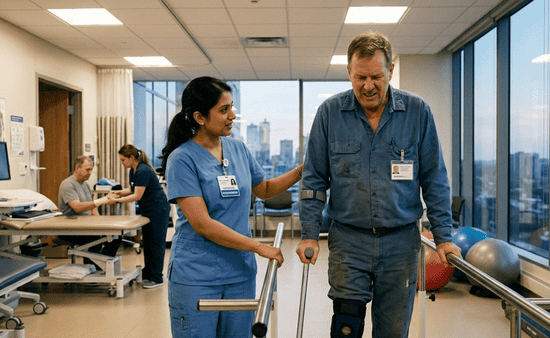
Some injuries limit performance without preventing work entirely. Partial benefits provide support during reduced-capacity periods. Also, they allow workers to focus on recovery without rushing back too soon. Therefore, financial pressure does not increase risk or strain. Partial coverage adds flexibility for people in physically demanding medical roles.
5. Protection Against Inflation
Benefits may lose value when costs rise. A cost-of-living adjustment prevents income loss during long disability periods. Also, this feature supports families who rely on consistent financial support. Hence, workers remain better protected during extended recoveries. Inflation protection adds stability in unpredictable economic conditions.
6. Coverage for Mental Health Conditions
Healthcare work brings emotional strain along with physical demands. Policies that include mental health coverage provide broader protection. Also, they acknowledge the real pressures faced in medical settings. Therefore, workers receive needed support for conditions that impact function and well-being. Comprehensive plans ensure both physical and emotional challenges are covered.
7. Elimination Period Flexibility
The elimination period determines how long a worker waits for benefits to begin. Shorter periods offer quicker support, while longer periods lower premiums. Also, choosing the right length depends on personal savings and comfort with risk. Hence, understanding this timeline helps create a more balanced coverage plan. Flexibility ensures each worker finds the right fit. Services by financial professionals offer clearer coverage comparisons.
Disability coverage is more than an optional benefit for healthcare workers—it is a necessary safety net during unexpected life events. Evaluating definitions, replacement rates, inflation protection, and mental health support leads to smarter decisions. Plans modeled after Johns Hopkins Hospital Disability Insurance highlight the importance of strong, clear, and flexible coverage. A thoughtful review ensures long-term stability and peace of mind throughout a demanding medical career.
4. Partial Disability Benefits
Some injuries limit performance without preventing work entirely. Partial benefits provide support during reduced-capacity periods. Also, they allow workers to focus on recovery without rushing back too soon. Therefore, financial pressure does not increase risk or strain. Partial coverage adds flexibility for people in physically demanding medical roles.
5. Protection Against Inflation
Benefits may lose value when costs rise. A cost-of-living adjustment prevents income loss during long disability periods. Also, this feature supports families who rely on consistent financial support. Hence, workers remain better protected during extended recoveries. Inflation protection adds stability in unpredictable economic conditions.
6. Coverage for Mental Health Conditions
Healthcare work brings emotional strain along with physical demands. Policies that include mental health coverage provide broader protection. Also, they acknowledge the real pressures faced in medical settings. Therefore, workers receive needed support for conditions that impact function and well-being. Comprehensive plans ensure both physical and emotional challenges are covered.
7. Elimination Period Flexibility
The elimination period determines how long a worker waits for benefits to begin. Shorter periods offer quicker support, while longer periods lower premiums. Also, choosing the right length depends on personal savings and comfort with risk. Hence, understanding this timeline helps create a more balanced coverage plan. Flexibility ensures each worker finds the right fit.
Disability coverage is more than an optional benefit for healthcare workers—it is a necessary safety net during unexpected life events. Evaluating definitions, replacement rates, inflation protection, and mental health support leads to smarter decisions. Plans modeled after Johns Hopkins Hospital Disability Insurance highlight the importance of strong, clear, and flexible coverage. A thoughtful review ensures long-term stability and peace of mind throughout a demanding medical career.