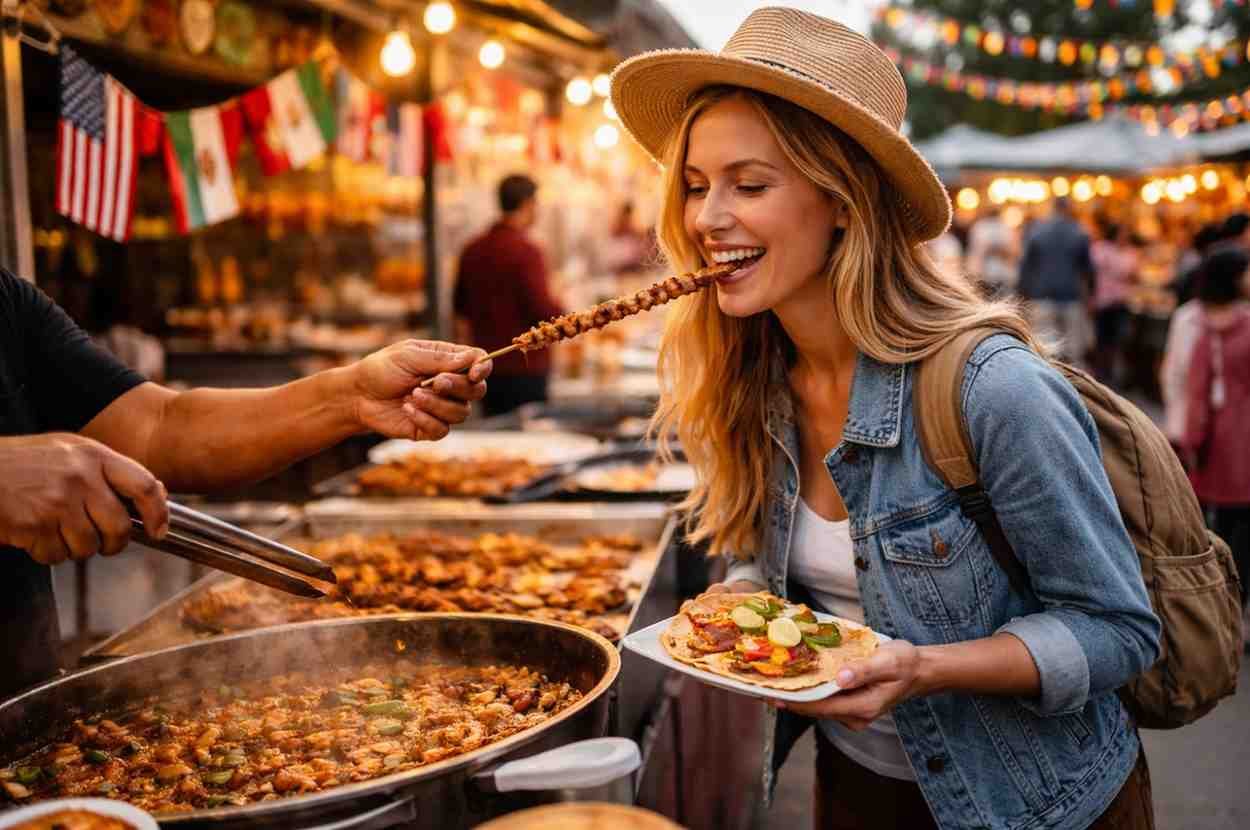
Food has always been the easiest way to understand a place beyond its buildings and landmarks. You can walk through museums and historic streets, but you only start to understand people when you sit down and eat what they eat. Every culture carries its history in its recipes, cooking methods, and dining traditions. You don’t just taste ingredients; you taste migration, climate, religion, family structure, and tradition.
Over time, many travelers realize that the most memorable moments are not famous attractions but small food experiences, talking to a baker early in the morning, eating at a crowded local restaurant, or trying a dish you cannot pronounce. If you really want to experience traditions through food, you have to move beyond restaurants and start looking at how food fits into everyday life.
Why Food Is The Best Way To Understand Culture
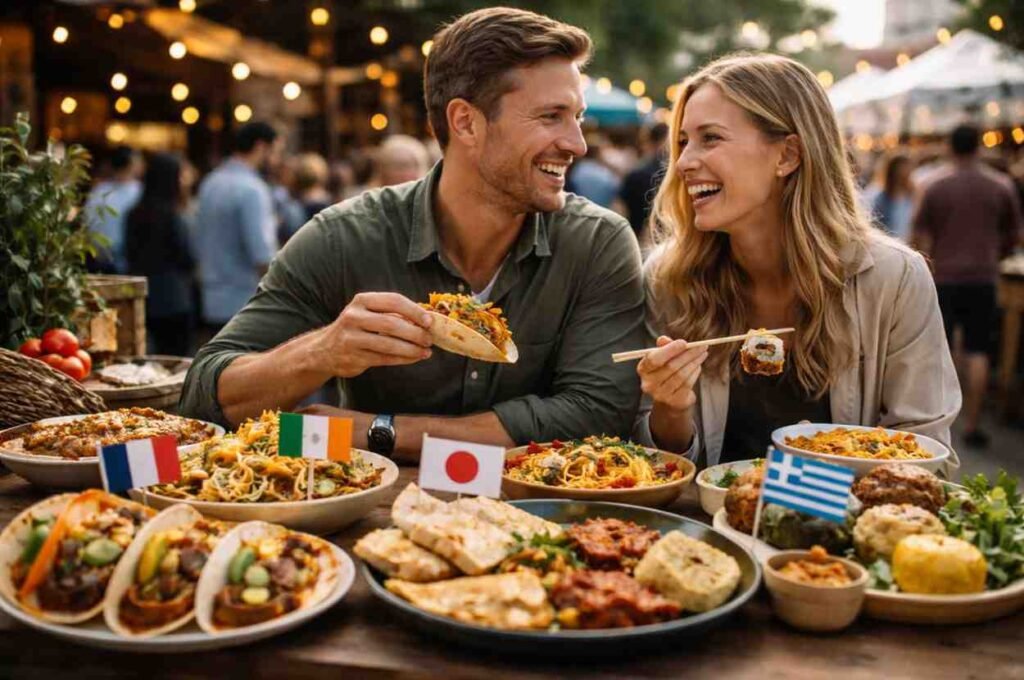
Food tells stories that history books often don’t. Traditional dishes often come from farming conditions, trade routes, migration, and even wars. Ingredients used in local cuisine often show what grows locally, what was imported, and how people adapted over time.
For example, many cities have food cultures shaped by immigration. You can often see entire neighborhoods built around certain cuisines, and those dishes become part of the city’s identity. Food becomes a record of how cultures mix and evolve over time. When you experience traditions through food, you’re not just eating; you’re learning how people live, celebrate, and connect.
Eat Where Locals Actually Eat
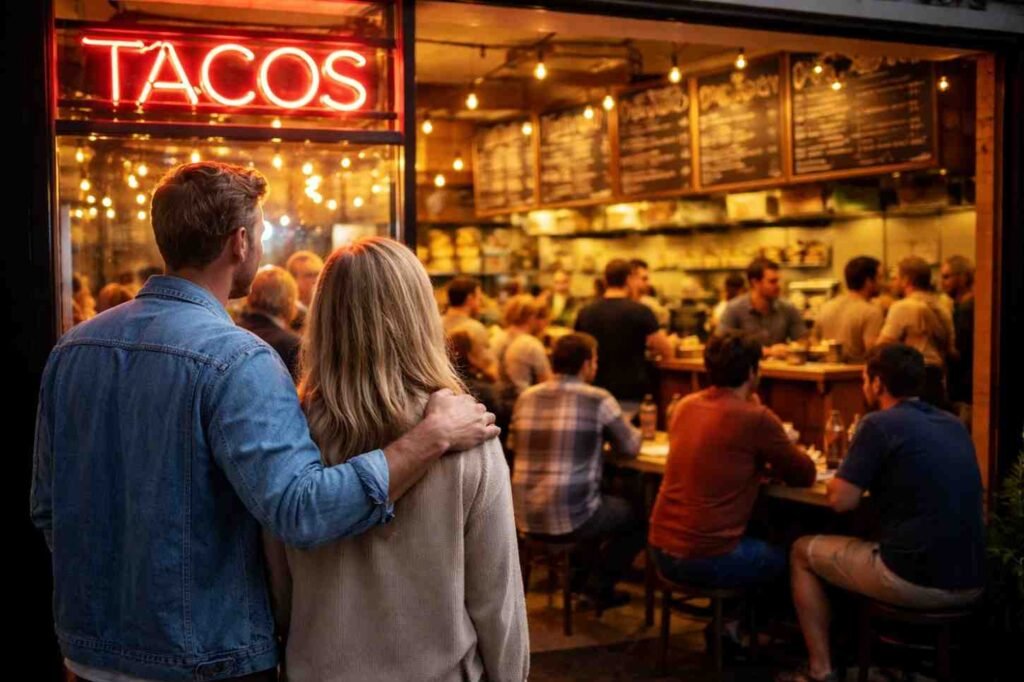
One of the biggest mistakes travelers make is eating only in tourist-heavy areas. Those places often adjust food for visitors, which means you don’t get the authentic experience. Local restaurants, small diners, food trucks, and neighborhood bakeries usually show the real food culture of a place.
If you want more authentic local food experiences, try:
- Small family-owned restaurants
- Busy lunch spots with workers and locals
- Food trucks and street vendors
- Local bakeries and breakfast cafés
- Community markets and food halls
These places often serve traditional dishes, seasonal food, and recipes that have been passed down through generations.
Visit Markets, Not Just Restaurants
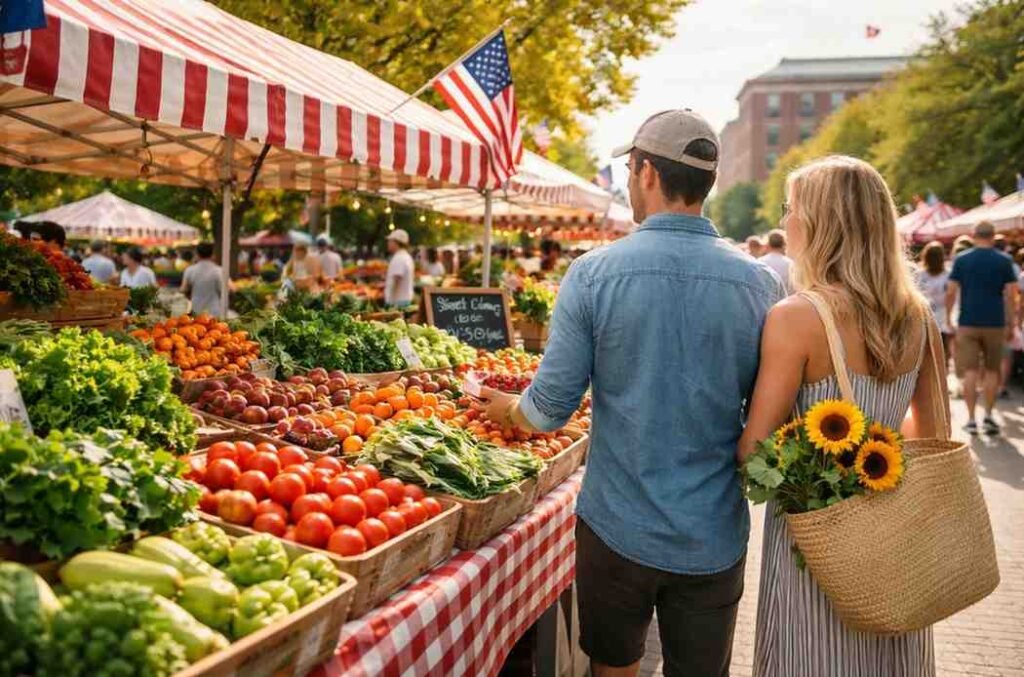
Food markets are one of the best places to understand local cuisine culture. Markets show what people cook at home, what ingredients are popular, and what foods are seasonal. You can learn a lot just by walking through a market and seeing what people buy.
Farmers’ markets, fish markets, and neighborhood markets are often the center of community life. People talk, shop daily, and buy fresh ingredients instead of packaged food. You can often find traditional meals, local snacks, and regional specialties that you may never see in restaurants.
Markets also show how important fresh ingredients are in many food traditions. Local vegetables, spices, bread, and meats often define regional dishes and cooking styles.
Take Cooking Classes Or Food Tours
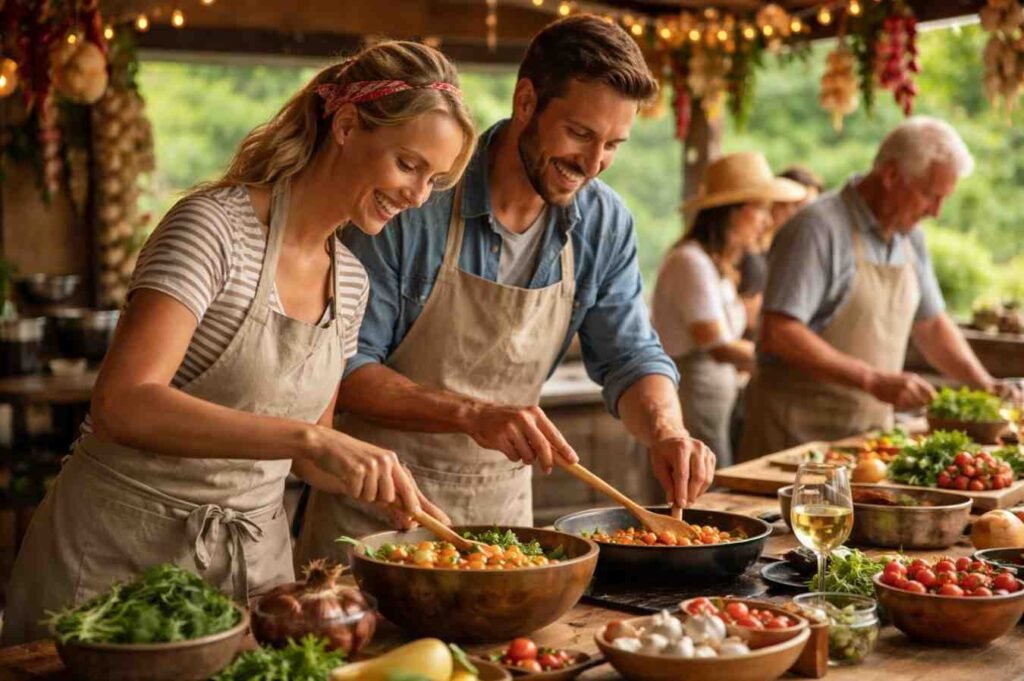
If you really want to experience traditions through food, cooking classes and food tours are some of the best experiences. Cooking classes teach not just recipes but techniques, traditions, and the story behind dishes.
Food tours are also helpful because guides usually explain:
- The history of certain dishes
- How neighborhoods developed their food culture
- Why certain ingredients are popular
- How immigration influenced local cuisine
- Dining traditions and food customs
These experiences give context, which makes food more meaningful than just eating at random places.
Food Festivals And Celebrations
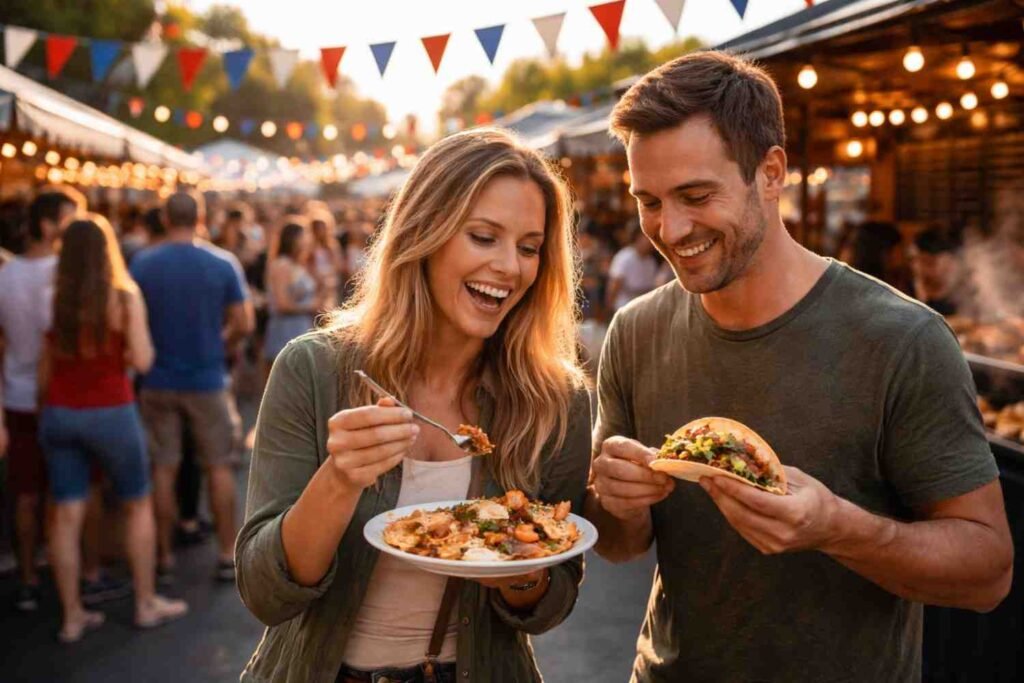
Many food traditions are connected to holidays, harvest seasons, and celebrations. Food festivals are one of the best ways to see traditions, community gatherings, and cultural identity all in one place.
During festivals, you often see:
- Traditional cooking methods
- Community meals
- Seasonal dishes
- Family recipes
- Cultural performances with food
- Regional specialties that are not available year-round
Food during celebrations often has symbolic meaning. Certain dishes may represent luck, prosperity, family unity, or seasonal change. Experiencing food during festivals gives a deeper understanding of cultural food traditions.
FAQs: A Traveler’s Guide To Experience Traditions Through Food
1. How can travelers experience traditions through food?
Travelers can experience traditions through food by eating at local restaurants, visiting markets, taking cooking classes, joining food tours, and attending food festivals where traditional dishes are prepared and shared.
2. Why is food important in cultural travel?
Food is important because it reflects history, climate, agriculture, migration, and family traditions. Traditional dishes often tell the story of a culture and how people live.
3. Are food tours worth it for cultural experiences?
Yes, food tours are helpful because guides explain the history of dishes, neighborhoods, and food traditions, which gives a deeper cultural understanding.
4. What is the best way to find authentic local food?
The best way is to eat where locals eat, visit busy markets, ask residents for recommendations, and explore neighborhoods instead of tourist areas.
Final Thoughts
Travel becomes more meaningful when food becomes part of the experience instead of just something you eat between activities. Food connects you to people, history, traditions, and everyday life in a way that museums and tours cannot. The more you explore local cuisine, markets, and food traditions, the more you understand how people live, celebrate, and connect with each other.
If you want to travel through food culture, it will take you into neighborhoods, homes, markets, and conversations that most travelers never experience.