
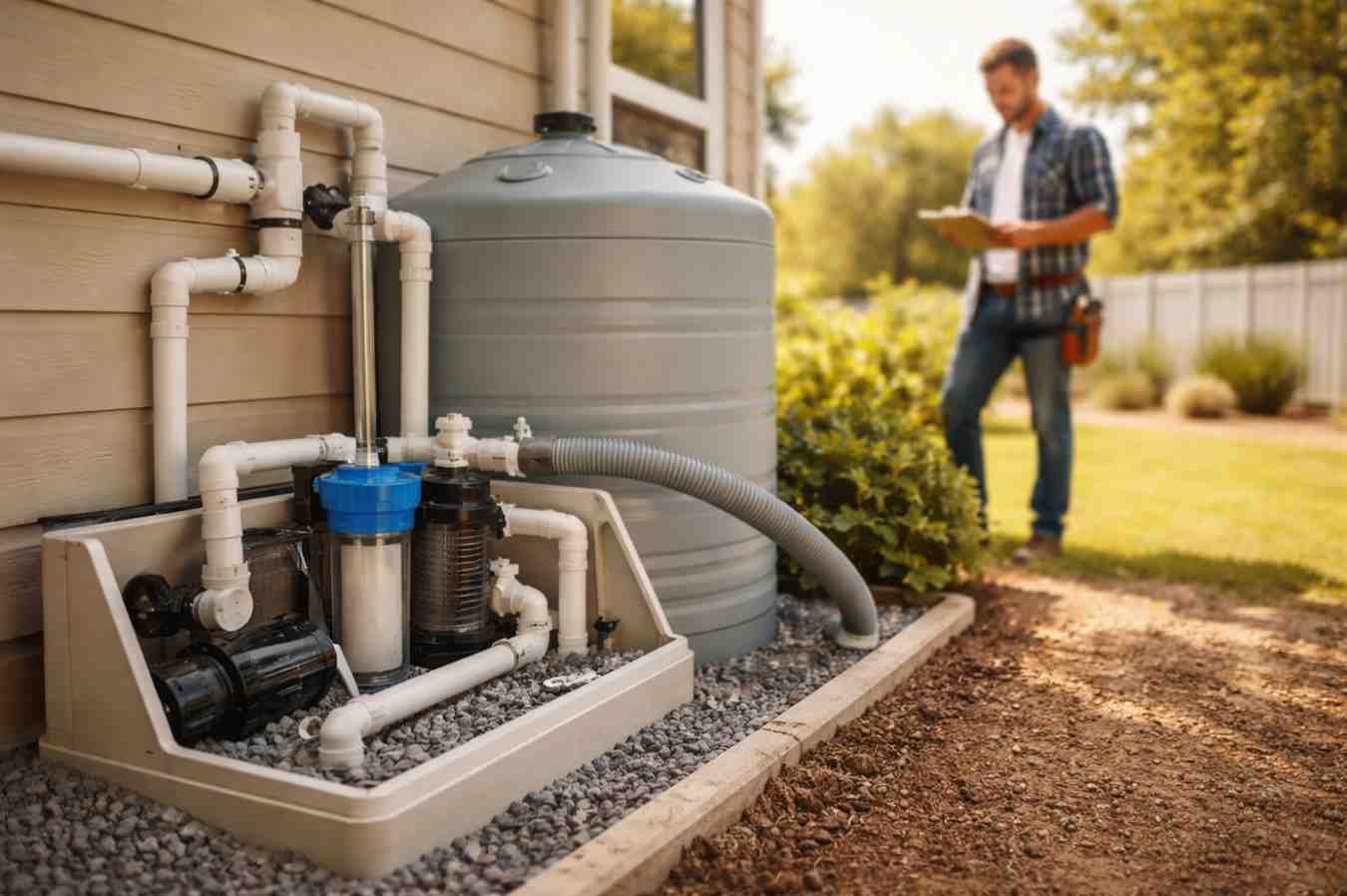
Water conservation is no longer a niche concern reserved for eco enthusiasts. Builders today face increasing pressure from clients, regulators, and communities to design projects that are both efficient and future-ready. Smarter water management has become a key part of sustainable construction, especially in regions where drought and rising utility costs are constant challenges.
One of the most effective strategies available is the integration of quality greywater recycling systems into residential and commercial builds. These systems capture lightly used water from showers, basins, and laundry, then treat it for reuse in irrigation or toilet flushing. When designed and installed properly, they reduce potable water demand and lower long-term operating costs.
Understand Greywater and Its Potential
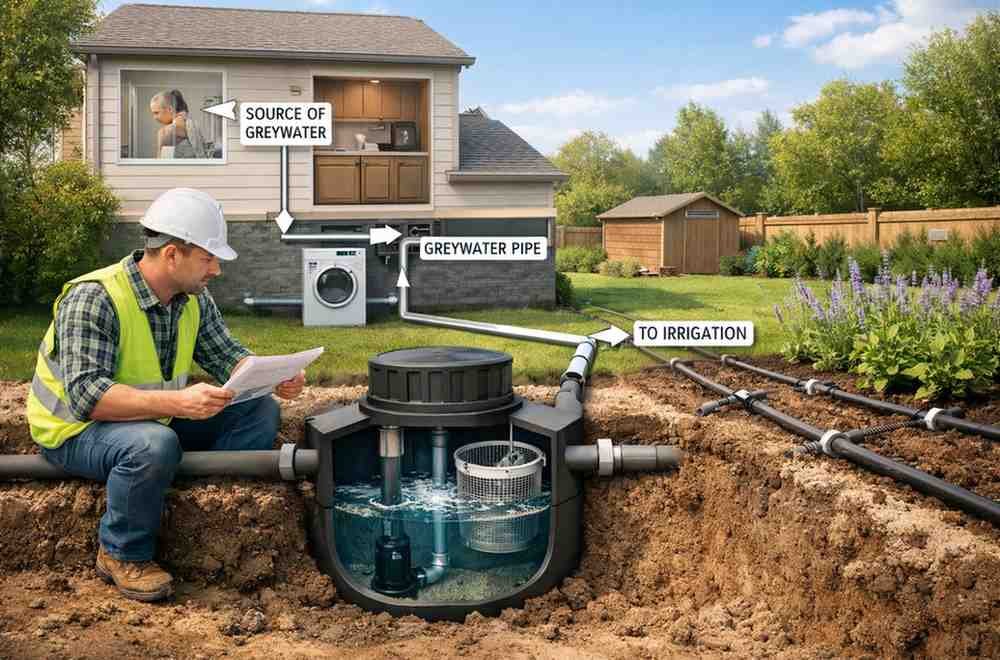
Greywater refers to wastewater that comes from non-toilet plumbing fixtures such as showers, bathroom sinks, and washing machines. Unlike blackwater, it contains no human waste, which makes it far easier and safer to treat for reuse. With proper filtration and disinfection, this water can serve many non-potable purposes.
In a typical home, a significant portion of indoor water use can be redirected as reusable greywater. That means landscapes can stay healthy without drawing on fresh drinking water. Commercial buildings, especially multi-unit developments, paving roads and driveways can see even greater impact due to higher daily water volumes. Builders who understand this potential can design smarter plumbing layouts from the start.
Key Components of a Reliable System
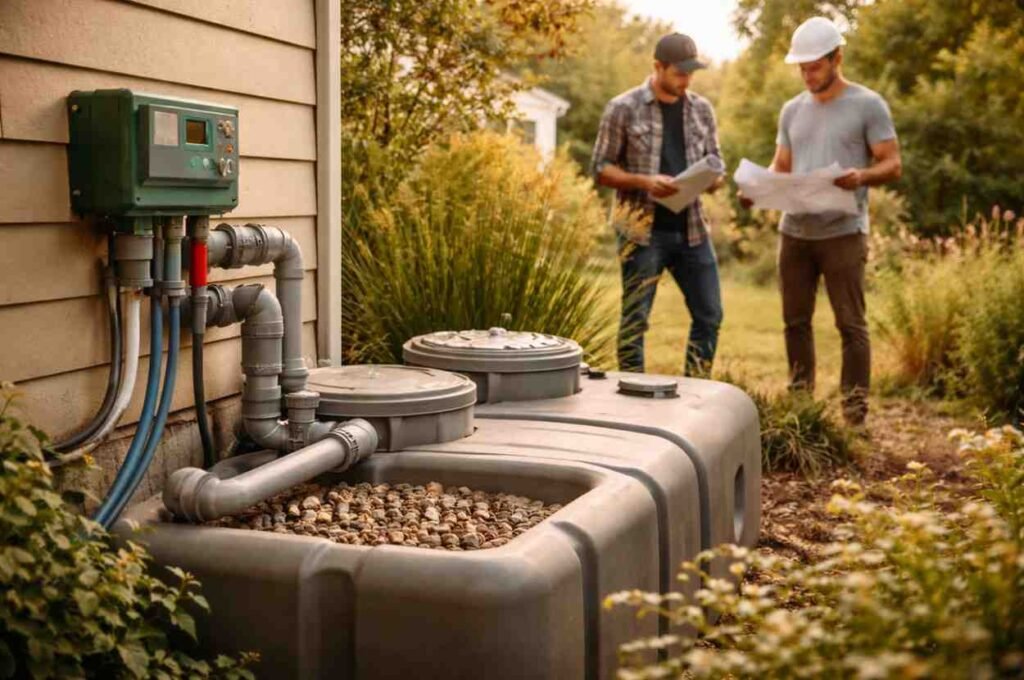
A dependable greywater setup relies on a few core elements working together. Collection lines must be clearly separated from blackwater drains, and storage tanks should be properly sized to match projected usage. Filtration, sediment removal, and basic disinfection are critical to ensure safe reuse.
Control systems also play a big role in overall performance. Automated diversion valves and sensors help prevent overflow and maintain smooth operation. High-grade pumps and durable materials extend the lifespan of the installation. Choosing robust components from trusted suppliers helps maintain consistent system efficiency over time.
Design Considerations for Builders
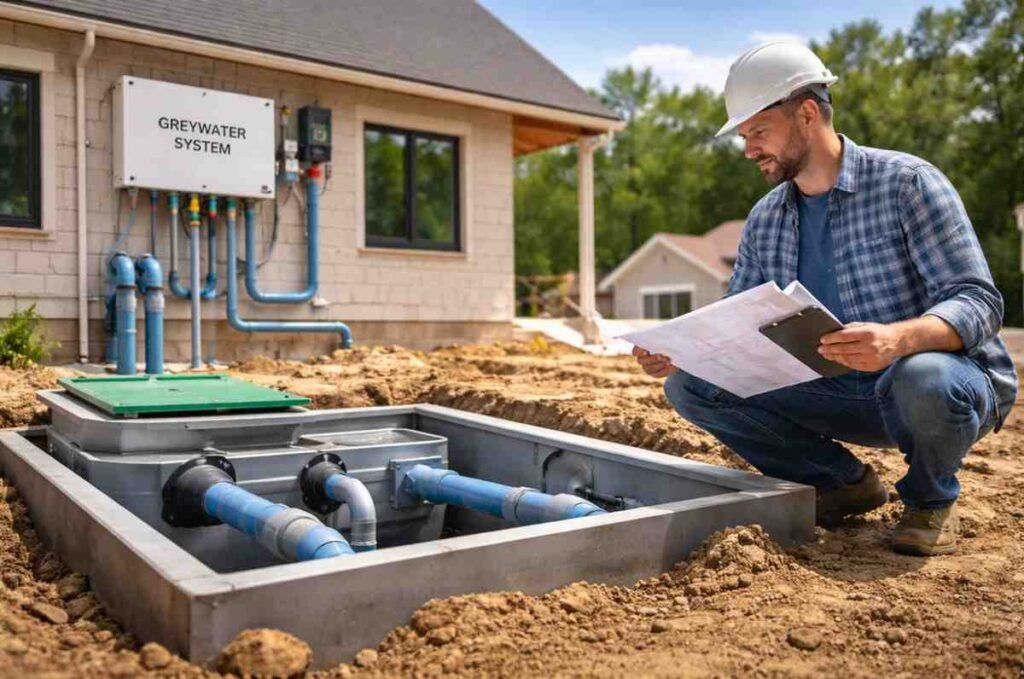
Planning for greywater reuse works best when it happens early in the design phase. Plumbing layouts should allow for easy separation of greywater sources and simple access for maintenance. Space must be allocated for tanks, filters, and control units without compromising usable floor area.
Local building codes and health regulations must also guide the design. Requirements vary by region, particularly around storage limits and permitted reuse applications. Builders who stay current with compliance standards avoid costly redesigns later. Clear documentation and proper labeling of recycled water lines also support safe operation.
Installation and Maintenance Best Practices
Even the best design can fail without proper installation. Skilled plumbing professionals should handle pipe routing, sealing, and system calibration. Attention to detail during setup helps prevent leaks, cross connections, and pressure issues.
Ongoing maintenance is equally important for long-term reliability. Filters need regular cleaning or replacement, and tanks should be inspected for sediment buildup. Simple maintenance schedules keep systems running efficiently and protect water quality. Offering clients clear maintenance guidance strengthens trust and long-term satisfaction.
Adding Value Through Sustainable Construction
Greywater reuse is more than a technical upgrade. It adds measurable value to modern developments. Lower utility bills, reduced strain on municipal supplies, and improved environmental credentials make properties more attractive to buyers and tenants.
Sustainability certifications and green building ratings often reward water recycling initiatives. Projects that incorporate water reuse strategies stand out in competitive markets. For builders, this can mean faster sales and a stronger brand reputation. Reliable water management facilities are increasingly seen as a mark of responsible construction.
Greywater recycling offers builders a practical path toward smarter water use and stronger project appeal. When planned carefully, installed correctly, and maintained consistently, these upgrades that enhance and deliver dependable performance and real cost savings. Incorporating quality greywater recycling systems into new builds supports sustainability goals while meeting growing client expectations. The key lies in thoughtful design, reliable components, and adherence to local regulations.