
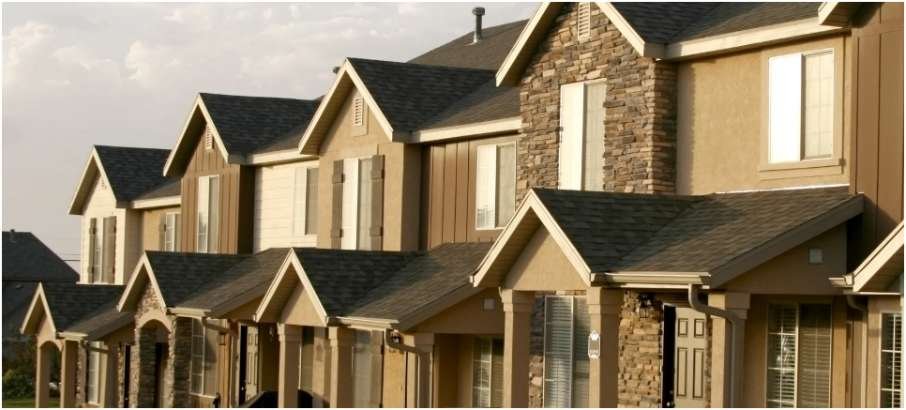
Buying a home is both an emotional decision and a financial investment, requiring focus on resale value for profit and liquidity. Townhomes are popular with first-time buyers and downsizers, offering a middle ground between single-family homes and apartments. Understanding market trends is crucial, as appreciation rates can vary.
Factors Influencing Townhome Resale Value
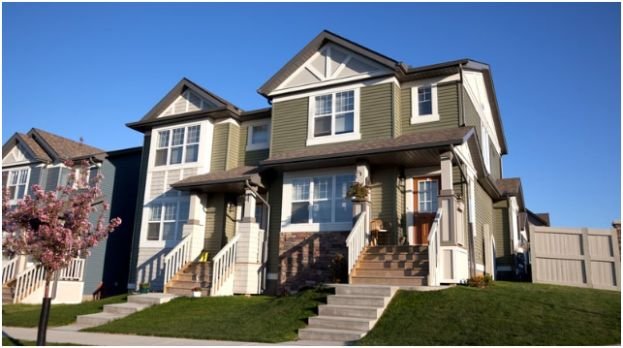
Predicting the future of real estate is impossible, but analyzing the fundamentals is not. Several concrete factors dictate how well a property holds its value over time.
The Power of Location
You have heard the mantra “location, location, location” a thousand times, but it applies differently to townhomes than to sprawling estates. Townhome buyers are often looking for convenience. They want the “lock-and-leave” lifestyle.
Consequently, proximity to amenities is a massive value driver. A unit within walking distance of coffee shops, transit lines, or parks will almost always outperform a similar unit isolated in a car-dependent corner of town.
Micro-location matters just as much. Within a specific complex, where is the unit situated?
- End Units: These are the gold standard. They typically have only one shared wall, more windows (more natural light), and often a larger yard or patio area. They consistently command a higher resale price.
- Views and Noise: A unit backing onto a serene greenbelt will sell significantly faster than the exact same floor plan backing onto a busy four-lane highway.
- Guest Parking: It sounds trivial until you have friends over. Units located near visitor parking spots are often more desirable than those buried deep in a complex with no extra parking nearby.
Size, Layout, and Usability
Square footage is a baseline metric, but functional space is what truly sells. A 1,500-square-foot townhome with a poorly designed, choppy layout will often feel smaller—and sell for less—than a well-designed 1,300-square-foot unit.
Open floor plans continue to dominate market demand. Buyers want sightlines from the kitchen to the living area. This layout facilitates social interaction and makes the limited footprint of a townhome feel spacious and airy.
Bedroom and bathroom counts are also critical distinctors. A two-bedroom, one-bathroom unit limits your buyer pool significantly. A two-bedroom, two-bathroom setup is standard, but a three-bedroom unit opens the door to young families and those needing dedicated home offices. In the post-pandemic world, that third room is often the deciding factor for buyers who work remotely.
Condition and Strategic Upgrades
There is a distinct difference between a “lived-in” home and one suffering from deferred maintenance. Resale value plummets when buyers spot water stains, cracked tiles, or worn-out carpets. These signal neglect and suggest that expensive, invisible repairs (like HVAC or plumbing issues) might be lurking.
When it comes to upgrades, not all renovations yield a positive return on investment (ROI).
- High ROI Upgrades: Kitchens and bathrooms sell homes. Modernizing cabinets, installing quartz or granite countertops, and updating lighting fixtures are safe bets. Hard surface flooring (hardwood or luxury vinyl plank) throughout the main living areas is widely preferred over carpet.
- Low ROI Upgrades: Highly specific personalization generally hurts resale value. Converting a garage into a home gym or painting walls in obscure, bright colors can alienate potential buyers.
Navigating Market Trends
Real estate markets are cyclical, but demographic trends tend to move in longer waves. Currently, two massive generations are driving townhome demand: Millennials and Baby Boomers.
Millennials are entering their prime home-buying years but are often priced out of single-family homes. Boomers are looking to downsize from large family estates into something with less yard work and lower maintenance.
This convergence creates high demand for townhomes that offer accessibility. Units with a master bedroom on the main floor are increasingly rare and incredibly valuable for aging buyers. Furthermore, as buyers look for affordability outside of major metropolitan cores, emerging markets are seeing rapid appreciation.
For example, a new townhome community in Payson might offer the perfect balance of affordability and access to nature, making it a smart play for future appreciation compared to an overpriced, older unit in a saturated city center.
Tips for Maximizing Your Investment
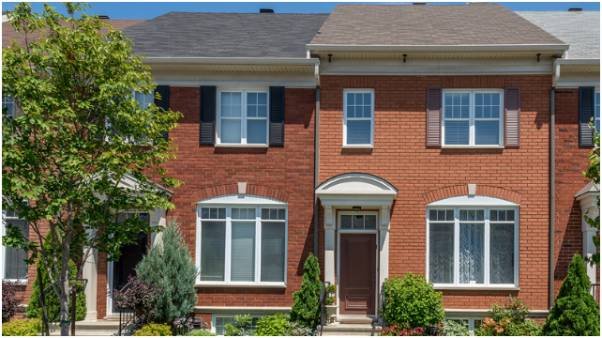
If you already own a townhome or are preparing to buy one, there are active steps you can take to ensure you are on the right side of the resale equation.
1. Scrutinize the HOA
In a townhome, the Homeowners Association (HOA) is your business partner. A poorly managed HOA can destroy resale value faster than a recession. Before buying, review the resale certificate and HOA meeting minutes.
- Reserve Funds: Does the HOA have enough money in the bank to cover a common roofing issues or paving repairs? If not, a “special assessment” could be coming. Buyers run away from assessments.
- Rules and Regulations: Restrictive rules (like banning all pets or preventing rentals) can shrink your pool of potential buyers. Conversely, an HOA that allows short-term rentals (like Airbnb) might increase value for investors but decrease it for owner-occupiers who hate the noise.
2. Focus on “Curb Appeal”
You might not own the exterior of the building, but you control the first impression. Keep your entryway pristine. A fresh coat of paint on the front door (if allowed), high-quality house numbers, and well-maintained potted plants create an inviting atmosphere before the buyer even steps inside.
3. Energy Efficiency
Modern buyers are cost-conscious. Upgrades that lower monthly utility bills are attractive selling points. Smart thermostats, LED lighting conversions, and energy-efficient windows suggest a modern, efficient home.
4. Keep It Neutral
When preparing to sell, depersonalize the space. You want the buyer to envision their life in the home, not yours. Neutral paint colors—whites, soft grays, and beiges—make spaces feel larger and cleaner. They provide a blank canvas that appeals to the widest possible audience.
5. Document Everything
Keep a binder of all repairs, maintenance, and upgrades, including receipts and warranties. When you can hand a potential buyer a record showing that the HVAC was serviced annually and the water heater is only two years old, you build immense trust. That trust translates into a willingness to pay full price.
Conclusion
Buying a home is an exciting decision, but focusing on location, layout, condition, and HOA health is key to protecting against market shifts. A well-built townhome in a desirable area retains value and attracts buyers. Prioritizing resale value builds equity for future goals, whether upgrading to a single-family home or turning it into a rental.