Traveling always sounds exciting until you start noticing where your money actually goes. Most people think flights and hotels are the biggest expenses, but in reality, food quietly eats a huge part of the travel budget. Coffee here, snacks there, a nice dinner, bottled water, desserts, and suddenly you realize you’re spending more on food than planned.
I learned this the hard way on a trip where I didn’t track food expenses at all. By the end of the trip, I had spent almost the same amount on food as I did on accommodation. That was the moment I understood that knowing how to save money on food while traveling is not about eating cheap food all the time. It’s about planning, habits, and making smarter daily decisions.
Change Your Eating Habits, Not Your Trip

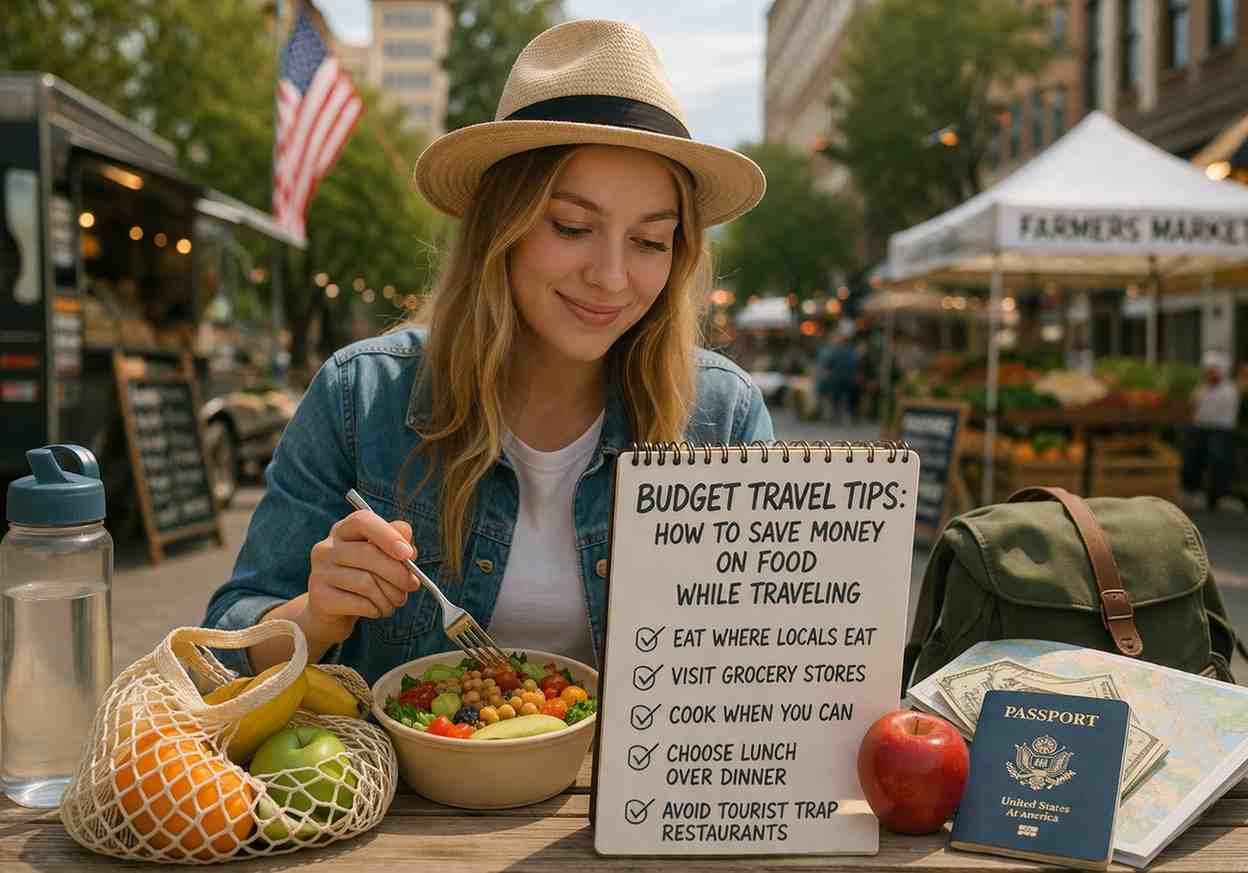
One of the biggest mistakes travelers make is eating like they are on vacation for every single meal. Restaurants three times a day will destroy your travel budget quickly. Smart travelers don’t avoid restaurants completely; they just change when and where they eat.
A very simple strategy is to make lunch your main meal instead of dinner. Lunch menus are often much cheaper than dinner menus, even for the same dishes. Many restaurants offer lunch specials that cost significantly less than evening meals.
Another important habit is to eat where locals eat instead of tourist areas. Restaurants near major attractions are often much more expensive. If you walk a few blocks away from crowded tourist streets, prices usually drop, and the food is often better, too.
Use Grocery Stores More Than Restaurants

One of the easiest ways to reduce your travel food budget is grocery shopping. You don’t always need a full kitchen to save money. Most grocery stores sell ready-to-eat food like sandwiches, salads, fruits, yogurt, and deli meals.
This works really well for:
- Breakfast
- Quick lunches
- Snacks
- Road trip meals
- Picnic meals
- Drinks and water
Buying simple food from grocery stores instead of eating every meal at restaurants can cut food costs almost in half during a trip. Many experienced travelers follow a simple rule: eat one restaurant meal per day and manage the rest with groceries or simple meals.
Book Accommodation That Includes Breakfast Or Kitchen

Accommodation choice can make a big difference in food expenses. Places with free breakfast or a small kitchen can save a lot of money over a longer trip.
If you have access to a kitchen, you don’t need to cook complicated meals. Even simple things like:
- Eggs
- Toast
- Pasta
- Sandwiches
- Instant oatmeal
- Ready-made meals
- Salads
Cooking just one meal per day can reduce food expenses significantly over a week-long trip.
Free breakfast is another huge advantage. Some travelers even take fruit or bread from breakfast for a light lunch later, which helps reduce daily food spending.
Street Food And Local Food Can Save A Lot Of Money
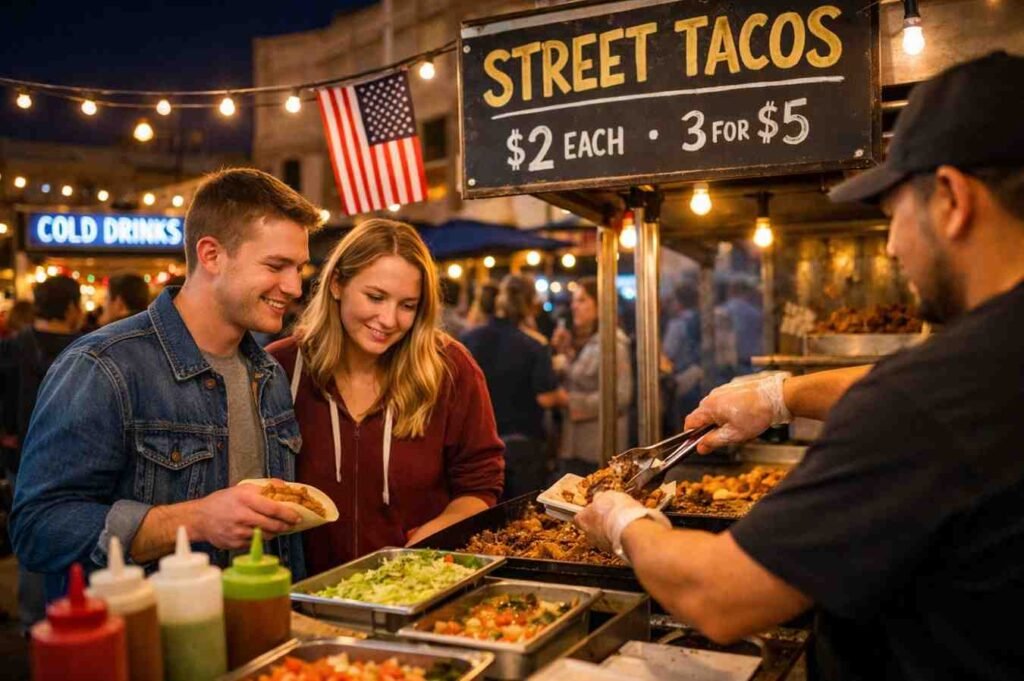
Street food is often one of the cheapest and most authentic ways to eat while traveling. Busy food stalls usually have fresh food and high turnover, which is a good sign. Local food markets, food trucks, and small takeaway places are often much cheaper than sit-down restaurants.
Another smart trick is sharing meals if portions are large. Many restaurants serve portions big enough for two people. Sharing meals or saving leftovers for later can reduce food costs without reducing food quality.
Watch The Small Expenses That Add Up
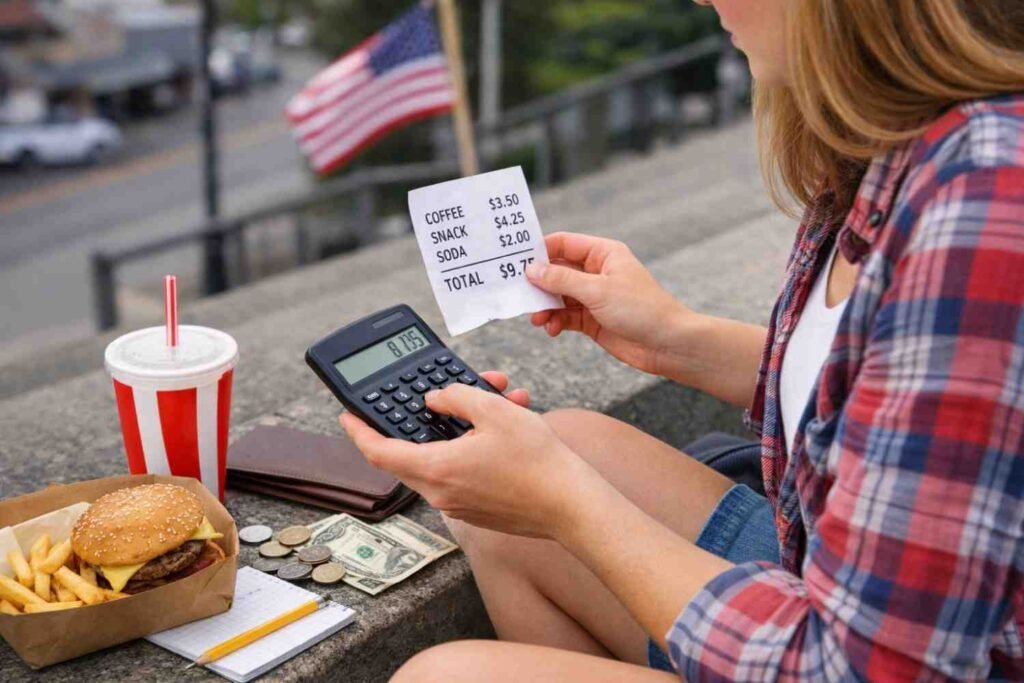
Many travelers overspend on food not because of meals, but because of small purchases throughout the day. These are the hidden food expenses that increase travel costs:
- Coffee multiple times a day
- Bottled water
- Snacks from convenience stores
- Desserts
- Soft drinks
- Alcohol
- Airport food
- Hotel snacks
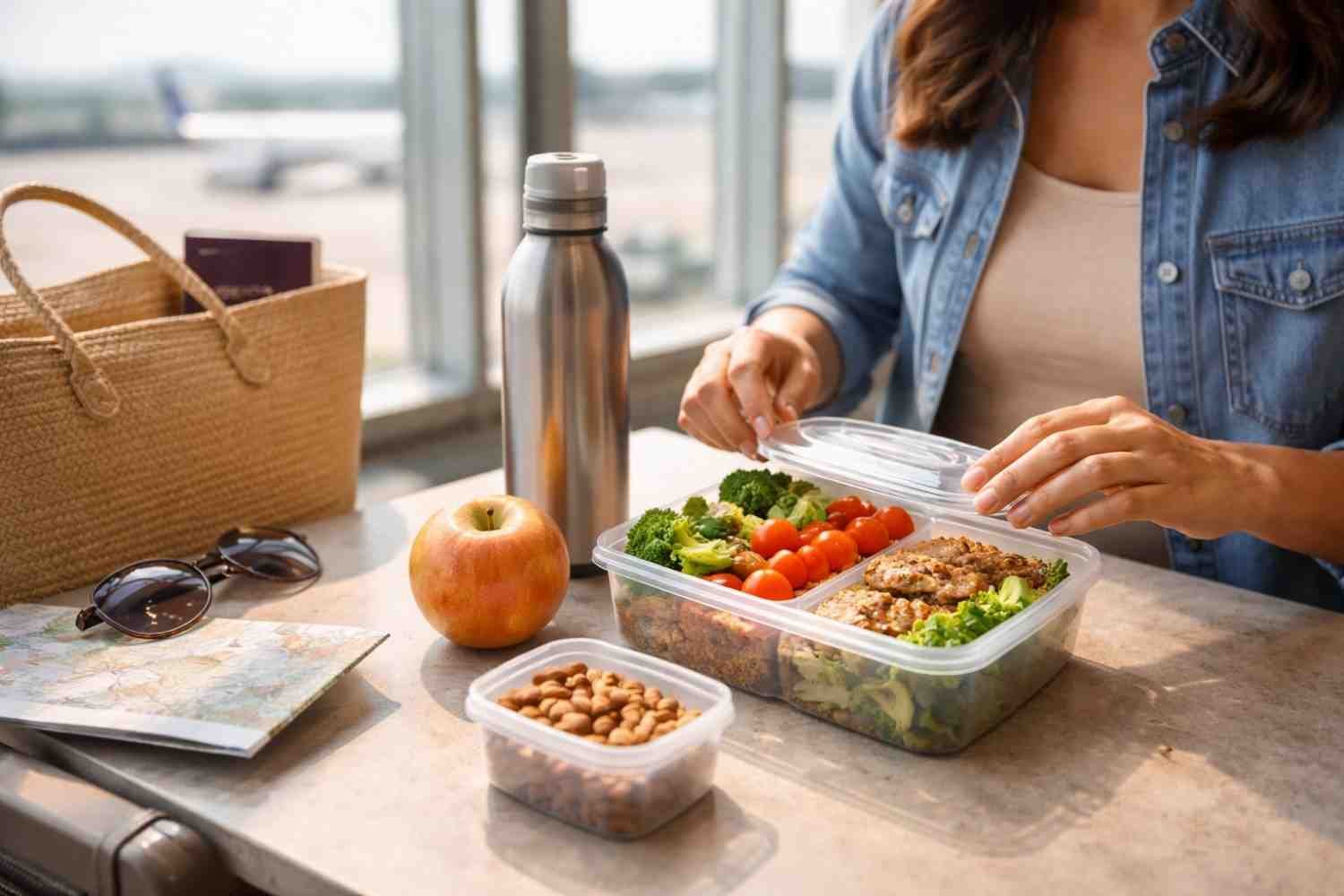
Carrying a refillable water bottle and packing snacks like granola bars, nuts, or dried fruit can save a surprising amount of money over a long trip.
Plan A Simple Daily Food Strategy
Instead of deciding where to eat every time you get hungry, it helps to have a simple daily food plan. Experienced budget travelers often follow a routine like this:
- Breakfast: Free hotel breakfast or grocery food
- Lunch: Restaurant lunch special or local food
- Snacks: Grocery store snacks
- Dinner: Simple meal, takeaway, or cooked food
- Drinks: Grocery store instead of restaurants
This kind of simple food tourism travel keeps food spending under control without feeling like you’re restricting yourself.
FAQs: Budget Travel Tips: How To Save Money On Food While Traveling
1. How much should I budget for food while traveling?
Food budgets vary, but many travelers try to keep food costs around a daily budget by mixing grocery meals, street food, and one restaurant meal per day.
2. Is it cheaper to cook while traveling?
Yes, cooking even one meal per day can significantly reduce travel food expenses, especially on longer trips.
3. Is street food safe while traveling?
Street food is usually safe if you choose busy stalls with high customer turnover and freshly prepared food.
4. How do I avoid expensive tourist restaurants?
Walk a few blocks away from major tourist attractions and look for restaurants where locals are eating.
Final Thoughts
Saving money on food while traveling is not about being cheap or skipping good meals. It’s about being intentional with where your money goes. When you start mixing grocery meals, local food, lunch specials, and simple planning, you realize you can eat well and still stay within your travel budget. Most experienced travelers don’t spend less because they eat worse, they spend less because they eat smarter.
Once you build these habits, you’ll notice that your trips become longer, less stressful financially, and much more sustainable.