

I was scrolling through a health blog last week when I stumbled upon something that piqued my interest—is vezyolatens are safe to eat? The term was unfamiliar, and honestly, I thought it was a new superfood making waves. My curiosity got the best of me, and I clicked to find out more. What I found was a lot of uncertainty.
Some people were claiming it had major health benefits, while others were questioning its safety. So, I decided to do what any curious person would do: dive deep and find out if vezyolatens are really safe to eat.
Turns out, I wasn’t the only one confused. The term “vezyolatens” doesn’t seem to be a recognized food or ingredient in any official scientific, medical, or culinary databases. So, what’s the deal? Are they safe to eat, or is this just some sort of mix-up? Let’s explore everything you need to know.
What Are Vezyolatens? A Closer Look
If you’re scratching your head and wondering, “What on earth are vezyolatens?” you’re not alone. After doing some research, I found no official records of vezyolatens as a recognized food, chemical, or pharmaceutical ingredient. It’s possible that “vezyolatens” is a misspelling, a regional term, or even a niche supplement that hasn’t yet reached widespread recognition.
The first step in answering the question of whether they are a safe food choice is figuring out exactly what they are. If you’ve seen the term on a food label, it could be referring to an obscure ingredient, a misspelling of something else, or maybe even a product that hasn’t yet been officially recognized or approved for widespread consumption. Without any scientific, medical, or culinary backing for the term, the safety of vezyolatens remains unclear.
Is Vezyolatens Safe to Eat? The Safety Concerns
So, now that we know there’s little official information on vezyolatens, what about their safety? The first rule when considering anything new or unfamiliar is to look for any potential risks. If you’re thinking about trying a new ingredient or product, here’s what you need to keep in mind:
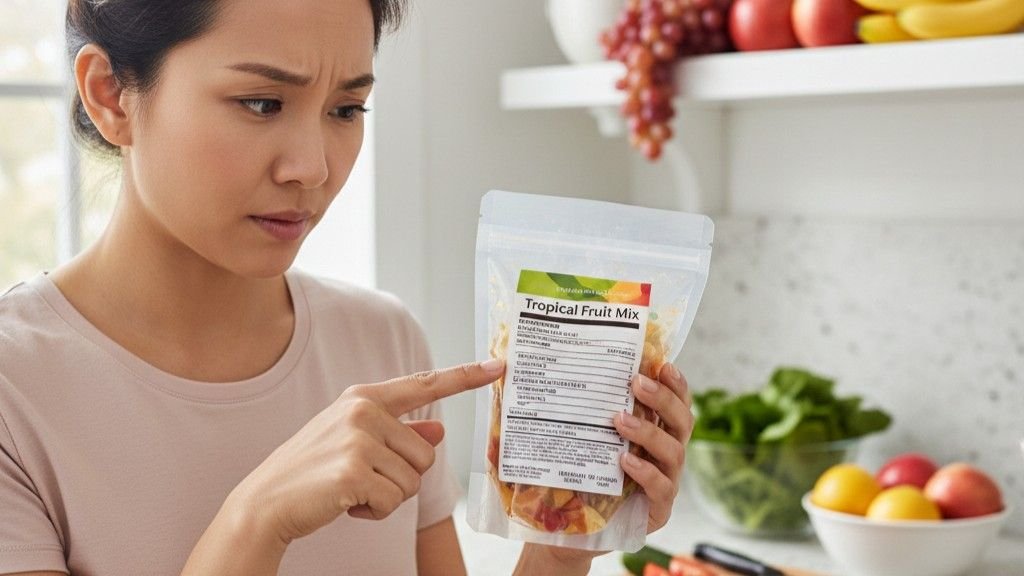
1. Check the Spelling
If you’ve come across vezyolatens in a food product, it’s a good idea to double-check the spelling. It’s possible that this is a typo or a misunderstood term. For instance, similar-sounding ingredients like “vesiculin” or “veza” might be more commonly recognized in the food and health industries.
2. Verify the Source
If vezyolatens is indeed a legitimate ingredient, verify where it’s coming from. Does the source indicate any regulatory approval? For food items, check if it has been recognized by the FDA’s Generally Recognized as Safe (GRAS) list. If it’s a supplement or a niche product, check for any certifications or approvals that confirm its safety.
3. Consult a Professional
When in doubt, it’s always best to ask a healthcare professional before consuming any unfamiliar substance. If vezyolatens is a supplement or ingredient, a doctor or nutritionist can provide more insight into whether it’s safe to consume based on your individual health needs.
The Best Way to Approach New Ingredients
When it comes to trying new foods, supplements, or products, it’s important to follow a cautious and informed approach. Here’s a step-by-step guide on how to safely evaluate new ingredients like vezyolatens before adding them to your diet:
1. Look for Credible Information

Start by researching any available information about the ingredient. Look for studies, credible food safety certifications, or regulatory body approvals that confirm its safety. In the case of vezyolatens, you may find little to no information, so it’s important to be cautious.
2. Check for Allergens
If you are trying something new, especially an exotic ingredient, check whether it contains common allergens. If you’re allergic to citrus, for example, vezyolatens might not be the best choice if they share some similarities with citrus fruits.
3. Test in Small Quantities
If you’re still determined to try vezyolatens and can’t find any definitive safety information, start by consuming a small amount. This will allow you to monitor your body’s reaction and see if any adverse effects arise.
4. Consult with a Health Professional

If you are unsure about the safety of vezyolatens or any unfamiliar food, your best bet is to consult with a healthcare professional who can guide you based on your personal health and dietary guidelines.
Frequently Asked Questions
1. Are vezyolatens safe for kids?
Since there’s little known about vezyolatens, it’s important to exercise caution when introducing any new food to children. Always check the ingredient’s source and confirm it’s free from allergens or harmful additives. If you’re unsure, it’s a good idea to consult a pediatrician before offering it to kids.
2. Can vezyolatens cause an allergic reaction?
Like any unfamiliar food, vezyolatens could cause allergic reactions, especially if they share properties with other known allergens. If you have a history of food allergies, particularly to citrus fruits or tropical foods, it’s advisable to approach vezyolatens cautiously and try a small sample first.
3. Where can I buy vezyolatens?
As of now, vezyolatens don’t appear to be available through mainstream grocery stores or food markets, especially in the US. If you’ve encountered them online or at a niche market, ensure that the source is reputable and that you can verify its safety and ingredients before purchasing.
4. Are vezyolatens considered a superfood?
While vezyolatens are being mentioned by some bloggers and health influencers, there is no solid evidence supporting the claim that they are a “superfood.” Before labeling something as a superfood, it’s important to look for scientific studies that validate its health claims.
Should You Eat Vezyolatens?
At the end of the day, if you’re wondering, “Is vezyolatens safe to eat?” the answer isn’t clear-cut. There’s a lack of reliable, scientific information about vezyolatens, which means you should approach with caution. While they might be perfectly safe, especially if they’re a minor ingredient or misspelling of something else, it’s important to verify their source and consult professionals if you’re unsure.
If you do decide to try vezyolatens, start small and monitor how your body reacts. Until more credible information becomes available, it’s best to err on the side of caution. Now, go forth and mindfully eat with knowledge! Keep exploring new ingredients, but always prioritize your health and safety.