
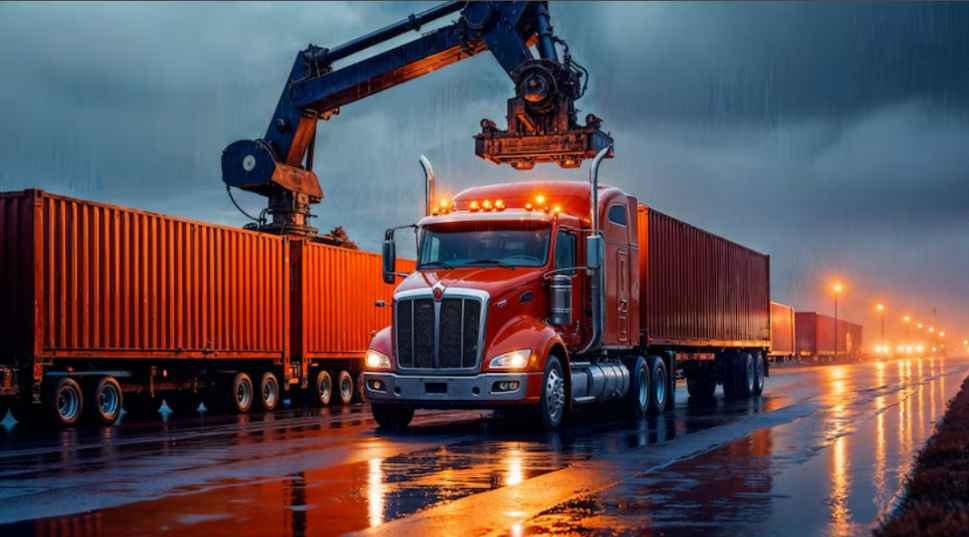
Oversized transport logistics is a critical sector in the world of freight and conveyance of large-scale machinery and equipment. The management of such operations goes beyond mere transportation; it involves meticulous planning, execution, and adherence to stringent regulations.
In this article, we examine the intricacies of heavy haulage and the considerations that companies must make to ensure the safe, efficient, and legal movement of oversized loads.
Understanding the Scale of Oversized Transport
When it comes to heavy haulage, the term ‘oversized’ refers to cargo that exceeds the standard legal dimensions and weight that can be transported on public roads. These could be large vehicles, construction machinery, industrial equipment, or components for energy sectors such as wind turbines.
The transportation of these items is not only about the cargo itself but also about the impact it can have on the infrastructure it moves through.
Legal Framework and Permissions
Oversized transport requires more than the usual legal clearances. Operators must acquire special permits that account for the size, weight, and nature of the load. These permits are not universal; they vary by region, route, and even the time of day or year.
Such diligence ensures that the cargo does not compromise road safety and complies with local and national regulations.
Strategic Planning and Route Selection
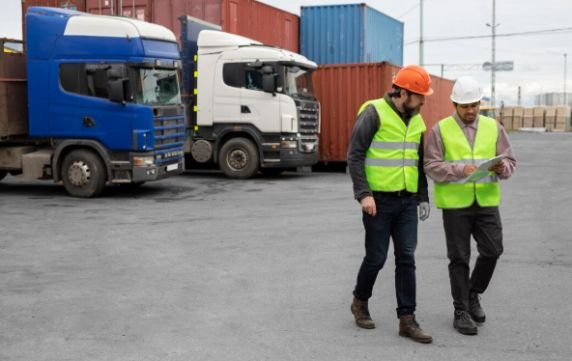
One of the most intricate aspects of oversized transport logistics is the planning phase. Route selection is critical – it’s not simply about measuring distances.
Planners must consider a multitude of factors including road width, bridge load capacities, and overhead obstacles like power lines or overpasses. Any misstep can lead to costly delays or damage to both the load and the environment.
The Importance of Equipment and Vehicles
The choice of transport equipment is pivotal in heavyweight cargo logistics. Specialised trailers and trucks are required to accommodate the unique demands of oversized loads. These vehicles must not only support the weight but also facilitate the stability and manoeuvrability of the freight.
Competent Personnel and Expertise
Another cornerstone of successful heavy haulage is the expertise of the personnel involved. It requires operators and drivers with specific training to handle the extraordinary requirements of transporting oversized items. Even the most meticulous planning could be rendered futile without the skilled execution by experienced professionals.
Coordination with Authorities and Escorts
The transportation of oversized loads often requires coordination with authorities to manage the impact on traffic and public safety. In many cases, pilot or escort vehicles are necessary to ensure that the transport proceeds without incident. These vehicles warn other road users and assist with any immediate adjustments needed on the route.
Contingency Planning for Oversized Transport
With heavy haulage, even the best-laid plans can face unforeseen challenges. Road conditions may change, weather can turn, or mechanical failures could occur.
As such, contingency planning is integral to the logistics of oversized transport. Companies must be prepared with alternative routes, backup equipment, and emergency response strategies.
The Impact of Technology in Heavy Haulage
The role of technology cannot be overstated in modern heavy haulage operations. Advanced GPS tracking unit, route planning software, and vehicle performance systems have revolutionised the planning and monitoring of oversized transport.
This technology ensures precision and provides real-time updates, which are crucial for managing the risks associated with oversized loads.
Training and Regulatory Updates
Due to the evolving nature of regulations and technological advances, ongoing training and staying abreast of industry changes are essential for those involved in oversized transport logistics. Continuous improvement protocols and a strong commitment to learning are characteristics of leading companies in this field.
Environmental Considerations
Now more than ever, there is a growing emphasis on the environmental impact of transportation, including heavy haulage. Efficient route planning and modernisation of equipment not only maximise safety and reduce costs but also help to lower emissions and reduce the carbon footprint of transport projects.
International Heavy Haulage Challenges
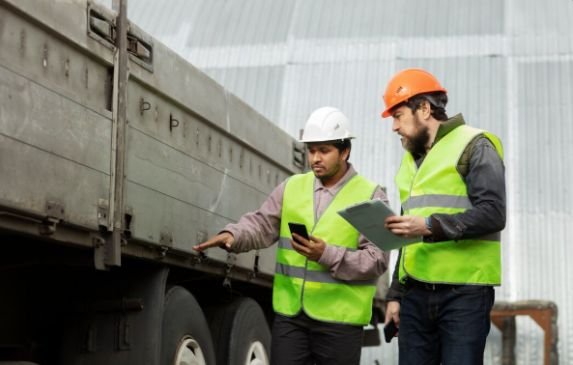
When oversized transport crosses international borders, logistics become even more demanding due to the variation in rules and infrastructure between countries. Navigating these differences requires a deep understanding of international transport laws and a capable network of global partners.
Concluding Thoughts on Oversized Transport
The art of oversized transport logistics is complex and requires a high level of proficiency in various disciplines, including planning, execution, and regulatory compliance.
Companies like National Heavy Haulage specialise in providing these intricate services, ensuring that even the most cumbersome of loads reach their destination safely and efficiently.
Whether it’s moving a giant excavator or transporting parts for a new wind farm, the successful shipment of oversized items is an impressive feat that enables industries around the world to thrive.
In conclusion, mastering heavy haulage calls for an exceptional blend of expertise, technology, and adherence to best practices in logistics and coordination.
Successful oversized transport is not just about moving objects from point A to point B; it’s about understanding every nuance of the task to secure a high standard of service, safety, and satisfaction for all stakeholders involved where experience matters when choosing a service.