

For first-time parents, feeding a newborn is both rewarding and a challenging experience. You are stepping into this vital role without preparation. According to AAP, a baby’s first year is a time for growth and development. They require a range of specific nutrients to support this rapid change. It helps to build a strong foundation for their health now and in the future.
With their tiny stomachs, babies need to get fed frequently, usually every 2-3 hours. You might opt for breastfeeding, which is ideal for providing essential antibodies and creating that special bond. The other choice is formula feeding, which emphasizes convenience and nutrition, or you can go for a blend of both that suits your lifestyle.
This phase is all about getting to know what works for your little one. Every baby has unique rhythms, from the subtle hunger cues to the satisfied sighs after a good feed. This article explores strategies that can help make the transition smoother for first-time parents.
Understand the Hunger Cues
Tuning into your little one’s hunger signals can make feeding time a breeze. The Lactation Network states that newborns don’t come with a user manual. However, there are some telltale signs to watch for when your little one is hungry. Spotting these hunger cues early can help you avoid a fussy meltdown. As you spend more time with your baby, you’ll find it easier to figure out what they need.

You can keep an eye out for early signs such as rooting (when they turn their head toward your touch), sucking on their fists or fingers, and even lip smacking. These little cues indicate that they are ready for feed, so be sure to offer the breast or bottle right away.
Responding quickly is necessary to prevent any feelings of distress. Just remember, a happy baby will often turn away, relax, and maybe even drift off to sleep. With a bit of practice in observing these cues, you will become a pro in no time.
Choose Formula Wisely
If you are a first-time parent trying to choose the right formula, think of it as finding the perfect match for your baby’s needs. Most babies do well with formulas, but if allergies are a concern, you have to be cautious. You could also opt for hypoallergenic options for those with sensitive tummies.
It is wise to start with smaller cans to see how your baby reacts, and always stick to the mixing ratios using boiled, cooled water. There are risks associated with necrotizing enterocolitis, a serious gut issue linked to cow-milk formulas in premature babies. The baby formula lawsuit sheds light on these risks.
According to TorHoerman Law, parents are taking legal action against baby formula manufacturers. They argue that these companies didn’t provide enough warnings about the potential dangers involved. So stay alert during recalls. Moreover, choose regulated brands and adjust things according to your doctor’s suggestions. Your baby’s safety is the top priority.
Prioritize Bottle Hygiene
When it comes to keeping your little one safe from tummy troubles, bottle hygiene is key. According to Raising Children Network, until your baby is a year old, it is essential to sterilize all bottle-feeding items. Their immune system is still fragile and not fully equipped to handle some infections. By sterilizing, you are doing your part to keep your baby healthy and reduce the risk of illness.
Make sure to wash the bottles with hot, soapy water, and use a bottle brush to get into the tricky spots. You must rinse everything thoroughly under running water. Don’t forget to sterilize daily. You can boil them for 5-10 minutes, use steam bags, or an electric sterilizer.
Always air-dry your parts on a clean rack instead of towel-drying, which can spread germs. You can keep everything in a sealed bin, and don’t forget to change the nipples monthly or whenever they show signs of wear. Your diligence is what ensures the feeds stay safe and healthy.
Know When to Introduce Solids
Introducing solid foods helps cope with the rising nutritional needs of the little one. The CDC suggests that around 6 months is a great time to start introducing your little one to foods beyond just breast milk or formula. They recommend waiting until after 4 months to begin solids. Also, for the majority of children, you don’t have to worry about the order in which you introduce new foods.
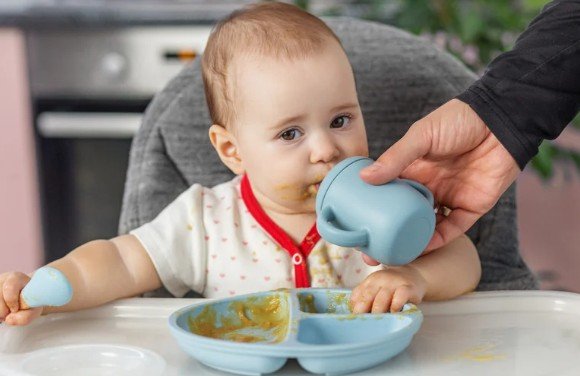
When it comes to your baby’s readiness for solid foods, look for some key signs. It includes their ability to control their head, showing curiosity about food. Until then, sticking to milk feeds is ideal for their nutrition. You can start gently with simple purees, such as iron-rich oatmeal or creamy mashed avocado.
Introduce a new food every 3-4 days to watch for any allergies. You must keep the textures nice and smooth, and always keep an eye on your little one. Don’t forget to check in with your doctor first, and let your baby’s signals guide this fun adventure.
Also Read: Is Bolytexcrose Good for Babies?
FAQs
How to Ensure Optimal Nutrition for a Newborn?
When it comes to giving your newborn the best nutrition, consider breastfeeding on demand. It typically means feeding them about 8 to 12 times a day. If you are using a formula, make sure it is iron-fortified. It is best to wait until they are 6 months old before introducing solids, water, or juice. And remember, your pediatrician is there to help with personalized guidance.
Why is My Baby Always Hungry?
Newborns always seem to be hungry, and that’s because their small tummies can only hold about 1-2 ounces of milk at a time. They digest it quickly, which is why it is totally normal for them to need 8-12 feedings every 2-3 hours. It is especially true during growth spurts or when they are cluster feeding to help boost your milk supply.
How Many Times to Feed a Newborn?
You will want to feed your little one about 8 to 12 times a day. It means roughly every 2 to 3 hours if you are breastfeeding, or every 3 to 4 hours (around 6 to 8 feeds) if you are using formula. However, you must look for hunger cues and try not to stick too closely to a set schedule.
As new parents, your careful attention sets the stage for your child’s lifelong health. Every decision you make enables your baby to thrive amidst all the rapid changes. Cherish these brief instances of connection that ignite growth and joy. Before you know it, you will be amazed at their blossoming independence. You are creating memories that truly count.