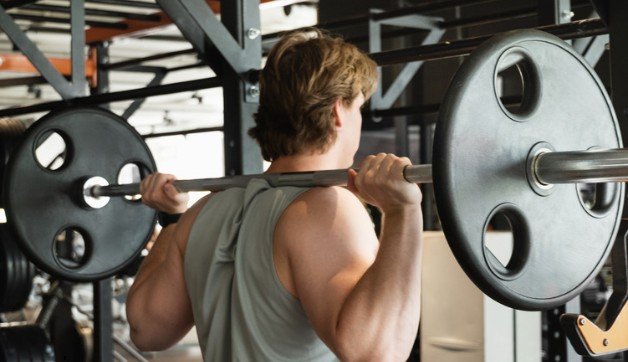

Contact sports are a great way to stay fit and work as a team, but they also carry a high risk of injury. While athletes often protect their heads, shoulders, and knees, they can sometimes overlook dental safety. The teeth and jaw are vulnerable during sports, and a single impact to the face can lead to chipped or broken teeth, gum injuries, or even a broken jaw. These injuries are often painful and can require extensive dental work.
One of the most effective ways to prevent oral injuries is by using protective gear like a mouthguard. This simple device cushions impacts and shields the mouth from sudden blows. By prioritizing dental protection, athletes can enjoy their sport while minimizing the risk of serious oral health problems.
Common Dental Injuries in Contact Sports
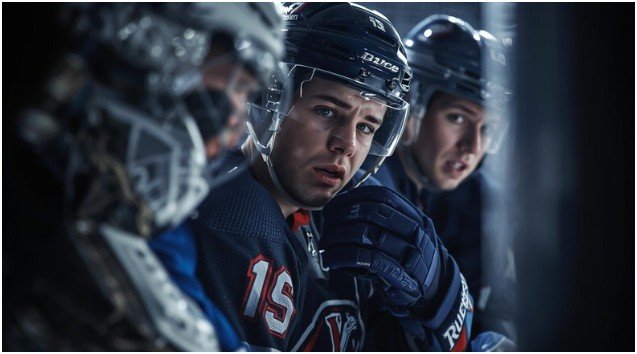
In many sports, players move quickly and frequently collide with teammates, opponents, or equipment. These situations can easily lead to injuries involving the mouth and teeth.
Some of the most common dental injuries seen in contact sports include:
- Chipped or cracked teeth
- Knocked-out teeth
- Cuts inside the lips or cheeks
- Jaw injuries
- Damage to dental restorations
These injuries are common in sports like football, boxing, hockey, martial arts, basketball, and even skateboarding. Any activity with physical contact or potential falls poses a risk to the mouth. A mouth protector helps reduce the impact of blows to the face and jaw by absorbing and distributing the force. This can prevent many common dental injuries in sports.
How Mouth Protectors Work
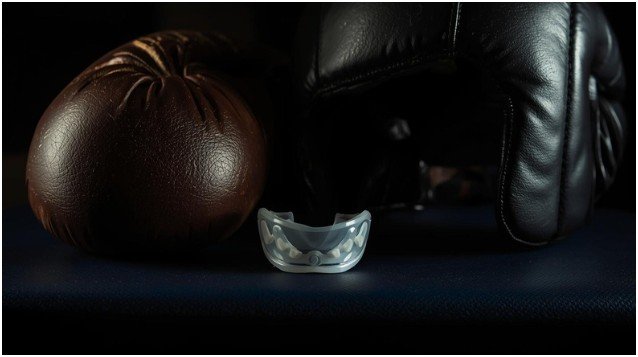
Mouth protectors act as a cushion between the upper and lower teeth, protecting the jaw and surrounding soft tissues. They are usually made from flexible, shock-absorbent materials. When an athlete takes a hit to the face, the mouthguard spreads the force of the blow over a larger area, reducing the risk of teeth cracking, breaking, or colliding.
A mouth protector for sports also protects the soft tissues inside the mouth, like the lips, cheeks, and tongue, which can easily be cut if the teeth slam together. The guard creates a barrier that prevents these injuries, making it an essential piece of sports safety equipment.
Enhancing Athlete Confidence and Performance
When athletes feel safe, they perform more confidently during training and competitions. A mouthguard provides peace of mind, allowing them to focus on skills and strategy instead of worrying about dental injuries. Knowing their teeth and jaw are protected lets players compete aggressively without fear.
A properly fitted mouthguard stays securely in place while allowing athletes to breathe comfortably and communicate with teammates. When protective equipment fits well, athletes can concentrate fully on their game. This boost in confidence and safety helps improve overall athletic performance.
Protecting Young Athletes

Young athletes are especially vulnerable to dental injuries because their teeth and jaws are still developing. A strong impact can lead to long-term dental problems without proper mouth protection. Encouraging young athletes to wear mouthguards early helps build safe habits that can last throughout their athletic careers.
Parents, coaches, and trainers should emphasize the importance of using a mouthguard during both practices and games. Children and teenagers who learn the value of safety equipment are more likely to continue using it as they advance in sports, preventing injuries and protecting their long-term dental health with the help of a professional dentist and skilled healthcare staff.
Choosing the Right Mouth Protection
Not all mouth protectors provide the same level of comfort or protection. Choosing the right equipment is important to ensure effectiveness.
A quality mouth protector should:
- Fit securely around the teeth
- Stay in place during movement
- Allow easy breathing
- Provide adequate cushioning for impacts
Athletes should regularly check their mouth protectors for wear or damage and replace them when necessary. A worn guard may not provide adequate protection, so maintaining equipment is essential for consistent safety during practices and competitions.
Conclusion
Contact sports are exciting and competitive, but they come with the risk of serious injury. Dental injuries can happen in an instant and have lasting consequences. Skilled dentists not only can handle dental emergencies but also can fix crowded teeth and many other dental issues young athletes face. Using equipment like a mouthguard greatly reduces the chances of chipped teeth, jaw injuries, and damage to the soft tissues of the mouth.
This small piece of gear can make a big difference in preventing painful and costly dental work. Athletes who prioritize dental safety can compete more confidently. Protecting your mouth should be an essential part of every athlete’s safety routine.