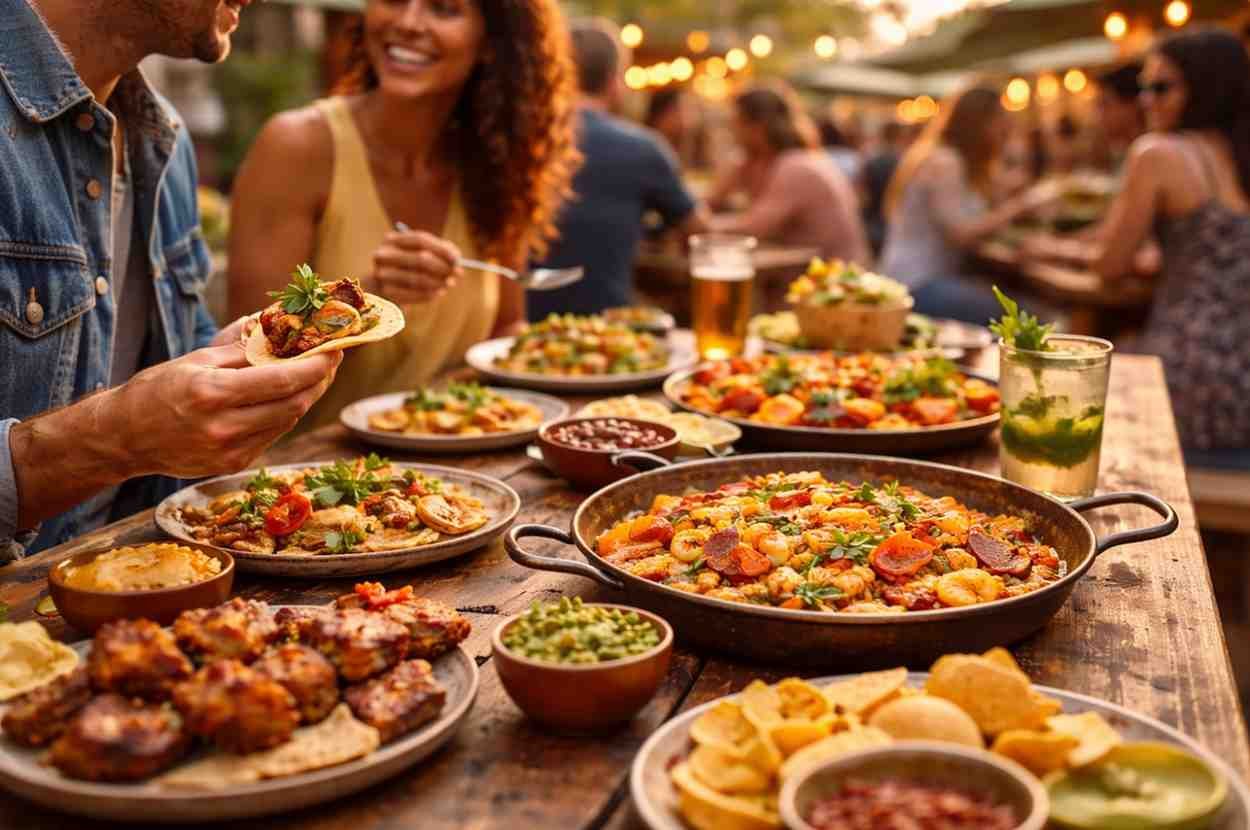
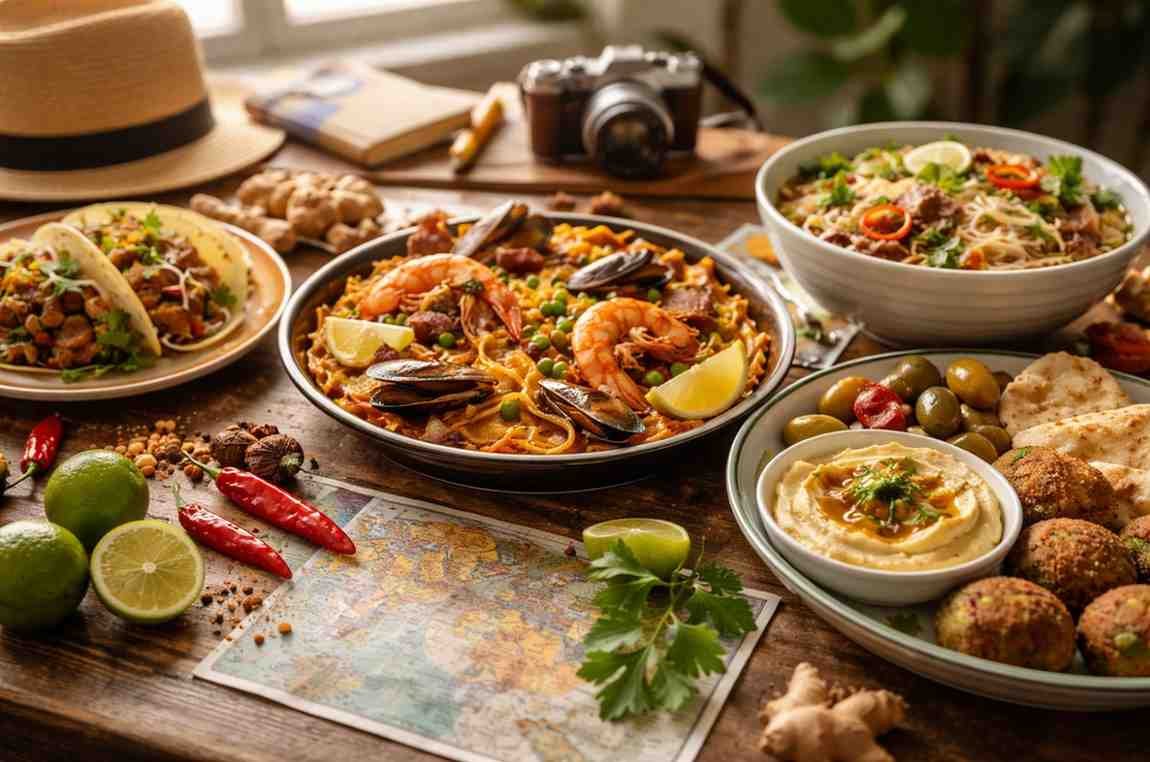
I used to think travel was about landmarks, museums, and famous streets. But over time, I realized the places I remembered the most were not monuments. They were small restaurants, street food stalls, local markets, and meals shared with people who lived there. Food slowly became the way I understood places, not just visiting them.
When you travel through food culture, you don’t just eat different dishes. You understand how people live, what they grow, how they celebrate, and what matters to them. Food becomes a story, and every meal becomes a small cultural experience. That is when travel starts to feel real, not just like sightseeing.
Why Food Is the Best Way to Experience Culture
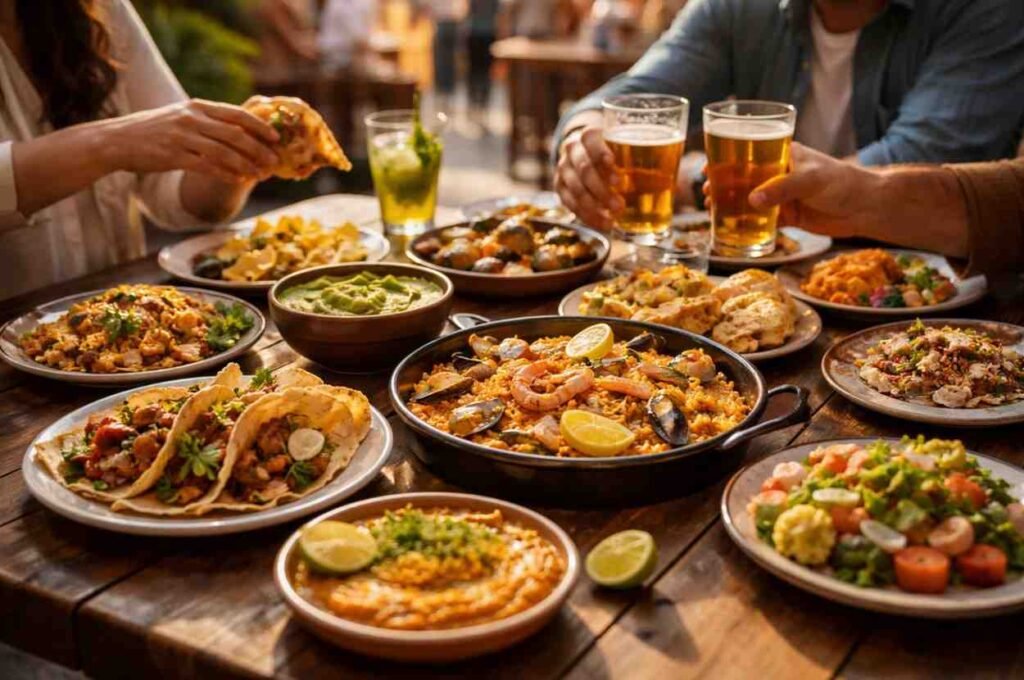
Food is part of everyday life, which means it reflects history, geography, migration, and traditions. You can learn more about a place from its food than from many tourist attractions. Ingredients tell you what grows locally, recipes tell you about traditions, and cooking methods often come from history.
Food and culture are deeply connected. Regional cuisine often exists because of climate, trade routes, or cultural influences over time. When you eat traditional dishes, you are often eating recipes that have existed for generations.
Food travel experiences are also more personal. You interact with vendors, restaurant owners, farmers, and local families. These small conversations often become the most memorable parts of travel.
Move Beyond Restaurants and Try Culinary Immersion
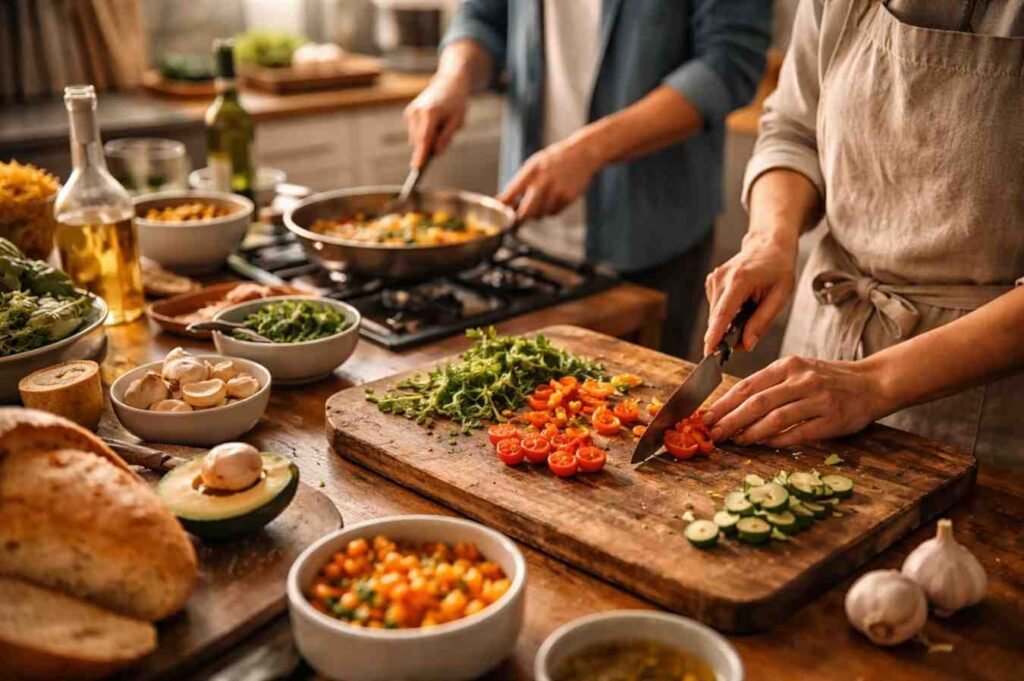
The best way to travel through food culture is not just eating at restaurants every day. It is about culinary travel experiences where you actively participate in food culture.
Some of the best cultural travel experiences happen when food becomes an activity, not just a meal.
Try Hands-On Cooking Classes
Cooking classes are one of the most immersive local food experiences. Many cooking classes start with a visit to food markets where you learn about local ingredients, spices, and seasonal produce. Then you cook traditional dishes with local instructors who often share family recipes and cultural traditions.
This helps you understand food preparation, ingredients, and why certain dishes are important in that culture.
Dine With Locals Instead of Tourists
Eating at local homes or small neighborhood restaurants gives a very different experience than tourist areas. When locals cook, food is often more traditional and less adjusted for visitors.
Eating with locals also teaches you:
- How meals are shared
- Food etiquette and traditions
- Regional variations of dishes
- Family recipes and food stories
These experiences help you truly eat like a local.
Explore Markets, Street Food, and Food Neighborhoods
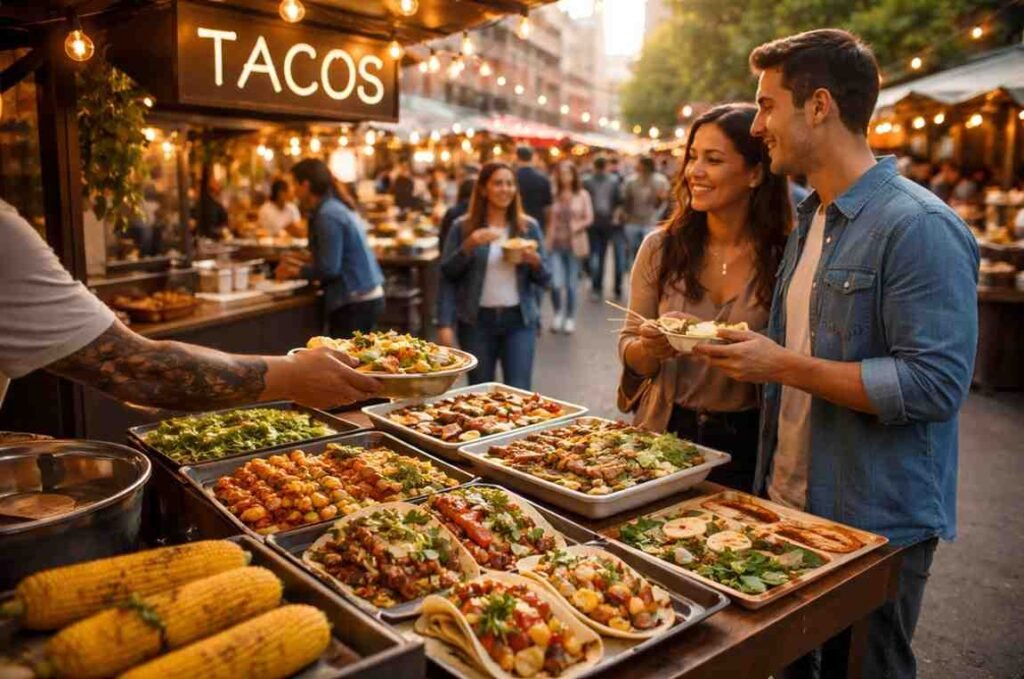
If you want to understand food culture around the world, markets are one of the best places to visit. Farmers’ markets and local food markets show what people actually eat daily, not just what is served in restaurants.
Markets are often the center of food culture because they show:
- Local ingredients
- Seasonal produce
- Regional spices
- Traditional snacks
- Daily food habits
Street food culture is another important part of food tourism. Street food is often more authentic because it is made for locals, not tourists. It is usually simple, traditional, and full of local flavors.
Food neighborhoods are also great places for culinary travel. Many cities have areas known for specific cuisines, immigrant food culture, or traditional food businesses that have existed for decades.
Follow Food Trails and Food Festivals
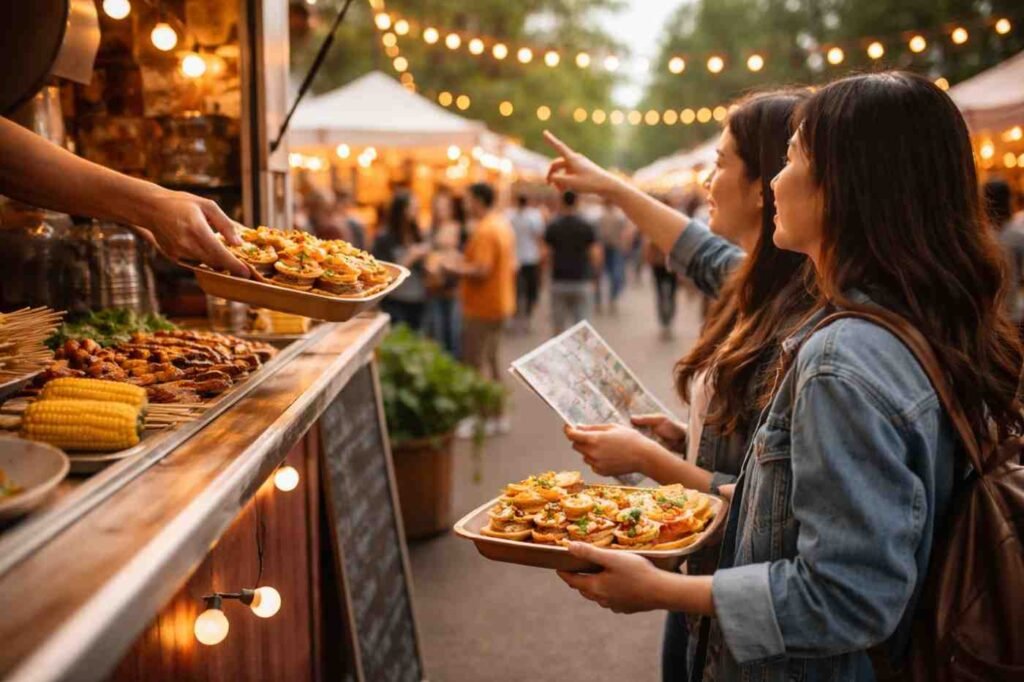
Another great way to travel through food culture is by following culinary trails or attending food festivals. Many regions are known for specific foods like cheese, wine, seafood, barbecue, or regional specialties.
Food festivals are especially interesting because they combine:
- Traditional dishes
- Cultural celebrations
- Music and local traditions
- Seasonal foods
- Community gatherings
Food festivals show how food connects with culture, holidays, and traditions.
Practical Tips for Traveling Through Food Culture
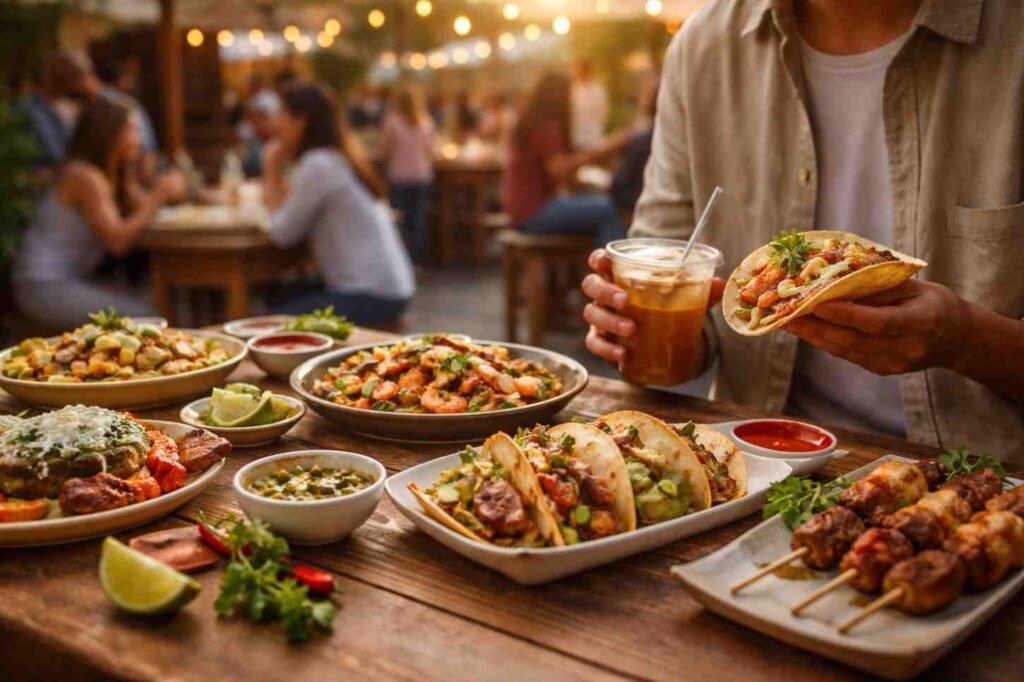
If you really want authentic food travel experiences, a few simple habits can completely change how you travel.
Here are some practical tips:
- Ask locals where they eat, not where you should eat
- Avoid restaurants with very large tourist menus
- Look for places where most customers are locals
- Visit grocery stores and markets when traveling
- Try regional cuisine instead of international food
- Take food tours early in your trip to learn about local dishes
- Travel slowly and spend time understanding food traditions
- Talk to vendors, chefs, and restaurant owners
- Try dishes you have never heard of before
Small decisions like these help you experience authentic food instead of tourist food.
FAQs: The Best Way to Travel Through Food Culture Around the World
1. How does food help you understand culture while traveling?
Food reflects history, agriculture, traditions, and daily life. Traditional dishes often come from local ingredients and cultural practices, so food helps travelers understand how people live and celebrate.
2. What is food tourism or culinary travel?
Food tourism is traveling to experience local food, cooking traditions, food markets, street food, and cultural dishes. It focuses on culture through cuisine rather than just sightseeing.
3. How can I find authentic local food while traveling?
Ask locals where they eat, visit food markets, try street food, avoid tourist-heavy restaurants, and explore neighborhoods known for local restaurants and traditional food.
4. Are cooking classes worth it while traveling?
Yes, cooking classes are one of the best ways to understand food culture because you learn about ingredients, cooking methods, and cultural traditions directly from locals.
Final Thoughts
Travel through food culture changes the way you see the world. Instead of just visiting places, you start understanding them. Food connects you with people, traditions, and stories in a way that sightseeing never can. Markets, street food, cooking classes, and camping recipes to try often teach more about culture than museums or tour buses. Food makes travel personal, memorable, and meaningful because every meal becomes part of the journey.
If you want to experience places more deeply, start paying attention to what people eat, how they cook, and where they shop. Food is often the easiest and most enjoyable way to understand any culture.