
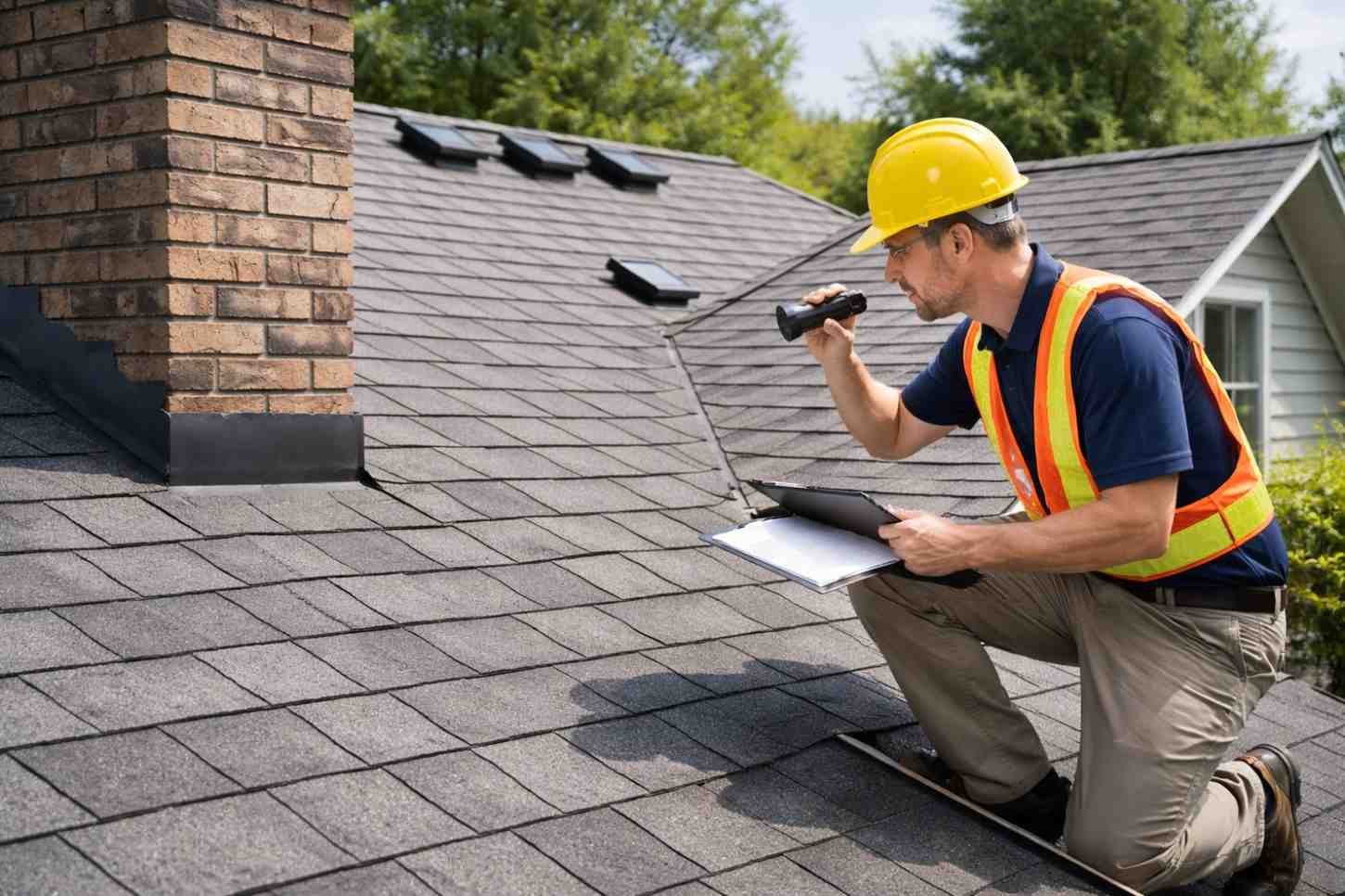
Roof problems rarely announce themselves clearly. Small issues can hide for years before turning into visible damage. That is why roof inspections matter more than many homeowners realize. Inspectors follow a careful process to catch problems early.
This article explains what inspectors look for during residential roof checks. Each section breaks down a key inspection area. Understanding this process helps homeowners know what to expect and why certain repairs are recommended. A clear inspection often saves time, money, and stress by preventing bigger issues later.
When inspectors evaluate conditions that may require residential roof repairs, they focus on both visible damage and early warning signs. The goal is not just to spot leaks, but to understand how the roof system performs as a whole. The sections below explain what inspectors examine and why each area matters.
Surface Condition of Shingles or Roofing Material
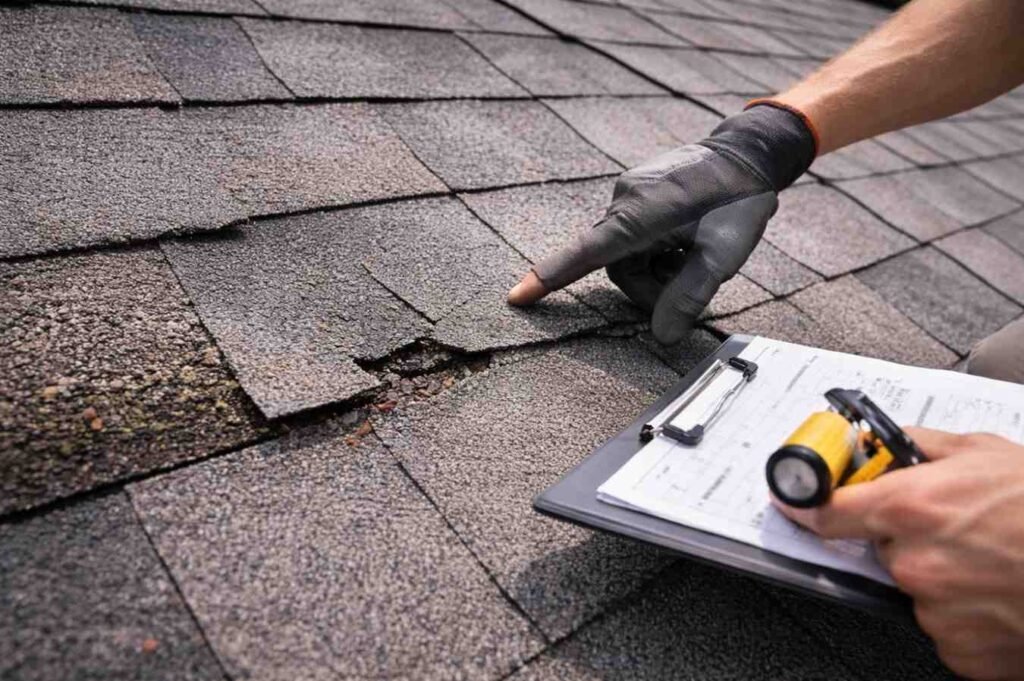
Inspectors begin with the roof surface. Shingles or panels show early signs of wear long before leaks appear. Curling, cracking, or missing materials often indicate age or weather stress.
Inspectors look for uneven wear patterns. These can signal drainage issues or ventilation problems below. Granule loss on shingles also matters because it reduces protection from sun exposure. Surface condition helps inspectors judge remaining lifespan and whether repairs or replacement make more sense.
Flashing and Seal Integrity Around Openings
Roof openings create weak points. Chimneys, vents, skylights, and valleys all rely on flashing to stay watertight.
Inspectors check for gaps, corrosion, or lifting edges around these areas. Sealant condition matters as much as metal placement. Small failures here cause many interior leaks. Key inspection focus areas include:
- Chimney bases where flashing meets brick or siding. Poor seals allow water entry.
- Vent pipe collars that crack or shift over time. These often fail quietly.
Structural Signs Beneath the Roof Surface
Roof inspections go beyond what sits on top. Inspectors also look for structural warning signs that suggest deeper problems.
Inside the attic, inspectors check for sagging decking or dark stains. These signs point to moisture exposure. Roof framing alignment also matters. Uneven lines can indicate long-term stress. Inspectors use these clues to determine whether damage remains isolated or affects the roof structure as a whole.
Ventilation and Airflow Performance
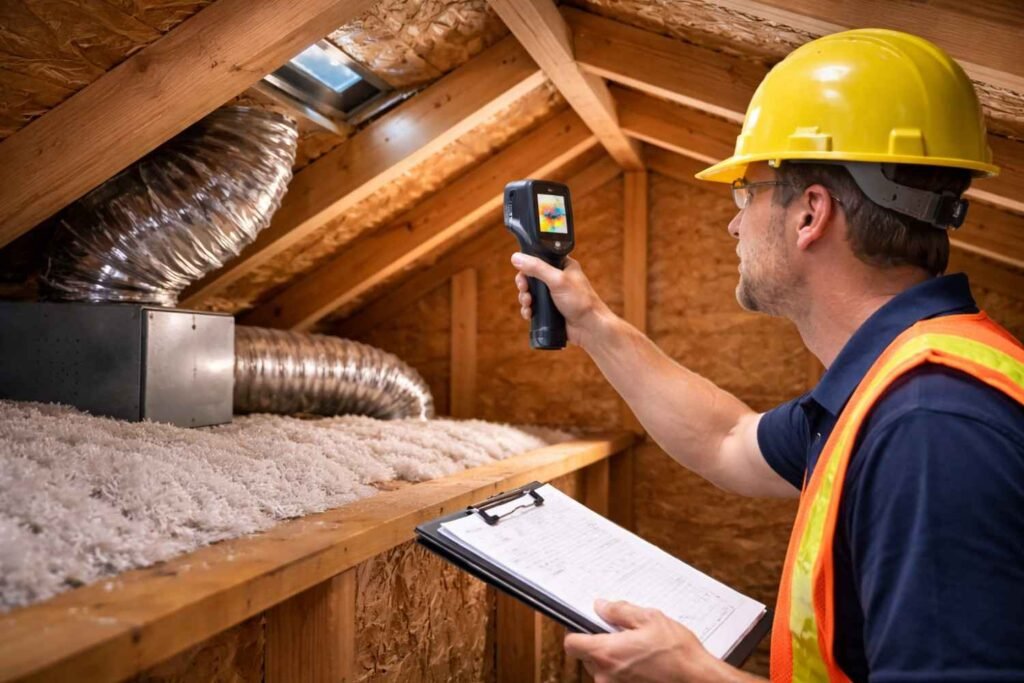
Proper airflow keeps roofs stable. Poor ventilation traps heat and moisture, which shortens roof life. Inspectors evaluate intake and exhaust balance. They check ridge vents, soffit vents, and attic airflow paths. Warning signs include condensation buildup and uneven temperatures. Good ventilation supports material durability and prevents premature deterioration. When airflow fails, even new roofs experience early wear.
Drainage Paths and Water Movement
Water management plays a major role in roof health. Inspectors observe how water moves across the roof and exits the system.
They check slope consistency and gutter alignment. Ponding areas raise concern because standing water weakens materials. Inspectors also examine:
- Valleys where roof planes meet. These areas collect high water volumes.
- Eaves where water exits the roof edge. Blockages here cause backup.
Evidence of Past Repairs or Temporary Fixes
Previous repairs tell an important story. Inspectors look closely at patched areas to judge effectiveness.
They assess material compatibility and workmanship quality. Mismatched shingles or exposed sealant raise red flags. Temporary fixes may slow damage but often hide ongoing problems. Inspectors note these areas to recommend proper solutions. Understanding repair history helps avoid repeated failures.
Residential roof inspections focus on more than surface damage. Inspectors examine materials, flashing, structure, airflow, drainage, and repair history to understand roof performance fully. Each area offers clues about the current condition and future risk, especially when residential roof repairs may be needed sooner than expected. When homeowners understand what inspectors look for, inspection reports feel clearer and more useful. Early detection helps protect roofs before small issues grow into costly problems.