
The allure of turning a culinary passion into a successful enterprise is strong. Many dream of opening a restaurant, launching a food truck, or selling their unique creations to the public. However, the food industry is as challenging as it is rewarding.
Transforming that dream into a viable business requires more than just a great recipe; it demands careful planning, legal compliance, and a deep understanding of the market. This guide outlines the essential knowledge you need before embarking on your food business journey.
Laying the Groundwork: Business Planning and Funding

A detailed business plan is the foundation of any successful venture. It is your roadmap, guiding your decisions and helping you secure necessary funding. Your plan should clearly define your business concept, target audience, and what makes your product unique.
Crafting Your Business Plan
Start by articulating your mission and vision. What type of food will you offer? Who are your ideal customers? Conduct thorough market research to understand your competition and identify opportunities.
Your plan must also include a detailed financial forecast, projecting your startup costs, operational expenses, and potential revenue for at least the first three years. This financial section is critical for attracting investors or securing a loan.
Securing Capital
Starting a food business can be expensive. Costs can include kitchen rental, equipment purchases, licensing fees, and initial inventory. Determine how you will fund these expenses.
Options range from personal savings and loans from family to small business loans, grants, and even crowdfunding. A solid business plan is your most powerful tool when approaching lenders or investors.
Navigating the Legal and Regulatory Landscape

The food industry is heavily regulated to protect public health. Navigating the web of local, state, and federal laws is a non-negotiable step. Failure to comply can result in hefty fines or the forced closure of your business.
Licenses, Permits, and Certifications
You will need a variety of licenses and permits to operate legally. These often include a business license, a food handler’s permit, and health department permits.
The specific requirements vary significantly by location, so it is essential to contact your local health department and city government to get a comprehensive list. If you plan to serve alcohol, you will need a separate liquor license, which can be a lengthy and complex process.
Health and Safety Standards
Adhering to food safety regulations is paramount. This includes everything from proper food storage temperatures and preventing cross-contamination to ensuring staff are trained in safe food handling practices.
Your commercial kitchen will be subject to regular inspections by the health department. Maintaining a high standard of cleanliness and safety is not just a legal requirement; it is fundamental to building customer trust.
Operations: From Sourcing to Selling
With your plan and legal paperwork in order, the focus shifts to daily operations. These are the logistical details that keep your business running smoothly and ensure a high-quality product reaches your customers.
Sourcing Ingredients and Supplies
Your menu is only as good as the ingredients you use. Establish relationships with reliable suppliers who can provide consistent, high-quality products at a fair price. Consider whether you will source from local farms, large distributors, or a mix of both. Your sourcing decisions will impact your costs, your product quality, and your brand story.
Packaging and Presentation
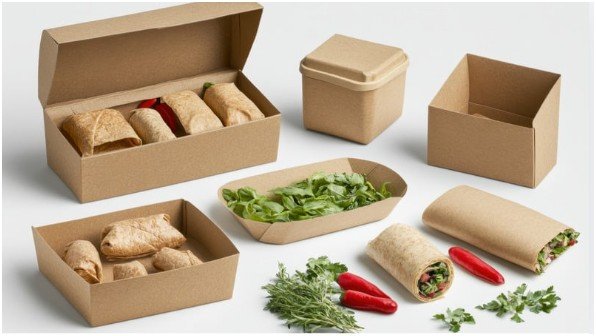
How you package your food is crucial, especially for takeout, delivery, or retail products. Your packaging must protect the food’s integrity, maintain its temperature, and be visually appealing. It is also vital to consider materials that align with health regulations.
Using appropriate food-safe coatings for packaging ensures that no harmful chemicals leach into the product, safeguarding both your customers and your reputation.
Building Your Brand and Reaching Customers
A great product will only sell if people know about it. A strong marketing and branding strategy is essential for attracting and retaining customers in a competitive market.
Defining Your Brand Identity
Your brand is more than just a logo; it is the entire experience you offer. It is the story you tell, the atmosphere of your establishment, and the way you interact with customers. Define what makes your business unique and communicate that consistently across all your marketing channels.
Marketing Your Business
Develop a marketing plan that targets your ideal customers. This could include building a professional website, engaging with customers on social media, running local advertisements, or attending community events. Encourage happy customers to leave online reviews, as positive word-of-mouth is one of the most powerful marketing tools in the food industry.
Starting a food business is a significant undertaking that requires dedication and meticulous preparation. By creating a comprehensive business plan, navigating legal requirements, streamlining your operations, and building a strong brand, you can set yourself up for success and turn your culinary passion into a thriving enterprise.