If you often struggle to unwind after a long day or find your mind racing as you try to fall asleep, you’re not alone. Whether it’s the stress of daily life or the constant feeling of overwhelm, many of us suffer from sleep disturbances and anxiety. Thankfully, yoga nidra might just be the solution you’ve been looking for.
In this blog, I’m diving into how Yoga Nidra for sleep and anxiety works, why it’s so effective, and how you can practice it — even if you’re new to meditation. By the end of this post, you’ll understand the science behind this ancient practice and how you can use it to experience deeper rest and reduced anxiety.
Key Takeaways
- Yoga Nidra reduces anxiety and improves sleep by calming the nervous system.
- It offers deep relaxation through guided practices, helping you unwind.
- 20 minutes a day of practice can lead to better sleep and reduced stress.
- It’s accessible to beginners and can be done lying down.
- For severe anxiety or trauma, consider practicing with a trained instructor.
What Is Yoga Nidra?
Yoga nidra, often referred to as “yogic sleep”, is a deeply relaxing meditation technique that guides you into a state between wakefulness and sleep. Unlike traditional meditation where you remain alert, yoga nidra allows you to experience a profound relaxation without losing consciousness. It’s a powerful tool for reducing stress, anxiety, and improving sleep.
In essence, yoga nidra is designed to bring you into a state of deep relaxation and mental clarity, allowing your body and mind to release tension. And the best part? You don’t need any special training or flexibility to practice it. All you need is a quiet space, a comfortable position, and a willingness to relax.
How Does Yoga Nidra Help With Sleep and Anxiety?
You might be wondering: Can this really help me sleep better and reduce anxiety?
Here’s how it works:
1. Activates the Relaxation Response
Yoga nidra triggers the parasympathetic nervous system — also known as the body’s rest and digest system. This shifts your body away from the fight-or-flight response (which contributes to anxiety) and into a calm, restorative state. This process naturally makes it easier to relax and fall asleep.
2. Reduces Stress Hormones
By focusing on the breath and body sensations, yoga nidra helps lower cortisol levels, the primary hormone associated with stress. This reduction in cortisol helps combat the physical effects of anxiety and encourages a more restful state for sleep.
3. Quieting the Mind
One of the most significant benefits of yoga nidra is its ability to quiet the constant mental chatter that often keeps us awake. In yoga nidra, your attention is gently guided from thought to sensation, making it easier to let go of distractions and create a peaceful mind — which is exactly what you need to fall asleep or calm anxiety.
4. Easily Accessible
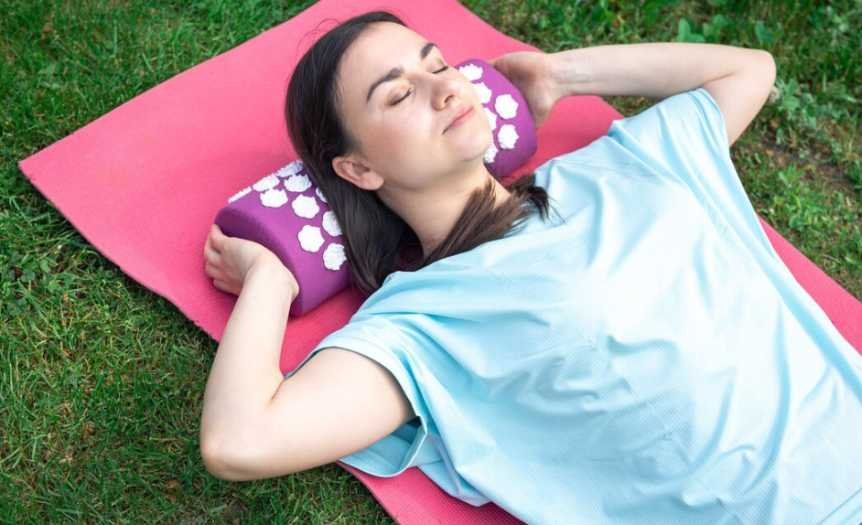
Another advantage of yoga nidra is that it doesn’t require any physical exertion. You can lie down in bed or on the floor, close your eyes, and follow along with a guided session. Even if you’re not familiar with yoga, yoga nidra can still work wonders for your sleep and anxiety.
Step-by-Step Guide to Practicing Yoga Nidra

Getting started with yoga nidra is easy. Here’s a step-by-step guide to help you begin:
Step 1: Find a Comfortable Position
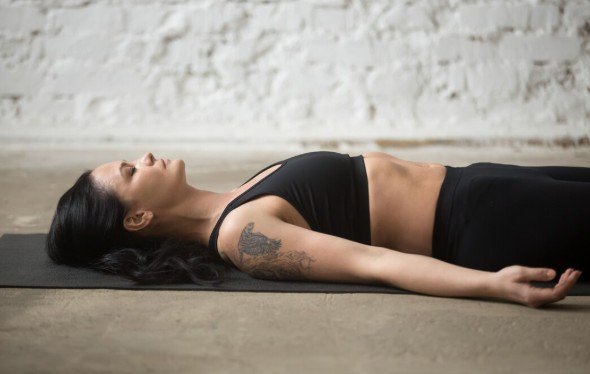
Lie flat on your back, preferably on a mat or soft surface. Make sure your body is aligned and your posture is comfortable. You can place a pillow under your knees if it helps relieve any tension in your lower back.
Step 2: Breathe Deeply
Start by taking a few deep breaths. Inhale through your nose, letting your belly rise, and then exhale slowly through your mouth. Allow yourself to settle into the breath and relax with each exhale.
Step 3: Body Scan
Begin a body scan by bringing your awareness to your toes. Gradually move up through each part of your body, from your feet to your head. As you focus on each body part, consciously relax the muscles and let go of any tension.
Step 4: Set an Intention (Sankalpa)
Yoga nidra often includes the practice of setting an intention or Sankalpa. This could be something simple like “I am calm and at peace,” or “I sleep peacefully every night.” Repeat this affirmation silently to yourself and allow it to guide your practice.
Step 5: Awareness of Breath
Now focus on your breath again. Feel the rise and fall of your chest and belly with each breath. If your mind starts to wander, gently bring it back to the breath. Let go of any thoughts and just be with your breath.
Step 6: Deep Relaxation
Allow your entire body to enter a state of deep relaxation, feeling grounded, calm, and at peace. Stay in this state for 15–20 minutes or longer if you’d like.
Step 7: Slowly Return
When you’re ready to end your practice, slowly bring your awareness back to the room. Gently wiggle your fingers and toes, stretch your body, and slowly open your eyes. Take a moment to check in with how your body and mind feel. You should feel deeply relaxed and calm.
Why Yoga Nidra Works for Sleep and Anxiety
While many relaxation techniques aim to help with stress or sleep, yoga nidra is unique because it intentionally targets the brain’s resting state. It activates brain waves associated with deep sleep and rejuvenation, all while keeping the mind aware.
This blend of deep relaxation and mental clarity is key to both improving sleep and calming anxiety.
Research supports yoga nidra’s effectiveness. Studies show it helps reduce anxiety, improve sleep quality, and enhance emotional well-being over time. Whether you’re struggling with stress, insomnia, or anxiety, consistent practice of yoga nidra can have lasting benefits.
Frequently Asked Questions
1. Can yoga nidra replace sleep?
No, yoga nidra is not a replacement for sleep. However, it induces a deep relaxation that mimics the restorative effects of sleep, which can help improve the quality of your rest.
2. How often should I practice yoga nidra?
For the best results, practice yoga nidra regularly — ideally every day or at least a few times a week. Consistent practice will help you feel more relaxed and improve your overall sleep patterns.
3. Is yoga nidra safe for anxiety disorders?
Yes, yoga nidra is generally safe for individuals with anxiety. However, if you have severe anxiety or trauma, it’s a good idea to practice with a trained instructor or therapist.
4. Can I do yoga nidra in bed?
Yes! In fact, yoga nidra can be practiced right before bed. It’s an excellent way to prepare your body and mind for sleep.
5. How long should a yoga nidra session be?
A typical yoga nidra session lasts between 20 to 40 minutes. However, even a short session of 10 minutes can help you relax and ease anxiety.
Final Thoughts: Your Path to Peaceful Sleep and Calmness
Yoga nidra for sleep and anxiety is a powerful tool that anyone can use to enhance their well-being. Whether you’re new to meditation or a seasoned yogi, this practice offers a simple and effective way to relax, calm your mind, and enjoy better sleep.
If you’re ready to experience deeper rest and reduced anxiety, I encourage you to give yoga nidra a try — and stick with it. You might just find the relief you’ve been looking for.