Every service business depends on equipment that can keep pace with daily demands. When waste removal and site cleanup play a central role in the job, the right truck can affect speed, safety, and overall reliability. A poor fit can slow down operations and create avoidable costs over time.
Many buyers review options like Keevac’s custom vacuum trucks & liquick waste vehicle builds when they need a unit built for specific tasks and long-term use. The right vehicle can support better job performance and help crews handle demanding work with more confidence. That is why feature selection deserves careful attention before any purchase.
Tank Capacity and Material Quality
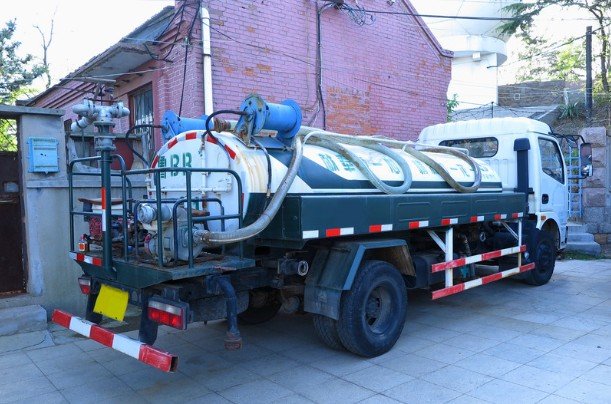
Tank size should match the type of work your business handles every day. A truck with too little capacity may force extra trips and waste valuable time on the road. A unit with the right size can help crews finish jobs with greater efficiency.
Tank material also deserves close attention during the buying process. Steel quality affects durability, service life, and resistance to wear from heavy use. A strong tank can hold up better under pressure and reduce the risk of costly repairs.
Vacuum Performance and Pump Strength
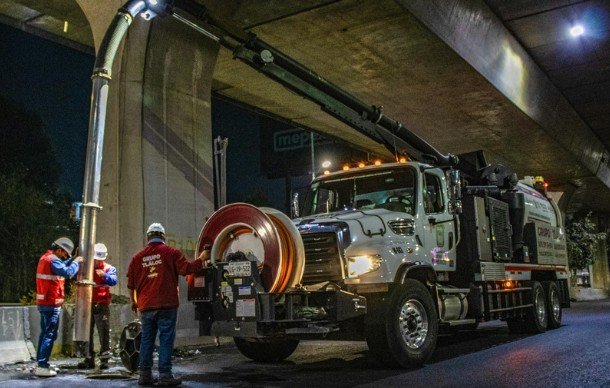
Vacuum power has a direct effect on job speed and overall truck performance. A weak system can slow down removal work and place extra strain on the crew. Strong suction helps the vehicle handle dense waste and tougher site conditions with less trouble.
Pump quality matters just as much as raw power. A dependable pump can support steady performance across long workdays and demanding tasks. Businesses that review units like Keevac’s custom vacuum trucks & liquick waste vehicle builds usually pay close attention to this part of the build.
Hose Reach and Operational Control
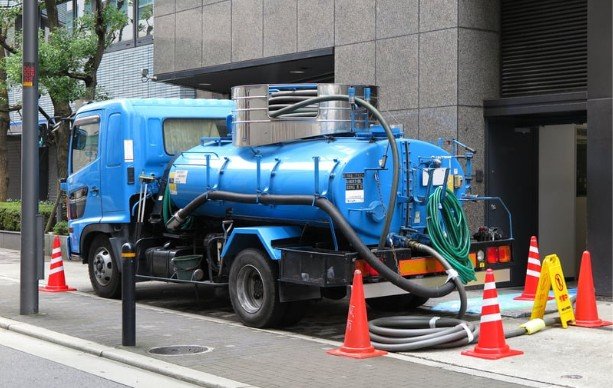
Hose length can affect how easily your crew reaches difficult work areas. A limited hose setup may create extra repositioning and waste time at the site. Better reach allows the team to work with more flexibility and fewer interruptions.
Control systems also play a major role in daily use. Clear controls can help operators manage pressure, flow, and tank functions with more confidence. A user-friendly setup can reduce mistakes and improve safety on active job sites.
Chassis Strength and Road Suitability
The chassis must support the full weight of the truck and its expected workload. A poor match between body and chassis can lead to performance issues and higher maintenance costs. A solid base helps the truck stay reliable under heavy use.
Road conditions should also shape your choice of build. Some businesses need trucks that perform well in urban areas, while others need units that can handle rougher ground. A vehicle that suits your routes can improve service quality and reduce wear over time.
Maintenance Access and Service Support
Support after the sale is just as important as the truck itself. A builder with strong service backing can help you get parts, repairs, and technical guidance without long delays. That level of support can protect your investment and keep your fleet ready for work.
Custom vacuum trucks can deliver strong value when the build fits your business needs from the start. Tank quality, pump strength, control systems, chassis design, and service support all deserve careful review before purchase. A smart choice can help your team work more efficiently and support steady business growth.