
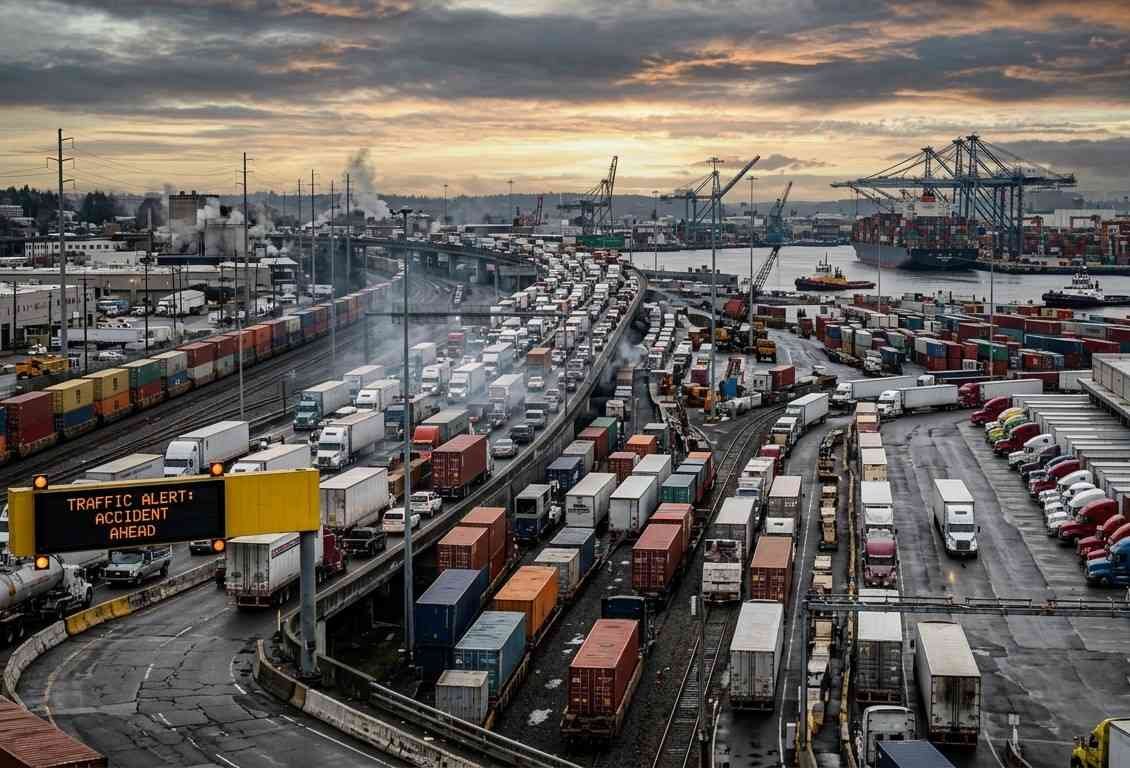
The transportation sector is the true backbone of the global economy. Every single day, logistics networks, freight carriers, and delivery fleets work around the clock to move goods across vast distances, ensuring store shelves stay stocked and manufacturing lines keep moving. It is a fast-paced, high-stakes industry where timing is everything.
However, keeping a transportation company running smoothly is far from easy. The logistics landscape is constantly shifting, and operators must navigate an increasingly complex maze of regulatory, environmental, and financial pressures.
When a transportation network stumbles, the ripple effects can be felt across the entire supply chain. Understanding the major pain points within the industry is crucial for staying resilient. Here are five significant challenges that modern transportation companies face today.
1. Chronic Driver Shortages and Recruitment Hurdles
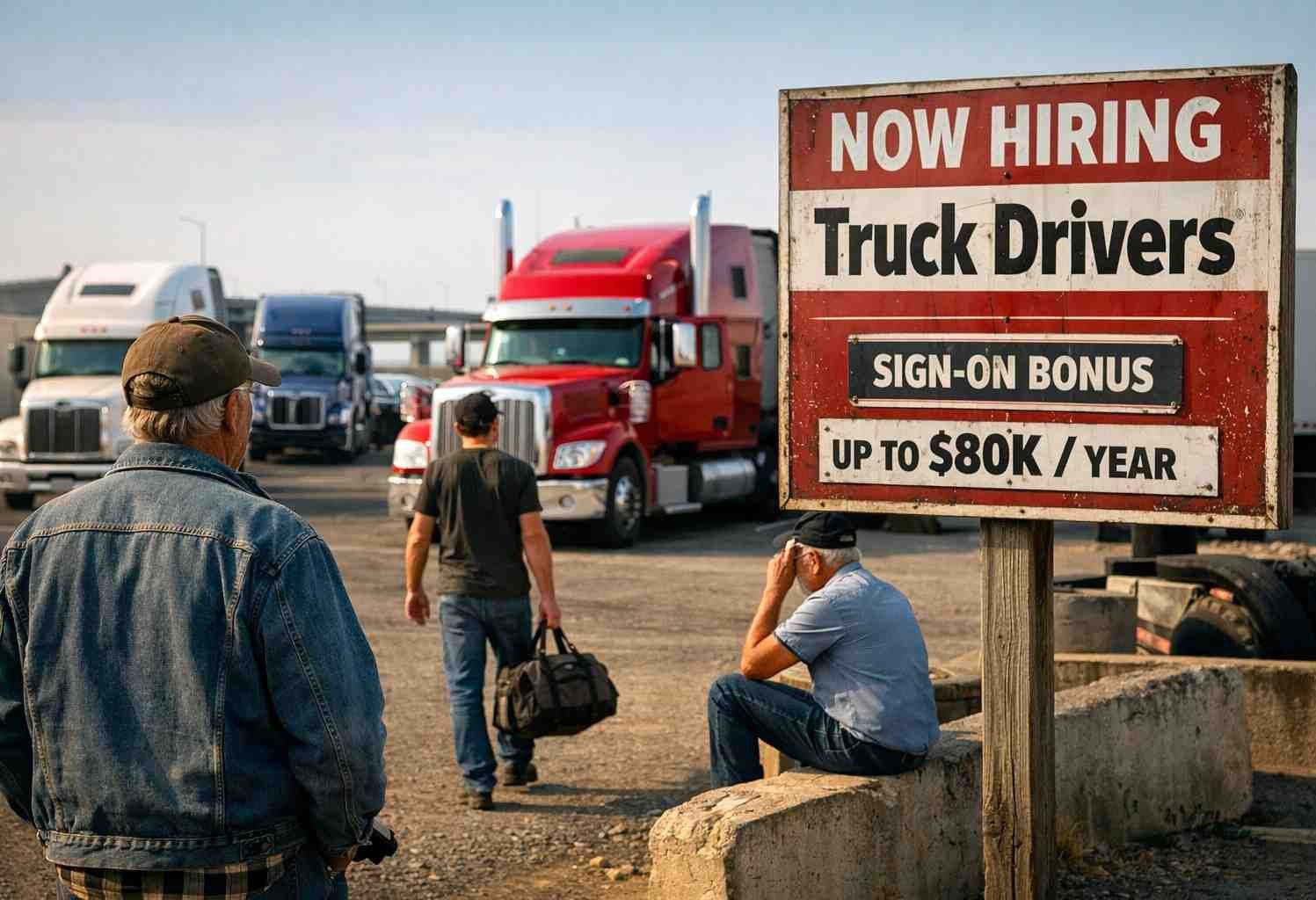
Perhaps the most persistent crisis facing fleet operators is the ongoing shortage of qualified commercial drivers. The trucking industry has struggled for years to attract a new generation of talent to replace an aging workforce.
Demanding lifestyles, long periods away from home, and strict health requirements make long-haul driving a difficult career sell. To stay competitive, transportation companies are forced to continuously raise sign-on bonuses, increase per-mile pay, and offer better lifestyle benefits. This ongoing wage inflation places an immense strain on operational budgets, forcing companies to find ways to optimize efficiency elsewhere.
2. Unpredictable Fuel Cost Volatility
Fuel is typically a transportation company’s largest and most volatile variable expense. Sudden geopolitical tensions, shifting global oil supplies, and unpredictable economic market corrections can cause diesel and gasoline prices to skyrocket overnight.
When fuel prices spike, profit margins dissolve rapidly. While freight carriers often utilize fuel surcharges to pass some of these expenses on to shippers, these adjustments take time to implement and rarely cover the full financial blow. Fleet managers must invest heavily in advanced route-optimization software, fuel-efficient aerodynamics, and driver training programs to minimize fuel waste on every haul.
3. Escalating Regulatory Compliance and Safety Mandates
Operating a commercial fleet means answering to a continuous stream of local, state, and federal regulations. Transportation companies face strict oversight regarding driver hours-of-service (HOS) rules, electronic logging device (ELD) data management, and rigorous weight restrictions.
Furthermore, environmental mandates are forcing fleets to transition toward lower-emission vehicles and alternative fuels. Keeping up with these shifting legislative standards requires constant administrative vigilance, continuous staff training, and expensive hardware retrofits, turning baseline legal compliance into a major capital expense.
4. Securing and Optimizing Critical Logistics Infrastructure
A transportation company is only as good as its home base. Fleets require sprawling, secure physical facilities to handle continuous vehicle staging, safe truck parking, maintenance bays, and cross-dock inventory transfers.
Finding properties that combine proper industrial zoning with immediate access to major interstate highways is incredibly difficult. For logistics hubs situated near major transportation corridors, managing these high-traffic physical yards requires deep, specialized regional expertise.
Partnering with a premier firm for commercial property management in Salt Lake City or your local shipping hub is often essential. Having a professional management framework ensures terminal gates remain secure, pavement layout is optimized for heavy vehicle weights, and facility infrastructure supports non-stop delivery schedules.
5. Overcoming Severe Infrastructure Congestion and Delays

Our highways, ports, and urban transit corridors are more crowded than ever before. Urban gridlock, highway construction bottlenecks, and ocean port backlogs create unpredictable delays that smash carefully calculated delivery windows.
When a truck gets stuck in gridlock, it wastes fuel idling, burns through a driver’s legal hours-of-service, and delays subsequent pickups across the entire logistics chain. These supply chain bottlenecks lower equipment utilization rates and lead to expensive detention fees and unhappy customers, forcing transportation firms to build massive amounts of buffer time into their daily schedules.
Conclusion
The modern transportation sector operates on incredibly thin margins of error, battling continuous friction from labor markets, fuel volatility, strict compliance, facility constraints, highway congestion, and maintenance needs such as industrial vacuum trucks. Overcoming these multi-faceted challenges requires a shift from traditional guesswork to a hyper-connected, data-driven strategy.
By protecting their physical logistics yards, investing in workforce retention, and leveraging technology to optimize routes, fleets can maintain their momentum despite external disruptions. Ultimately, the transportation companies that thrive are those that view challenges as structural opportunities to innovate, proving that resilience on the ground is the key to mastering the global supply chain.