

A motivated workforce is the lifeblood of any thriving enterprise. When a team is engaged, they don’t just complete tasks—they solve problems, innovate, and drive the organization forward. However, motivation is not a permanent state. It behaves like an organic infrastructure, fluctuating in response to leadership styles, workload pressures, and operational friction.
One of the greatest challenges for management is that a decline in morale rarely happens overnight. Instead, it is a slow, quiet drift. By the time an employee explicitly voices frustration or hands in a resignation letter, their disengagement has likely been building for months. Recognizing the early, subtle behavioral shifts allows leaders to intervene proactively, realigning their team before productivity and retention collapse. Here are six critical warning signs that your team may be losing its motivation.
1. A Shift from Proactive to Strictly Reactive Input
When morale is high, team members actively participate in the development of projects. They offer unsolicited ideas during brainstorming sessions, suggest workflow improvements, outsourcing chores for productivity and anticipate bottlenecks before they happen.
A sudden transition to purely reactive behavior is a primary indicator of fading drive. If your team huddles have grown uncharacteristically quiet, or if employees only speak when called upon directly, engagement is fractured. An unmotivated team adopts a compliance mindset: they do exactly what is requested of them to avoid reprimand, but they stop investing cognitive or creative energy into the future of the company. They are physically present, but mentally detached.
2. Deceleration of Velocity and Missed Milestones
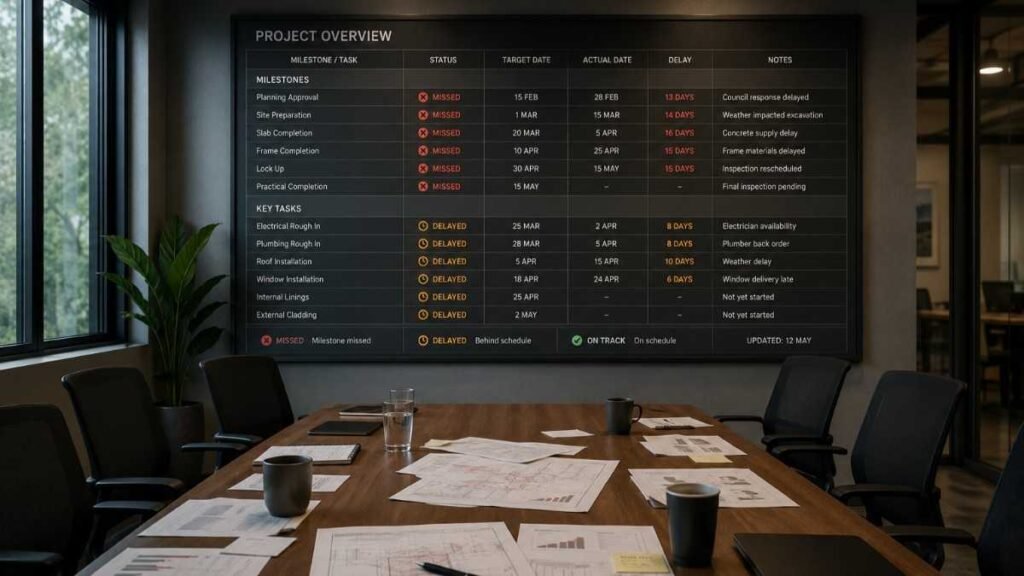
While external market disruptions can occasionally impact timelines, a consistent, internal slowdown across projects points to a structural motivation issue. When enthusiasm disappears, tasks simply take longer to complete.
You may notice that routine assignments that once took two days now stretch out into a week. Email responses slow down, decisions are constantly deferred, and project milestones begin to slip without a clear technical explanation. This deceleration is rarely driven by a sudden loss of skill; rather, it represents a conscious or subconscious rationing of effort. When workers no longer find meaning in their objectives, the urgency to perform disappears.
3. Disengagement from Corporate and Social Culture
Human beings are inherently social, and a healthy team culture relies on casual bonds formed outside of immediate work tasks. A subtle but clear warning sign of disengagement is a widespread withdrawal from communal spaces and voluntary interactions.
If team members consistently skip voluntary workshops, decline invitations to corporate lunches, or turn off their cameras during remote social gatherings, a disconnect has formed. This social retreat often signals that employees no longer see themselves as part of a long-term collective. They are separating their personal identity from the company, treating the workspace purely as a transactional environment.
4. An Increase in Minor Operational and Compliance Friction
A well-motivated team moves fluidly through administrative routines because they understand how those processes protect the broader workflow. When motivation erodes, minor administrative requirements begin to feel like insufferable burdens, leading to an uptick in compliance friction.
This friction often shows up as late submissions of timesheets, ignored project management software updates, or a general disregard for organizational protocols. When backend administrative systems are perceived as a hassle rather than a support structure, it can compound existing morale issues. While leadership can look to streamline these burdens by outsourcing highly specialized administrative functions to dedicated providers, such as relying on specialized payroll services in Salt Lake City to simplify time-tracking and wage processing, the underlying behavioral friction should not be ignored. If employees are resisting basic compliance steps, it is often a sign that their patience with the organization as a whole is running thin.
5. Hyper-Focus on Scope Restrictions
Boundaries are essential for preventing burnout, but a sudden, rigid hyper-focus on scope can indicate a deeper motivational issue. This is commonly observed when employees adopt a strict “that’s not my job” approach to daily challenges.
In a collaborative and motivated team, individuals naturally assist their peers when an unexpected crisis arises, crossing functional lines to ensure the project succeeds. When motivation dips, team members retreat behind explicit job descriptions. They refuse to step outside their narrow domain, leaving gaps unaddressed and forcing managers to micro-allocate every minor task. This behavior signals that the team has lost a sense of shared ownership over the final product.
6. A Spike in Absenteeism and Minor Health Complaints

The mind and body are deeply connected. When an environment becomes emotionally draining or uninspiring, the stress manifests physically. A team that is losing motivation will frequently show a sudden spike in casual absenteeism, late arrivals, and requests for time off due to minor health complaints.
When an individual dreads their workday, their immune system suffers, and their threshold for calling in sick lowers significantly. If you notice a pattern where multiple team members are alternating unexpected days off, it is rarely a coincidence. It is often a collective coping mechanism for stress, burnout, or a lack of fulfillment in the current operating environment. Therefore, enhanced business exteriors are needed.
Conclusion
A decline in team motivation is not a reflection of poor character or laziness; it is a clear symptom of environmental, cultural, or structural friction. By maintaining a sharp eye for these six indicators—ranging from a shift to reactive communication to behavioral resistance against routine workflows—leaders can step in early. Addressing the root causes of disengagement through transparent dialogue, recognition, and structural support can turn the tide, transforming a drifting group back into a driven, unified team.