Opening an event venue is a journey of turning a creative vision into a tangible, profitable reality. Whether you envision a space for high-end corporate galas, intimate weddings, or live performances, the transition from concept to venue requires a blend of strategic planning and meticulous execution.
Before you open your doors to the public, there are several foundational pillars you must establish to ensure long-term success.
Define Your Niche and Purpose

The first step in launching a venue is identifying your specific niche. Event production is a broad industry, and attempting to cater to everyone can dilute your brand.
You must decide if your space is better suited for corporate product launches, team-building retreats, holiday parties, or investor presentations.
Defining this purpose early on shapes every subsequent decision, from the interior design to the marketing strategy.
Understanding your target audience is equally critical. By looking at market data and buying behaviors, you can tailor your space to attract decision-makers who have the authority to book events. A clear objective helps set the right tone—formal or casual—and serves as a roadmap for your resources.
Create a Blueprint for Success
A well-thought-out business plan is your essential guide for growth. This document should outline your company’s mission, revenue models, and staffing needs.
Beyond operational guidance, a solid plan is necessary if you intend to secure funding through investors or small business loans.
Simultaneously, you must address the legalities of your business. This involves choosing a structure—such as an LLC or corporation—and registering with the state.
You will also need a federal Employer Identification Number (EIN), relevant permits, and comprehensive business insurance to protect against potential liabilities.
If your venue plans to offer catering, concessions, or food service partnerships, it is also worth reviewing the basics of starting a food business so you understand food safety rules, licensing needs, and operational expectations before opening.
Financial Planning and Budgeting
Financial control is often the determining factor in a venue’s survival. Start by creating a realistic budget based on the scale of your intended operations. This should cover major expenses including the venue acquisition, catering equipment, marketing, and permits.
One of the most important financial safeguards is a contingency fund. It is wise to set aside approximately 10-15% of your total budget for unexpected costs, such as last-minute repairs or overtime fees.
Transparency with your team and vendors regarding these financial boundaries prevents overspending and keeps the project on track.
Choosing the Right Location
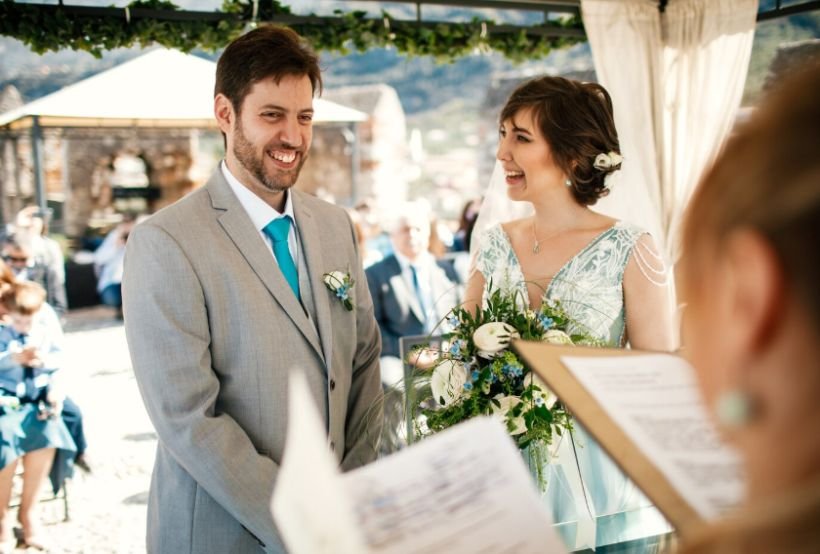
The venue itself is the heart of your business, and its location plays a massive role in attendance rates. You must select a space that is easily accessible for your target demographic, with adequate parking or public transit options.
When evaluating potential properties, consider capacity, ambiance, and layout. Ensure the space can comfortably accommodate your expected guest count, as overcrowding can quickly ruin an event experience.
The aesthetic of the venue should also align with your theme; for example, a sleek corporate presentation requires a modern setting with reliable technology.
For those planning outdoor event spaces, aesthetics and durability are key; incorporating high-quality materials like solid surfacing decking in Salt Lake City can ensure your exterior areas remain beautiful and functional through varied weather conditions.
Assembling Your Team and Infrastructure
A successful venue is never a one-person job. You will need to assemble a team with diverse skills, including event coordinators, audio-visual technicians, and facility managers.
Defining roles and responsibilities early—such as logistics, guest management, and promotion—ensures that everyone knows their tasks and deadlines.
In addition to personnel, invest in high-quality equipment and software. From event management tools to invoicing platforms, the right technology can streamline your operations and meet client expectations.
Designing the Guest Experience
Once the physical space is ready, focus on how guests will interact with it. Today’s event-goers often prefer active participation over passive listening.
Consider integrating interactive elements like workshops, live polls, or hands-on stations to turn spectators into contributors.
For venues that host weddings, private parties, or seasonal celebrations, floral design can also become part of the guest experience, especially when working with vendors who know how to start a flower business and create memorable decorative arrangements.
Furthermore, catering to diverse needs demonstrates thoughtfulness. Ensure your venue supports inclusive menus that accommodate various dietary restrictions, and verify that the facility is fully accessible for guests with disabilities.
By focusing on these details, you can deliver exceptional experiences that lead to repeat business and glowing testimonials.