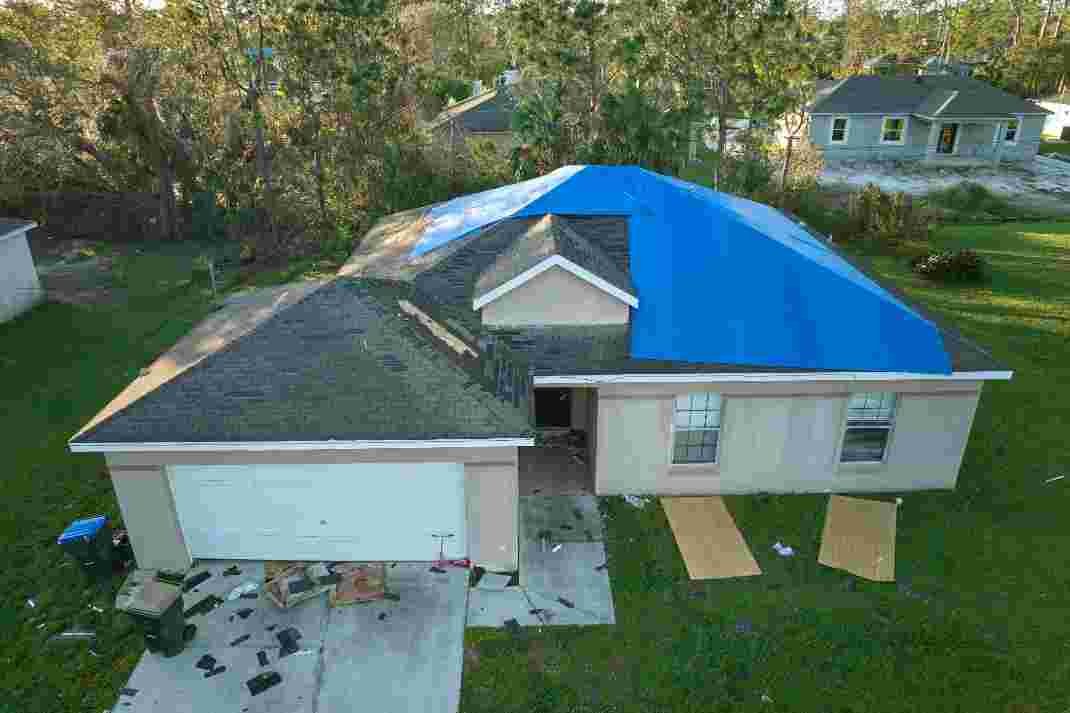
A dependable roof keeps your home comfortable and secure when severe weather arrives. Storms, however, place sudden pressure on roofing systems and challenge their strength in different ways. Strong winds, sudden temperature shifts, and heavy rainfall can all influence how materials respond. Some effects appear right away, while others remain hidden until small changes begin to affect interior spaces.
Property owners who act early protect their homes from long-term complications. Professional inspections reveal subtle changes that may not appear obvious from the ground. Timely storm damage roof repairs help preserve structural stability and prevent gradual deterioration. The following sections explain how weather events influence roofing systems, which warning signs require attention, and why professional repair services support long-term protection.
Wind and Debris Create Hidden Structural Changes
Storm winds do more than lift shingles. Sudden pressure shifts can loosen fasteners and weaken joints that hold roofing layers together. These changes may not appear visible immediately, yet they affect how the entire structure handles future weather events. Once these connections loosen, the roofing system becomes more sensitive to moisture and temperature changes.
Flying debris adds another layer of concern. Small branches, leaves, and airborne objects can create subtle surface damage that gradually expands. Even light impact can disturb protective coatings and expose materials underneath. As these protective layers weaken, water begins to settle in vulnerable areas and slowly reduces structural performance. Over time, these hidden changes influence durability and lead to the need for professional evaluation.
Interior Clues That Indicate Roofing Concerns
Storm damage does not always appear on the exterior first. Many early signs develop inside the home and offer valuable clues about structural changes above. Paying attention to these interior indicators helps identify issues before they expand.
- Slight discoloration on ceilings or upper walls
- Increased humidity in upper-level rooms
- Faint odors that appear after rainfall
- Small cracks near the ceiling corners
- Subtle temperature fluctuations in certain rooms
These changes may seem unrelated to roofing at first, As moisture moves through insulation and support layers, materials expand and contract more than usual, which aligns with insights on how weather conditions influence choosing roofs impact long-term roofing durability.
How Moisture Movement Changes Roofing Performance
After storms, moisture can travel through small openings and settle beneath surface layers. This process does not always create immediate leaks, but it influences how roofing materials respond to temperature changes. As moisture moves through insulation and support layers, materials expand and contract more than usual.
Repeated expansion and contraction weaken bonding points and reduce structural balance. Over time, these changes affect ventilation efficiency and overall durability. Professional repair services address these moisture pathways and restore performance before further complications develop.
Why Timely Repairs Support Long-Term Stability
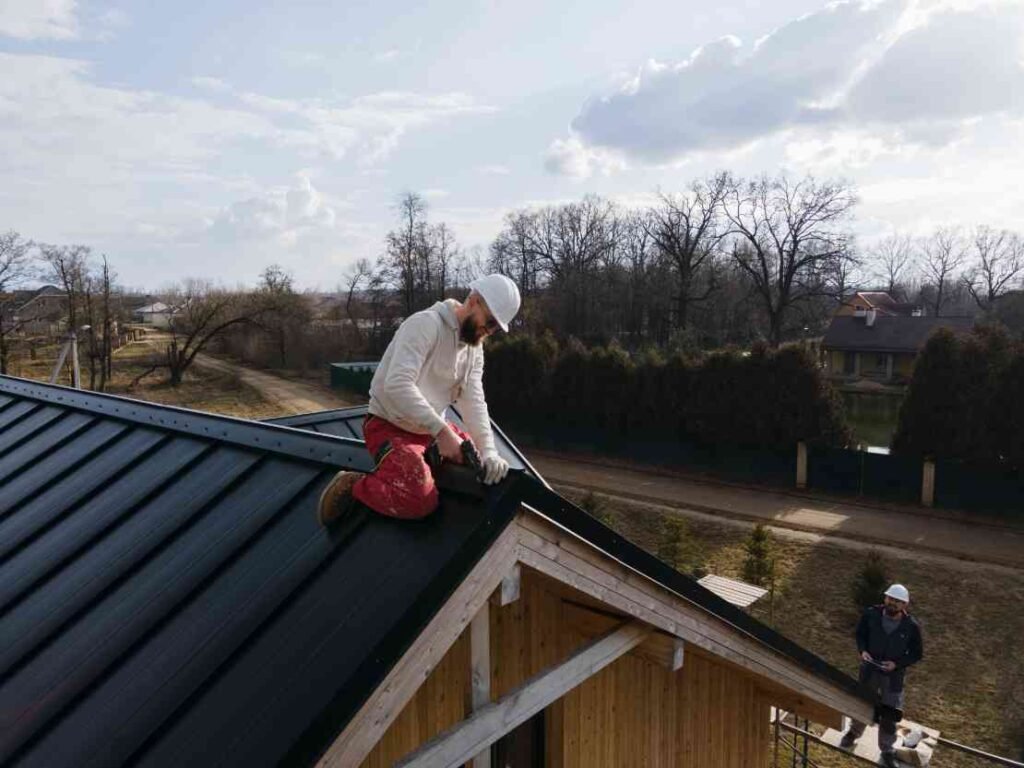
Prompt repairs strengthen roofing systems and prepare them for future storms. Professional teams identify vulnerable sections and restore structural connections that may have shifted during severe weather. This approach improves durability and reduces the likelihood of recurring issues.
Timely service also helps maintain consistent airflow and temperature control inside the home. When roofing systems perform efficiently, insulation remains effective and indoor comfort improves. Property owners who invest in storm damage roof repairs benefit from improved stability and long-term structural protection. Professional restoration also helps maintain the overall condition of the home while reducing the impact of future weather events.
Storms introduce sudden changes that influence roofing performance and structural strength. Wind, debris, and moisture movement create subtle shifts that may not appear immediately but still affect long-term durability. Professional evaluation and timely repairs help restore stability and preserve indoor comfort. With consistent care and expert attention, homeowners maintain reliable protection and ensure their homes remain secure through changing weather conditions.