Weather plays a major role in shaping construction decisions, especially when selecting a metal roofing style. Climate patterns, seasonal changes, and regional conditions influence durability, performance, and long-term value.
Property owners and builders pay close attention to rainfall, wind, temperature shifts, and snow load before making a final choice. These factors guide them toward a roofing system that offers protection and consistent performance.
When thinking about a standing seam vs corrugated metal roof, weather becomes one of the most practical decision drivers. Each profile reacts differently to moisture, heat, and strong winds, which makes climate compatibility essential.
A thoughtful selection based on local weather patterns helps prevent maintenance concerns and improves structural reliability. The following sections explain how different weather conditions influence choosing between these two metal roofing styles.
Heavy Rainfall and Water Drainage Performance
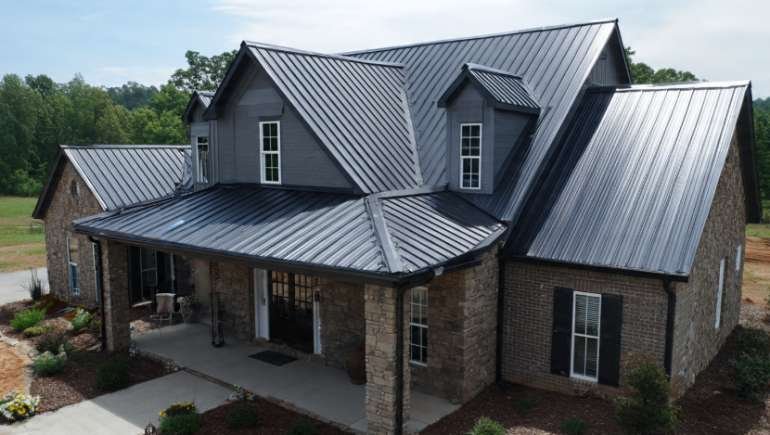
Areas with frequent rain demand efficient water drainage and strong leak resistance. Standing seam panels feature raised seams and concealed fasteners, which help water flow smoothly across the surface. This design reduces exposure points and improves protection during heavy storms. As a result, buildings in regions with intense rainfall benefit from consistent water management.
Corrugated panels also handle rain effectively due to their wavy profile. The ridges guide water downward, which helps prevent pooling. Also, the exposed fasteners require proper sealing and professional installation to maintain performance over time.
Climate zones with seasonal rainfall still find corrugated designs practical because their shape encourages quick runoff and reliable drainage.
Wind Resistance and Storm-Prone Locations
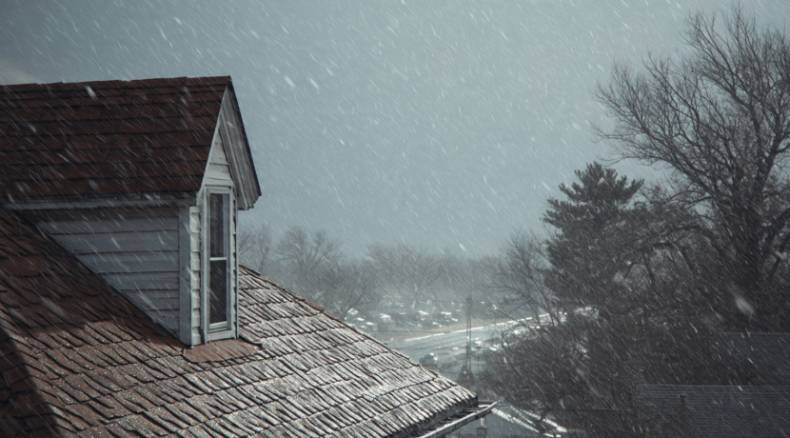
Strong winds demand roofing systems that hold firmly and maintain structural stability. Standing seam panels interlock tightly, which enhances wind resistance. This feature supports buildings in coastal regions and open landscapes where gusts can become intense. Secure connections also reduce panel movement during storms, improving long-term durability.
Corrugated metal roofs offer dependable performance in windy regions as well. Their curved shape increases rigidity and helps distribute pressure across the surface.
Professional fastening techniques further strengthen resistance against uplift. Wind patterns influence panel length, thickness, and installation methods, ensuring the selected roofing style performs well under storm conditions.
Snow Load and Cold Climate Performance
Cold regions introduce additional considerations such as snow accumulation and freeze-thaw cycles. Standing seam roofs feature smooth surfaces that allow snow to slide off gradually. This reduces heavy buildup and supports consistent weight distribution. Sloped installations also help prevent ice formation near seams.
Corrugated panels handle snow effectively because their ridges provide structural strength. These grooves help distribute weight evenly and maintain stability during the winter months. Proper spacing and secure installation further enhance performance in colder climates, helping structures maintain durability throughout the winter season.
Temperature Changes and Heat Reflection
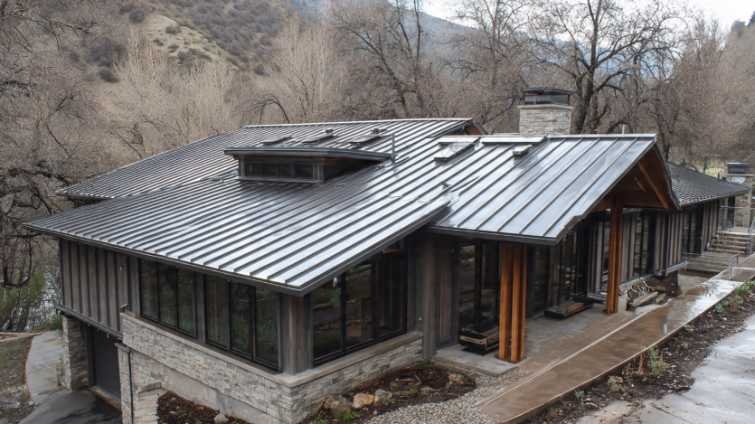
Temperature fluctuations affect roofing materials throughout the year. Metal roofs naturally reflect sunlight, which helps regulate indoor comfort. Standing seam panels allow for thermal movement due to their concealed fastening system. This design supports expansion and contraction without stressing the surface.
Corrugated panels also adapt to temperature changes. Their profile allows natural movement while maintaining structural integrity. When analyzing a standing seam vs a corrugated metal roof, temperature response plays an important role, as both designs support thermal performance and improve comfort in regions with extreme heat or seasonal temperature shifts.
Weather patterns influence roofing decisions more than any other factor, that is why metal roofing is the best choice. Rain, wind, snow, and temperature changes shape performance expectations and long-term durability. Standing seam and corrugated metal roofs both respond effectively to varying climates when matched with regional conditions. A weather-focused selection supports reliability, enhances protection, and promotes long-lasting performance for residential and commercial structures alike.