Comfort within a home depends heavily on how well it retains heat in colder months and keeps excess warmth out during summer. Windows play a central role in maintaining this balance, yet their condition can decline over time without immediate notice. Subtle warning signs may appear gradually, making it essential to recognize when efficiency begins to drop.
Homeowners who consider replacement windows at the right time can significantly improve indoor comfort and reduce unnecessary energy loss. Professional upgrades address hidden inefficiencies that simple repairs cannot resolve. Timely action ensures that the home remains energy-efficient while maintaining a polished appearance.
Drafts and Uneven Indoor Temperatures
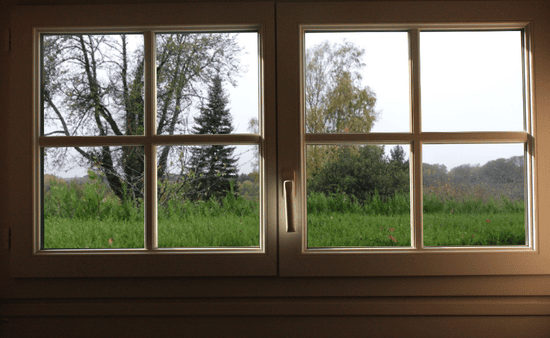
A noticeable draft near windows indicates that air enters or escapes through gaps or weakened seals. Rooms may feel colder near certain areas, even when heating systems operate effectively. Such inconsistencies suggest that the insulation around the windows has deteriorated. Temperature fluctuations can place extra strain on heating and cooling systems.
Professional replacement restores proper sealing and helps maintain a stable indoor climate. Persistent airflow issues may also contribute to discomfort during seasonal changes, making living spaces less enjoyable. Improved sealing enhances indoor air retention and supports better energy management throughout the home.
The Rising Energy Bills Without a Clear Cause
Unexpected increases in energy expenses can signal inefficiency within the home. Windows that no longer provide proper insulation allow conditioned air to escape, forcing systems to work harder. This situation results in higher usage without noticeable changes in daily habits.
Modern solutions offer improved insulation and advanced materials designed to conserve energy. Window replacement helps reduce energy waste and create a more cost-effective environment. Homeowners thus benefit from improved efficiency while enjoying consistent comfort throughout the year.
Visible Damage and Frame Deterioration
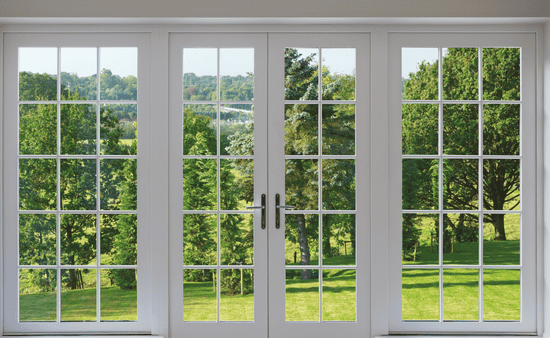
- Cracked glass or warped frames indicate structural wear that affects performance.
- Moisture damage around the frame can weaken the surrounding materials.
- Peeling paint or softwood surfaces suggests prolonged exposure to moisture.
- Difficulty in opening or closing windows points to alignment issues.
Visible deterioration caused by underlying deterioration mechanisms reduces the ability of windows to seal properly. Professional replacement ensures that structural integrity is restored and long-term performance is improved.
Condensation Between Glass Panes
- Foggy glass between panes signals a broken seal within double or triple-glazed units.
- Moisture trapped inside reduces insulation efficiency and clarity.
- Persistent condensation indicates that the insulating gas has escaped.
- Reduced visibility affects both aesthetics and functionality.
Sealed glass units are designed to maintain a barrier against temperature transfer. Once the seal fails, performance declines rapidly. So, replacement becomes the most effective solution to restore clarity and insulation.
Outdated Design and Poor Insulation Technology
Older window designs lack the advanced features found in modern installations. Materials used in earlier constructions may not provide adequate thermal resistance. This gap in performance leads to continuous energy loss and reduced comfort.
Updated designs incorporate improved glazing, stronger frames, and better sealing systems. Professional installation ensures that each component functions as intended. Homes equipped with modern replacement windows experience improved efficiency and a noticeable upgrade in comfort.
Hence, clear signs of window inefficiency should never be ignored. Professional replacement enhances comfort, reduces energy loss, and improves durability. Timely upgrades create a more efficient and comfortable living environment.