
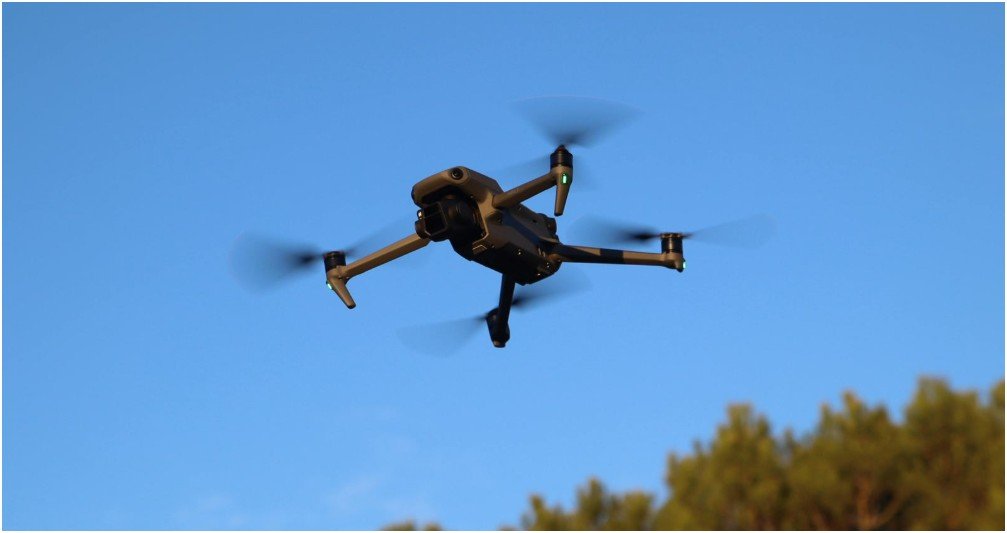
Small drones have changed the way threats appear on the battlefield. They are cheap, easy to deploy, and difficult to track with traditional systems. As a result, defense teams face pressure to respond quickly and reliably.
Electronic countermeasures do not always succeed, especially against autonomous or signal-resistant drones. This has pushed interest toward direct physical interception methods or kinetic anti drone solutions. Kinetic anti-drone rounds have emerged as a practical option in these situations.
The Shift Toward Physical Interception
Modern drone threats demand immediate action at close range. Electronic tools like jammers depend on signal disruption, which is not always possible. Some drones operate on pre-programmed paths, making them immune to interference.
In these cases, a physical strike becomes the most direct solution. Kinetic rounds provide exactly that by focusing on impact rather than disruption. This shift reflects a need for certainty in high-pressure environments where hesitation can lead to serious consequences for personnel and assets.
How Kinetic Rounds Improve Hit Probability
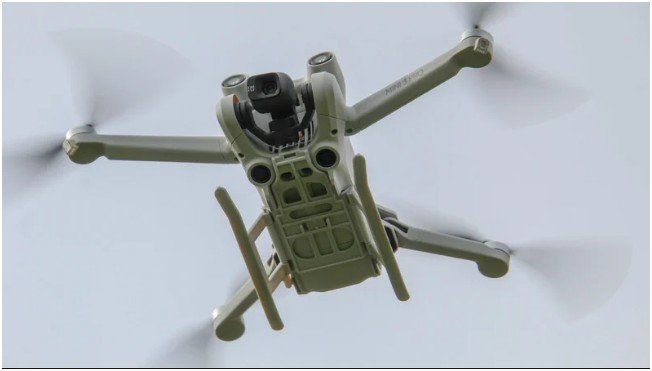
Traditional bullets require precise aim, which can be difficult against small, fast-moving drones. Kinetic anti-drone rounds address this issue by releasing multiple projectiles in flight. This creates a wider spread pattern that increases the chance of contact.
Even slight aiming errors can still result in a successful hit. As a result, personnel gain a better margin for error during engagement. This feature makes these rounds especially useful in unpredictable scenarios where reaction time is limited and accuracy becomes harder to maintain.
Compatibility with Standard Weapons
One of the main reasons for growing adoption is compatibility with existing firearms. These rounds can be used with standard rifles, such as those chambered in common military calibers. This removes the need for new weapons or extensive retraining.
Personnel can integrate them into current loadouts without major adjustments. In addition, logistics become simpler since existing platforms remain in use. This convenience supports faster deployment in active situations and reduces operational costs associated with new system integration or replacement.
Filling the Gap in Layered Defense Systems
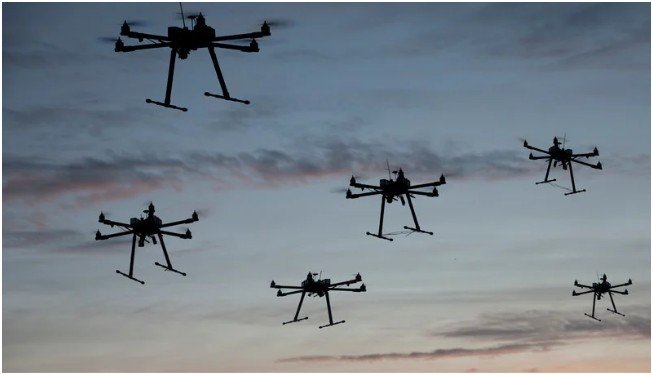
Drone defense often relies on multiple layers, from detection to neutralization. Sensors and radar systems can identify threats, but they do not eliminate them. Kinetic rounds fill this final step by providing a direct method of neutralization.
They serve as a close-range option when other systems fall short. This role is especially important in environments where rapid response is critical. As a result, they strengthen the overall defense structure including reducing rifle recoiling with high grade silencers and ensure that no gap remains between detection and effective threat elimination.
Practical Use in Real-World Scenarios
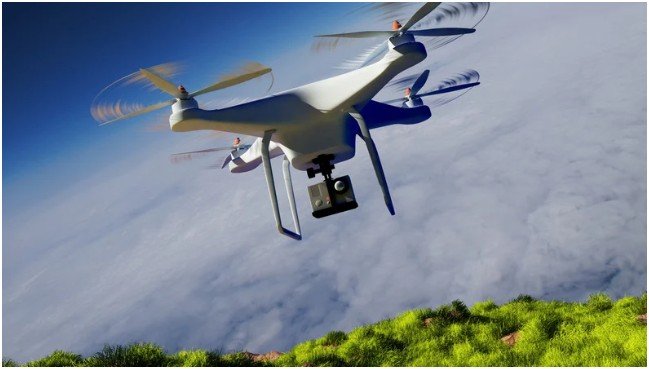
Field conditions rarely allow perfect engagement setups. Drones can appear suddenly and move unpredictably. Kinetic rounds offer a simple and immediate response in such cases. Personnel do not need to rely on complex systems or external support.
A standard rifle equipped with the right ammunition can address the threat quickly. This practicality makes them valuable in both military and law enforcement operations where quick decisions and reliable tools determine the outcome of high-risk situations.
Kinetic anti-drone rounds have gained attention due to their direct and reliable approach. These anti drone solutions address gaps left by electronic countermeasures and complex systems. Their ability to improve hit probability and work with existing weapons adds to their appeal.
In addition, their role within layered defense strategies strengthens their importance. As drone threats continue to evolve, practical solutions like these remain essential. Their growing use reflects a clear demand for simple and effective defense tools.