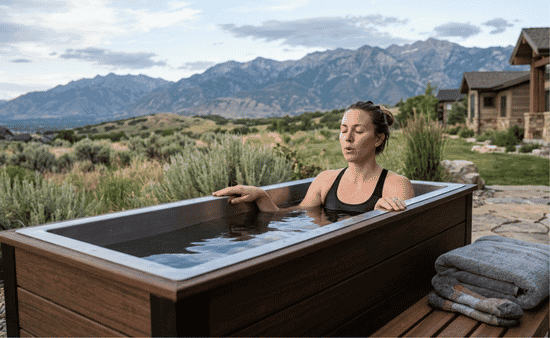
Cold plunge therapy has moved from niche wellness circles into everyday routines across Utah County. More residents are exploring this practice as part of a broader focus on physical recovery and mental clarity. The appeal lies in its simplicity, requiring only cold water exposure and consistency. With increasing awareness around wellness habits, cold immersion is becoming a regular addition to health-focused lifestyles in the region.
The growing interest in a cold plunge in Utah County is closely tied to shifting attitudes toward proactive health management. Individuals are seeking methods that support both physical resilience and mental balance without relying on complex routines. Cold immersion fits into this approach by offering a structured, repeatable practice. As more people share their experiences, curiosity continues to build within local communities.
Physical And Mental Health Benefits Driving Interest
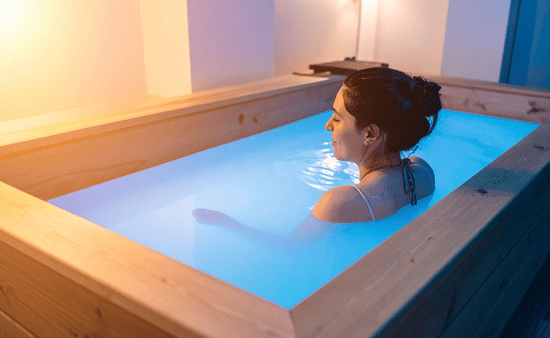
Cold plunge therapy is sometimes associated with measurable improvements in how the body responds to stress and recovery demands. The controlled exposure to cold water activates natural processes that help regulate inflammation and circulation. These effects make it a practical addition for individuals with active routines or physically demanding schedules.
Key Benefits Supporting Its Rise
- Improved circulation supports oxygen delivery throughout the body, helping maintain consistent energy levels
- Reduced muscle soreness allows for quicker recovery after workouts or long workdays
- Enhanced mental focus develops through repeated exposure to controlled discomfort
- A better stress response improves the ability to manage daily challenges with stability
Lifestyle Trends And Community Influence
Utah County has seen a noticeable shift toward structured wellness habits that integrate easily into daily schedules. Cold plunging aligns with this trend because it does not require extensive preparation or specialized training. The practice can be adapted for both beginners and experienced individuals, making it accessible to a wide range of people.
Social environments also play a role in its rising popularity. Group wellness activities and shared routines encourage participation and consistency. The presence of dedicated spaces for cold immersion further supports this growth by providing structured environments for practice.
Factors Contributing To Its Growth
- Increased awareness of recovery methods among fitness-focused individuals
- Expansion of wellness communities promoting consistent habits
- Accessibility of cold plunge setups in residential and shared spaces
- Interest in routines that combine physical and mental benefits
The visibility of these practices continues to influence new participants. As more individuals adopt structured wellness habits, cold immersion naturally becomes part of the conversation.
Consistency And Routine As Key Drivers
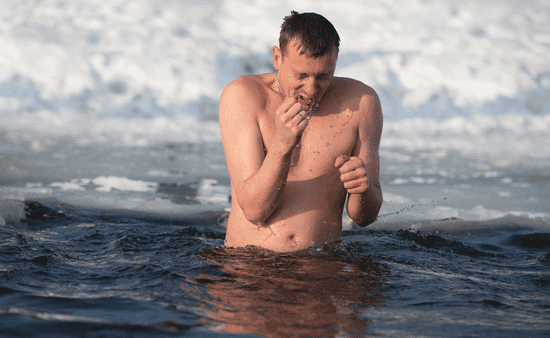
One of the main reasons for the sustained growth of cold plunging is its ability to fit into daily routines without disruption. The process is straightforward, allowing individuals to maintain consistency without extensive planning. Regular exposure reinforces the body’s ability to adapt, which supports both short-term and long-term benefits.
The increasing adoption of cold plunge in Utah County reflects a broader commitment to wellness practices that deliver clear, repeatable results. Individuals are not only trying the method but also integrating it into their weekly schedules. This consistency helps build familiarity and confidence, which encourages continued use.
Key Considerations When Choosing Cold Plunge Service Providers
Providers with structured processes ensure accurate installation, proper temperature control, and balanced filtration systems. Ongoing maintenance supports water quality and system stability, helping prevent performance issues and ensuring consistent, long-term usability.
Cold plunge therapy continues to gain attention because it meets the need for structured, effective, and manageable wellness practices. Its combination of physical recovery support and mental discipline makes it a practical choice for many residents. As awareness expands, the practice is likely to remain a steady part of Utah County’s evolving approach to health and well-being.