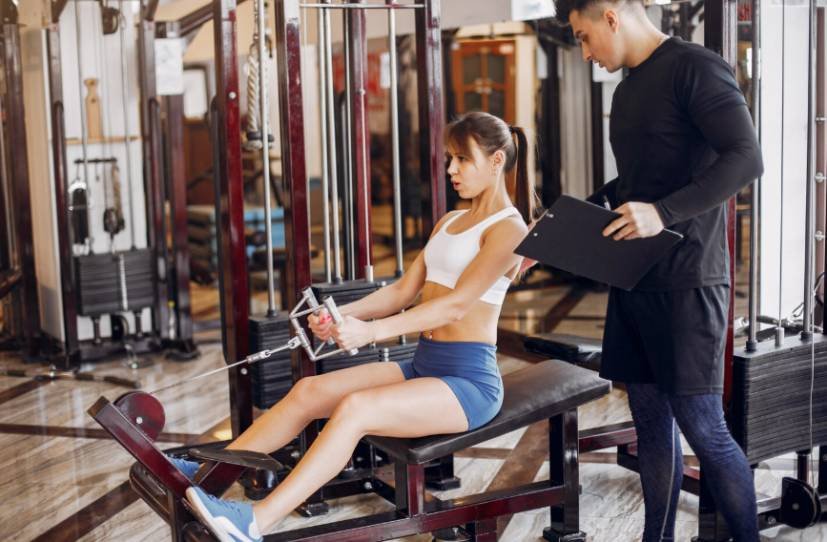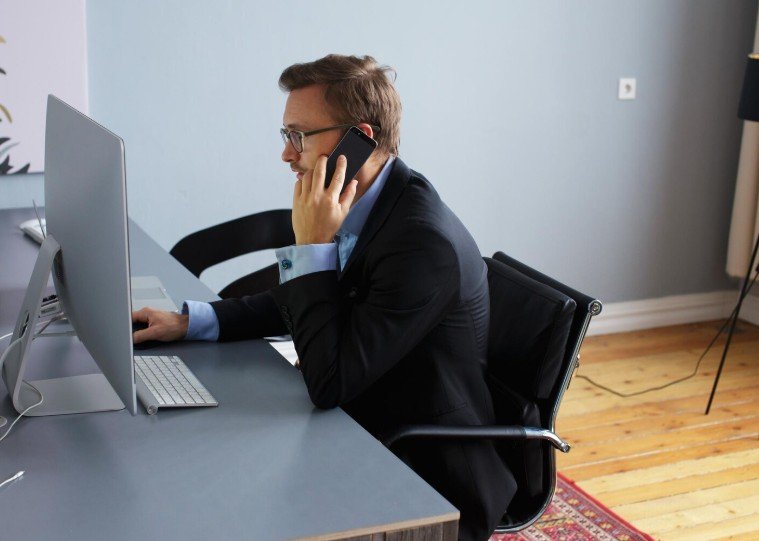

Sitting all day at a desk can make it challenging to maintain health and fitness — and that’s exactly why knowing how to stay fit with a desk job is essential for long‑term wellbeing. With most professionals spending 8–10 hours sedentary, prolonged sitting is linked to negative effects like slowed metabolism, increased fat storage, and higher risk of heart disease and diabetes if ignored.
The good news? You don’t need a gym membership or dramatic lifestyle overhaul to improve your health. Simple routines, built‑in movement, and smarter habits can keep your body active and productive throughout the workday.
Why Staying Active Matters for Desk Workers
Most adults today sit more than six hours daily — especially those tied to computers. That constant inactivity leads to:
- Slower calorie burn and reduced metabolism
- Poor circulation and muscle stiffness
- Increased risk of cardiovascular disease
- Back, neck, and shoulder tension from poor posture
Learning how to stay fit with a desk job isn’t just a matter of feeling better today — it’s about investing in long‑term health, energy, and productivity.
Integrate Movement Into Your Workday
One of the most effective ways to combat the health risks of sitting for long periods is by integrating movement snacks into your daily routine. A “movement snack” is simply a short burst of activity designed to get your blood circulating and muscles activated.
- Take regular breaks: Set a timer or use a fitness tracker to remind you to stand up, stretch, and walk around every 30 to 60 minutes. Even a few minutes of walking can make a big difference.
- Opt for standing or walking meetings: If possible, suggest phone calls or casual discussions that allow you to walk around instead of sitting down for a meeting. Not only does this help with your physical health, but it can also lead to more creative thinking.
- Modify your daily routine: Parking farther away from the building or getting off public transport a stop early adds extra steps to your day. Always take the stairs instead of the elevator for a quick burst of movement.
- Walk over to a colleague’s desk instead of sending an email or text. This is a great way to stay active and engage in face-to-face conversations.
Incorporate Desk Exercises

In addition to movement snacks, desk exercises can help keep you active while seated. These simple, low-effort exercises can be done during short breaks and don’t require any special equipment.
- Strengthen your upper body: Keep small hand weights or resistance bands at your desk for quick bicep curls or shoulder presses.
- Engage your legs: Perform seated leg lifts, calf raises, or chair squats to activate the muscles in your lower body. These exercises are easy to do and won’t distract you from your work.
- Use a stability ball: Instead of sitting on a regular chair, try using a stability ball for part of your day to engage your core muscles and improve posture.
These small exercises not only keep your body active but also improve your strength and flexibility over time.
Optimize Your Workspace Ergonomics
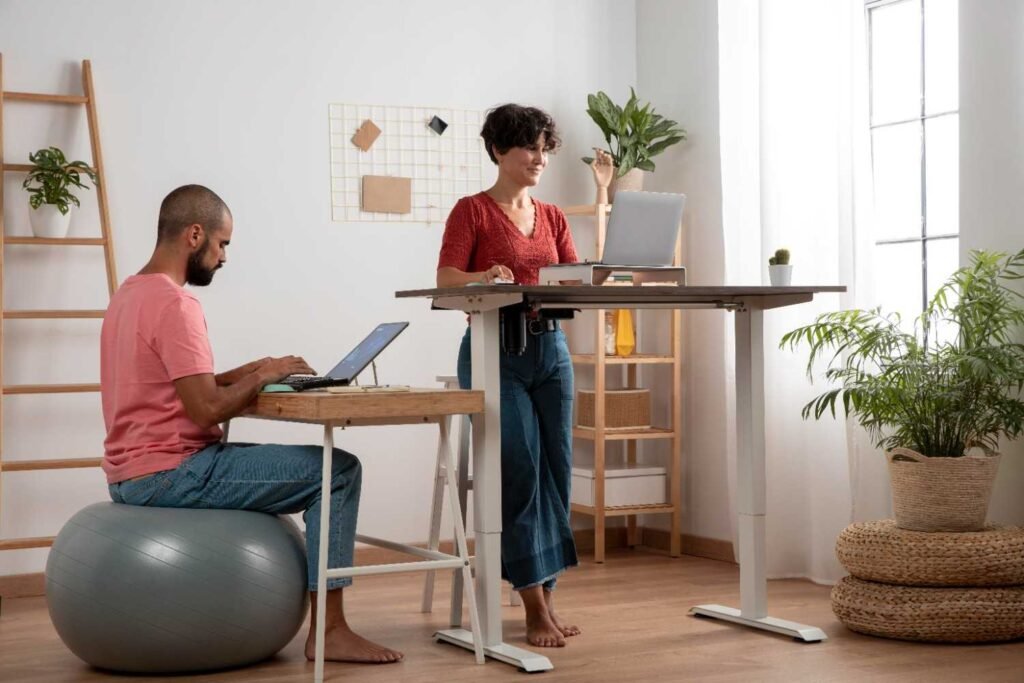
An ergonomic workspace can prevent strain and discomfort, allowing you to maintain better posture throughout the day.
- Choose a supportive chair: Your chair should provide good lumbar support and allow you to adjust the height so your feet rest flat on the floor.
- Position your monitor properly: Your screen should be at eye level, about an arm’s length away, to avoid neck and eye strain.
- Keyboard and mouse placement: Keep your wrists straight and your forearms parallel to the ground when typing. This ensures your hands are in a natural position, reducing wrist strain.
- Standing desks: If possible, switch to a sit-stand desk or use a sit-stand converter to alternate between sitting and standing. Aim for the 20-8-2 rule (20 minutes sitting, 8 minutes standing, 2 minutes moving/stretching every 30 minutes).
Focus on Nutrition and Hydration
What you eat and drink plays a major role in your overall health, energy levels, and productivity.
- Stay hydrated: Drink water consistently throughout the day. Staying hydrated supports brain function and energy levels and provides built-in opportunities to get up and walk to the restroom or water cooler.
- Meal prep healthy food: Pack your own nutritious meals to avoid unhealthy office snacks or fast food. Meal prepping ensures that you have balanced meals ready and helps you avoid impulse eating.
- Choose high-protein snacks: Keep nuts, fruit, yogurt, or other high-protein snacks handy to prevent junk food cravings and maintain energy throughout the day.
Maintain a Consistent Exercise Routine
Even with all the small movements at work, it’s important to prioritize dedicated exercise outside of your workday.
- Schedule workouts: Treat your workout like a meeting by scheduling it in your calendar, either before or after work. This ensures that exercise becomes a non-negotiable part of your day.
- Find activities you enjoy: The best way to stick with exercise is to find an activity you genuinely like — whether it’s cycling, running, yoga, or a fitness class.
- Prioritize sleep: A consistent sleep schedule is vital for recovery and maintaining energy levels throughout the day. Aim for 7-9 hours of sleep each night.
Frequently Asked Questions
1. Can staying fit with a desk job improve my productivity?
Yes! Moving regularly can improve circulation, energy levels, and focus, all of which contribute to enhanced productivity and cognitive function.
2. How often should I take breaks from sitting?
Experts recommend standing or moving every 30 to 60 minutes to avoid the negative health effects of prolonged sitting.
3. Can simple desk exercises really help with fitness?
Absolutely! Simple exercises like seated leg lifts, shoulder rolls, and desk push-ups can help maintain muscle tone and reduce stiffness without leaving your desk.
4. Do I need a gym to stay fit with a desk job?
No! With consistent movement breaks, ergonomic adjustments, desk exercises, and a healthy diet, you can stay fit without a gym. It’s all about building activity into your workday.
Make Movement a Priority in Your Workday
Understanding how to stay fit with a desk job isn’t just about fitting exercise into a busy schedule — it’s about reframing your workday as an opportunity for movement instead of stillness. From regular movement breaks and desk‑friendly exercises to smart eating habits and ergonomic workstation setups, the key is consistency. Apply these tips daily, and you’ll protect your health, sharpen your focus, and feel more energized — even with long hours of sitting.