
The journey toward a career in medicine is often described as a calling—a deep-seated desire to heal, to understand the complexities of the human body, and to improve the lives of others. However, the transition from a childhood dream to a practicing medical professional is a rigorous and structured path that requires immense dedication, academic excellence, and a lifelong commitment to learning.
In the modern healthcare landscape, this path is evolving to include not only traditional clinical practice but also integrative approaches that emphasize root-cause resolution and personalized care.
The Academic Foundation
The first step for any aspiring doctor begins long before medical school. A strong undergraduate foundation is critical. While many students choose biology or chemistry, medical schools value diverse backgrounds as long as the core prerequisites in sciences and mathematics are met. This stage is about more than just grades; it is about developing the critical thinking and analytical skills necessary to navigate the complexities of human health.
For some students, family foundations help in accessing education, providing resources and opportunities that strengthen their academic preparation.
During this time, aspiring practitioners often seek out volunteer opportunities or internships in clinical settings. This exposure is vital for understanding the daily realities of the profession—from the administrative challenges to the profound emotional weight of patient care.
Navigating the Traditional Medical Path
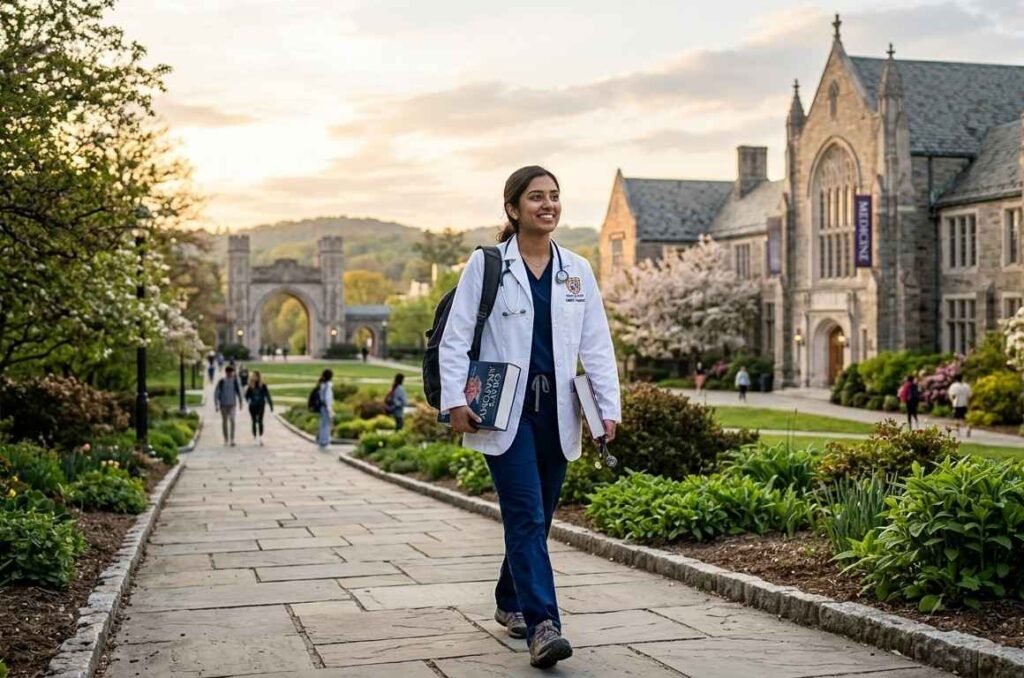
For those pursuing the title of Medical Doctor (MD) or Doctor of Osteopathic Medicine (DO), the road continues through four years of medical school followed by residency training. Medical school provides the comprehensive scientific knowledge and clinical rotations needed to diagnose and treat diseases. Residency then allows for specialization in areas such as pediatrics, surgery, or internal medicine.
However, many health professionals today find that the traditional model sometimes leaves gaps in addressing chronic, lifestyle-related conditions. This has led to a growing interest in specialized training that complements conventional medicine, such as the programs offered by The Academy of Functional Nutrition and Lifestyle Medicine (AFNLM).
The Rise of Integrative and Functional Care
Modern medicine is increasingly recognizing that patient health is not just the absence of disease but the optimization of biological systems. Many practitioners—including nurses, dieticians, and health coaches—are expanding their expertise by becoming wellness warriors who bridge the gap between clinical intervention and daily lifestyle habits.
For instance, a Certified Functional Nutritionist (CFN) uses evidence-based dietary protocols and lifestyle strategies to support individuals with balance disorders. These professionals often collaborate with physicians to provide a more holistic care model, speaking the same clinical language while focusing on therapeutic nutrition.
Specialization and Professional Growth

Once the foundational medical or health education is complete, many practitioners seek advanced credentials to distinguish themselves. Specialization allows a professional to address complex health concerns with greater precision. For those in the nutritional and lifestyle medicine space, advancing to a CFN-Specialist (CFN-S) provides in-depth training in systems like the immune, hormonal, and digestive systems.
In this evolving field, some practitioners also look toward broad-spectrum credentials like a functional medicine certification to further validate their expertise in root-cause analysis and systemic health management. This type of advanced education ensures that the practitioner can identify underlying functional imbalances before they escalate into acute symptoms.
The Role of the Modern Healthcare Team
It is important to remember that the path “from dream to doctor” does not always mean working in isolation. The most effective healthcare today is delivered by multidisciplinary teams. Registered nurses, nurse practitioners, and functional nutritionists all play vital roles in the patient journey.
By pursuing continuous education—whether through medical school, nursing programs, or specialized certifications—professionals stay at the forefront of evolving science. Programs like the Certified Functional Nutritionist path provide a structured, skill-building approach taught by practicing clinicians, ensuring that graduates are prepared for real-world clinical applications.
Conclusion: A Lifelong Mission
The path to becoming a medical professional is long and challenging, but it is also one of the most rewarding journeys one can undertake. Whether you are just beginning your undergraduate studies or you are an established practitioner looking to integrate functional principles into your care, the core mission remains the same: to empower others to lead healthier, more fulfilling lives.
By combining traditional medical excellence with advanced, individualized strategies, you can transform your dream into a career that makes a lasting impact on your community.