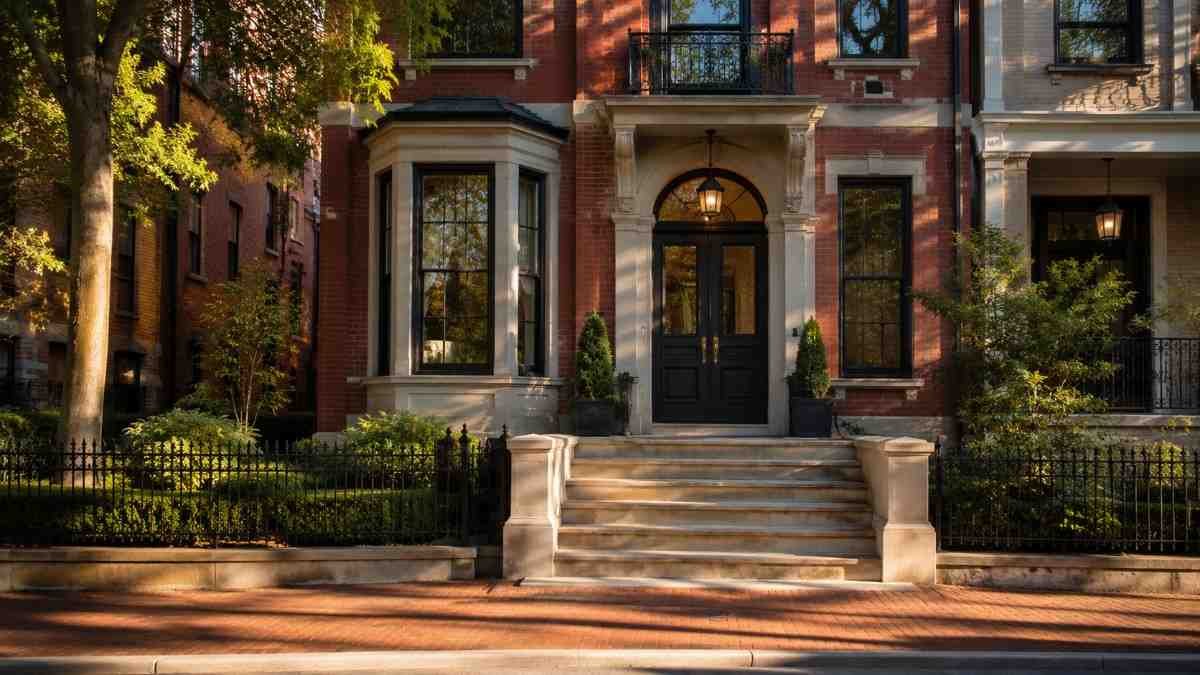
There is an undeniable allure to a building that has weathered the decades. Whether it is a classic townhouse with intricate moldings or a converted industrial warehouse with exposed brick, older structures possess a character that modern builds often struggle to replicate. However, the passage of time also brings challenges. What once felt visionary can quickly become “tired” without a strategic approach to maintenance.
Effective maintenance of an aging building is not merely about repair; it is about preservation, modernization, and foresight. By blending thoughtful updates with structural vigilance, you can ensure that a timeless property remains functional and efficient for the modern era.
Assessing the Foundation and Core
The most critical step in maintaining an aging building is looking past the aesthetics and focusing on the core. Before investing in cosmetic refreshes, you must evaluate the building’s structural integrity. Older buildings, especially those constructed before contemporary engineering standards, may suffer from deteriorating foundations, compromised load-bearing walls, or roofing instabilities.
Hiring a structural engineer or professional building inspector is essential. These professionals can identify safety concerns—such as rusted roofing screws, better attic insulation or cracks in the foundation—that could lead to catastrophic failures if ignored. Addressing these foundational issues first ensures that all subsequent improvements are built on a solid, long-lasting base.
Modernizing the Invisible Infrastructure
One of the greatest hurdles in older buildings is infrastructure that was never designed for the demands of the 21st century. Outdated electrical systems, corroded plumbing, and inefficient insulation are common culprits of high maintenance costs.
- Electrical Systems: Modern technology requires significantly more power than vintage systems provide. Upgrading wiring and adding more outlets is necessary for both safety and modern functionality.
- Plumbing: Older pipes, often made of materials prone to corrosion, should be replaced with modern materials like copper or PEX to prevent leaks and water damage.
- HVAC and Insulation: Older buildings frequently lack adequate insulation, leading to drafty rooms and high utility bills. Upgrading to energy-efficient HVAC units and sealing gaps in walls and ceilings can stabilize indoor temperatures.
Weatherproofing and the Exterior Envelope
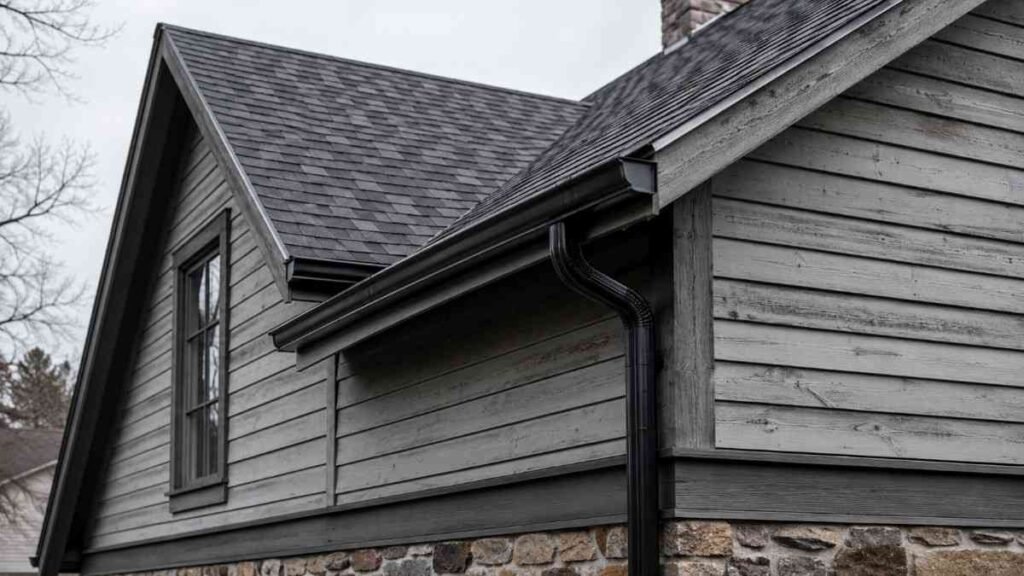
The exterior envelope—the roof, walls, and windows—is the building’s first line of defense against the elements. For aging structures, this defense is often weakened by years of exposure. Regular inspections are necessary to look for missing shingles, leaks, or weather-worn siding.
In colder climates, winter presents unique challenges. For example, implementing specialized measures for icicle prevention in Utah is a vital part of exterior maintenance, as it helps prevent the formation of ice dams that can pull down gutters or cause water to back up under roofing materials. Proactive exterior care, including power washing and repainting, not only protects the structure but also boosts the property’s curb appeal and long-term value.
Balancing Preservation with Innovation
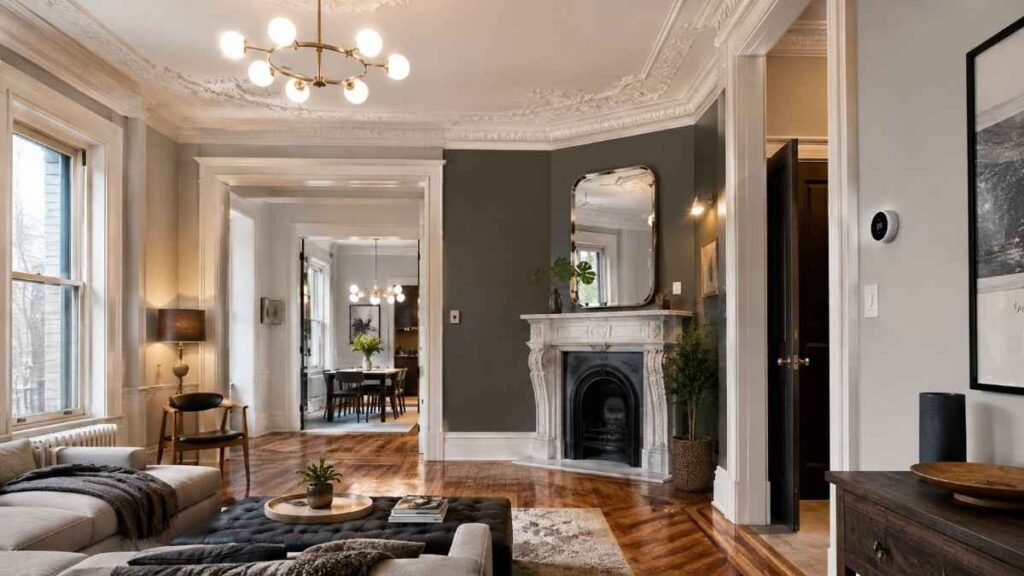
The goal of maintaining an aging building is often to preserve its “soul” while making it livable for today. You do not have to modernize everything to the point of losing original features. Many vintage elements, like hardwood floors, new roofing or decorative moldings, should be restored rather than replaced.
However, integrating smart home technology can breathe new life into these spaces without compromising their history. Smart thermostats, energy-efficient lighting, and modern appliances can lower energy usage while providing the convenience today’s occupants expect.
The Power of Sustainable Retrofitting
Maintenance today also means focusing on sustainability. Retrofitting an existing building is inherently eco-friendly because it preserves materials that would otherwise end up in a landfill. To further this effort, consider using sustainable materials during renovations—such as reclaimed wood, simple lawn care or low-VOC paints. These choices reduce the environmental footprint while adding a unique, high-end touch to the building’s design.
In Conclusion
Maintaining an aging building is a continuous journey that requires a balance of respect for the past and readiness for the future. By prioritizing structural health, modernizing core infrastructure, and protecting the building from the elements, you can transform a “tired” structure back into a “timeless” masterpiece. Every proactive step taken today ensures that the building continues to tell its story for generations to come.