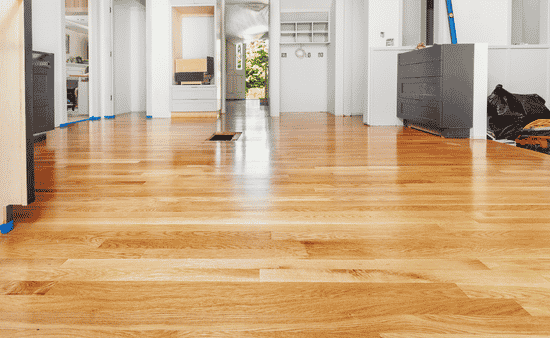
Hardwood floors are one of the most beautiful features a home can have. They add warmth, natural style, and a clean look that works well with many types of interiors. However, like any important home investment, hardwood floors need proper care to stay strong and attractive over time. For homeowners with hardwood flooring, daily habits can make a big difference.
Small actions such as cleaning spills quickly, using the right cleaning tools, and protecting floors from scratches can help extend the life of the wood. Hardwood is durable, but it still needs regular attention to keep its finish, color, and surface in good condition. The good news is that hardwood floor care does not have to be difficult. With the right routine and a few simple changes, homeowners can keep their floors looking polished and well-maintained for many years.
Clean Floors Regularly
Regular cleaning is one of the easiest ways to make hardwood floors last longer. Dirt, dust, and small debris can act like sandpaper when people walk across the floor. Over time, these tiny particles can create scratches and dull the surface. Sweeping with a soft broom or using a vacuum designed for hard floors can help remove daily dirt.
It is best to avoid vacuum settings with a harsh beater bar because it may scratch the wood. A microfiber dust mop is also a great tool because it picks up fine dust without being too rough on the surface. Keeping a simple cleaning schedule helps prevent buildup. Even a few minutes of regular care can protect the floor’s finish and keep the home looking fresh.
Wipe Spills Right Away
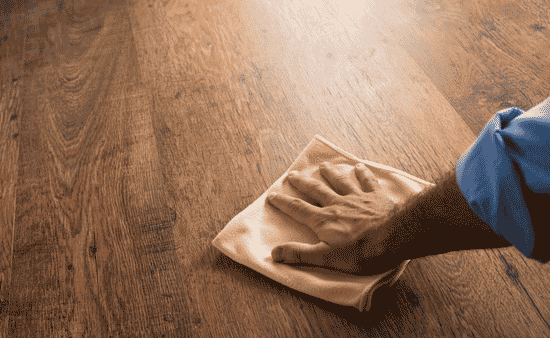
Water and hardwood floors do not mix well when moisture is left sitting for too long. Spills should be wiped up as soon as possible to prevent stains, warping, or damage to the finish. This is especially important in kitchens, dining rooms, entryways, and other busy areas.
Use a soft, dry cloth or slightly damp cloth to clean spills. The floor should never be soaked with water. Too much moisture can seep between planks and cause swelling or long-term damage. Quick cleanup is a simple habit, but it can help protect the floor from problems that are harder and more expensive to fix later.
Use the Right Cleaning Products
Not all cleaning products are safe for hardwood floors. Strong chemicals, waxy cleaners, and harsh scrubbers can damage the finish or leave behind a cloudy residue. Homeowners should use products made specifically for wood flooring or follow the care instructions recommended for their floor type. It is also important to avoid steam mops on hardwood floors.
Steam can push moisture into the wood and may cause damage over time. While steam cleaning may seem convenient, it can weaken the finish and affect the floor’s appearance. The right cleaner helps maintain the floor’s shine without stripping or harming the protective surface. A gentle approach is usually best when caring for real wood.
Protect Floors From Scratches
Scratches are one of the most common concerns with hardwood floors. Fortunately, many scratches can be prevented with simple protection. Furniture pads should be placed under chairs, tables, sofas, and other heavy pieces. This helps prevent marks when furniture is moved. Area rugs and runners can also protect high-traffic spaces such as hallways, entryways, and living rooms.
These areas often receive the most foot traffic, so extra protection can help reduce wear. Shoes can also affect hardwood floors. High heels, shoes with sharp edges, and dirty soles can leave marks or scratches. Encouraging family members and guests to remove shoes at the door can help keep floors cleaner and safer from damage.
Control Indoor Humidity
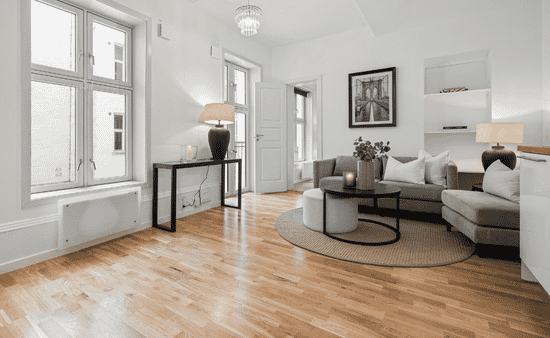
Hardwood is a natural material, which means it can react to changes in moisture and temperature. When the air is too dry, wood may shrink and create gaps. When the air is too humid, wood may expand or cup. Maintaining balanced indoor humidity can help keep hardwood floors more stable.
Weather changes can affect indoor conditions throughout the year. Using a humidifier during dry seasons or proper ventilation during more humid times can help support the life of the flooring. A stable indoor environment helps reduce stress on the wood. This can prevent movement, cracks, and other issues that may affect the floor’s appearance and performance.
Keep Entryways Clean
Entryways often bring in the most dirt, moisture, and debris. Placing mats near doors can help catch dust, small rocks, and water before they reach the hardwood floor. This is a simple way to reduce scratches and keep the rest of the home cleaner. Outdoor mats can help remove rough debris from shoes before people enter.
Keeping entryways organized also addresses Why Clutter Builds Up Faster Than Expected, as shoes, bags, and other everyday items are less likely to accumulate when there is a designated place for them near the door.
Indoor mats can catch anything left behind. It is important to choose mats that are safe for wood floors and do not have rubber backing that may trap moisture or affect the finish. A clean entryway can make daily floor care easier. It also helps protect the areas that usually experience the most wear.
Move Furniture Carefully
Dragging furniture across hardwood floors can cause deep scratches and dents. When moving heavy pieces, it is better to lift them instead of pushing or pulling them. If lifting is not possible, use proper moving pads or sliders made for hardwood floors.
Furniture should also be checked from time to time to make sure protective pads are still in place. Pads can wear down, collect dirt, or fall off over time. Replacing them when needed helps prevent accidental damage. Careful furniture movement protects the surface and keeps the floor looking smooth. A little extra caution can prevent marks that may require sanding or refinishing later.
Refinish When Needed
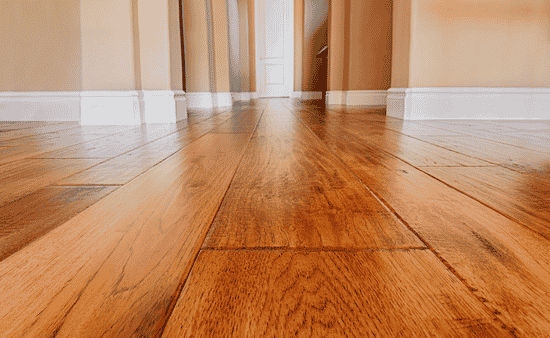
Even with good care, hardwood floors may eventually show signs of wear. The finish can become dull, scratched, or uneven after years of use. Refinishing can help restore the floor’s beauty and extend its life. Refinishing removes surface wear and adds a fresh protective layer.
This can make old hardwood floors look new again without fully replacing them. The timing depends on the type of wood, finish, and amount of traffic the floor receives. Professional evaluation can help homeowners know when refinishing is the right choice. Taking care of wear early can help prevent deeper damage to the wood itself.
Conclusion
Hardwood floors can last for many years when they are cared for properly. Regular cleaning, fast spill cleanup, scratch prevention, humidity control, and careful maintenance all help protect the floor’s beauty and strength. For homeowners with hardwood flooring in Salt Lake City homes, these simple habits can make a big difference in long-term performance. Hardwood is a valuable investment, and the right care can help it stay beautiful, comfortable, and durable for years to come.