

Safety training is no longer reserved for first responders or industry specialists. Today, adults from all walks of life are signing up for courses that teach them how to handle emergencies, protect their workplaces, and stay safe online. These programs build practical skills that can make a real difference when seconds count. Understanding your options is the first step toward choosing the training that fits your life and goals.
First Aid and Emergency Response Training
When an emergency strikes, the right knowledge can save a life. First aid and emergency response courses give adults the confidence to act quickly and correctly during medical crises. These programs are popular with parents, caregivers, teachers, and anyone who wants to be ready for the unexpected.
Basic Life Support and CPR Certification
Basic Life Support (BLS) and CPR certification teach the core techniques for responding to cardiac arrest and choking emergencies. Participants learn how to perform chest compressions, deliver rescue breaths, and use an automated external defibrillator. Most courses cover techniques for adults, children, and infants, since the approach differs for each age group.
These certifications benefit a wide range of people. Healthcare workers often need them for their jobs, but everyday individuals gain just as much value. Knowing how to respond when someone collapses or chokes means you can step in before professional help arrives—often the difference between life and death.
Advanced First Aid

Advanced first aid goes beyond bandages and basic care. These courses prepare participants to manage severe injuries, recognize and treat shock, and respond to traumatic situations with greater skill. Students learn to control serious bleeding, stabilize fractures, and assess a patient’s condition more thoroughly.
Some advanced programs also introduce specialized medical equipment used in emergency settings. This training suits people who work in remote locations, lead outdoor expeditions, or simply want a deeper understanding of emergency care.
Workplace Safety Training
A safe workplace protects both employees and employers. Many industries require formal safety training to meet regulations and reduce the risk of injury. These courses help workers identify hazards, follow proper procedures, and respond effectively when something goes wrong.
OSHA Compliance Training
Occupational Safety and Health Administration (OSHA) training is a cornerstone of workplace safety across many fields. The two most common levels are OSHA 10 and OSHA 30. The OSHA 10 course offers an introduction to workplace hazards and is ideal for entry-level workers. The OSHA 30 course goes deeper and is geared toward supervisors and managers who carry more responsibility for safety.
Completing OSHA training helps companies stay compliant with regulations while creating a safer environment for everyone on site. For workers, these certifications can also strengthen a resume and open doors to new opportunities.
Hazardous Material Handling
Some jobs involve working with or around dangerous substances. Hazardous material handling courses teach the proper way to store, handle, and transport these materials safely. Participants also learn emergency response protocols for spills, leaks, and exposure incidents.
This training is essential for workers in manufacturing, chemical processing, transportation, and waste management. Proper handling protects not only the individual but also coworkers, the community, and the environment.
Fire Safety and Prevention
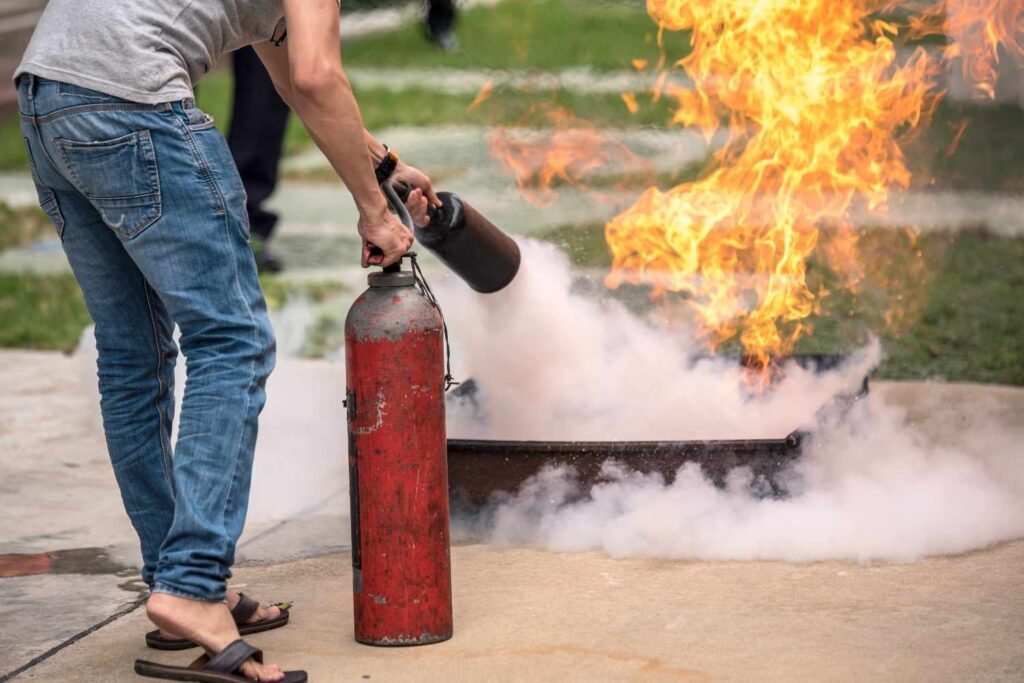
Fire safety training prepares people to prevent fires and respond calmly if one breaks out. Courses typically cover how to use a fire extinguisher, follow evacuation procedures, and recognize common fire hazards. Students learn the differences between fire types and which extinguisher works best for each.
This training applies to both homes and workplaces. Understanding how fires start and spread helps individuals reduce risk and protect those around them.
Personal and Community Safety
Beyond the workplace, many adults seek training to protect themselves and their families. These courses focus on awareness, prevention, and the practical skills needed to stay safe in everyday situations.
Self-Defense and Personal Protection
Self-defense courses teach practical techniques for protecting yourself and staying aware of your surroundings. Different programs draw on various martial arts and combat styles, but most emphasize situational awareness as much as physical skill. Learning to recognize and avoid danger is often more valuable than any single technique.
These classes empower people of all ages and fitness levels. Beyond the physical benefits, many participants report feeling more confident and in control of their personal safety.
Firearms Safety and Training
Responsible firearm ownership starts with proper education. Firearms safety courses cover safe handling, secure storage, and the laws that govern ownership and use. Students learn how to treat every firearm with care and respect to prevent accidents.
For those interested in carrying a firearm in public, a concealed carry class in Jacksonville, FL, covers the additional rules, responsibilities, and skills required to obtain a permit. These programs stress legal awareness and sound judgment alongside technical ability.
Water Safety and Drowning Prevention
Water safety courses help adults stay safe in and around pools, lakes, and oceans. Some programs teach adults how to swim, while others focus on rescue techniques and general water safety practices. Participants learn how to spot the signs of drowning and respond without putting themselves at risk.
This training is especially valuable for parents, caregivers, and anyone who spends time near the water. Drowning often happens quickly and quietly, so knowing how to prevent and respond to it matters.
Specialized Safety Training
As risks evolve, so do the courses designed to address them. Specialized training tackles modern challenges that traditional safety programs may not cover. These options appeal to adults who want to stay ahead of new threats.
Cyber Security Awareness

Protecting personal and financial information online has become a daily concern. Cybersecurity awareness courses teach adults how to recognize phishing scams, create strong passwords, and practice safe internet habits. Students learn to spot the warning signs of fraud before it causes harm.
This training suits anyone who shops, banks, or communicates online. With cyber threats growing more sophisticated, basic digital safety skills are now as important as locking your front door.
Disaster Preparedness and Survival
Natural disasters and other emergencies can disrupt life without warning. Disaster preparedness courses teach adults how to build emergency kits, develop family emergency plans, and learn basic survival skills. Participants gain the confidence to act decisively when normal services break down.
These programs cover scenarios like floods, earthquakes, storms, and power outages. Being prepared reduces panic and helps families recover more quickly after a crisis.
Conclusion
Adult safety training spans a remarkable range, from foundational first aid to cybersecurity, Mental Health Care, and disaster readiness. Each course delivers practical skills that help individuals act with confidence during critical moments. Investing in safety training strengthens personal well-being and builds more resilient communities. Explore the options that match your needs, and take a meaningful step toward protecting yourself and those around you.