

Parenting is undeniably one of life’s most rewarding journeys, yet it can frequently feel like a high-wire act. Between managing a career, keeping up with household chores, and navigating a never-ending cycle of school runs and extracurricular activities, many parents find themselves constantly running on empty. The invisible pressure to execute everything perfectly often leads to unnecessary stress and eventual burnout.
However, transitioning your household from a state of constant chaos to a sustainable rhythm of calm doesn’t require a miracle—it just requires intentionality and a few smart systems. By shifting your focus toward proactive planning, you can transform the daily hustle into a structured flow. Here are essential life hacks to help busy parents streamline their days, reduce friction, and reclaim control over their schedules.
1. Master the Art of Night-Before Prep
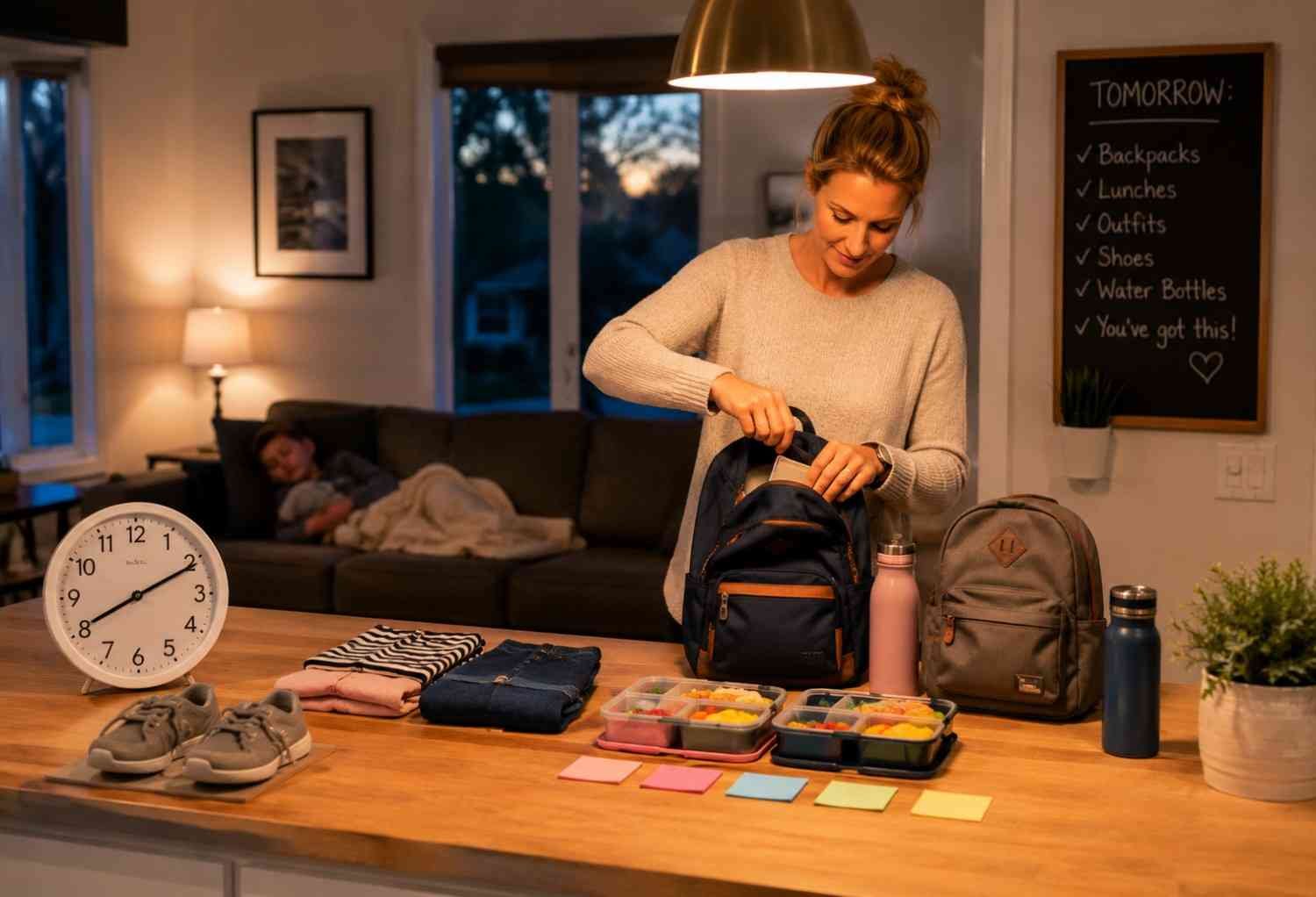
The secret to a calm morning actually begins the evening before. When multiple children are trying to get dressed, eat breakfast, and find their belongings simultaneously, anxiety spikes for everyone involved. Eliminate morning decision-making by handling the variables ahead of time.
Before you go to bed, lay out outfits for yourself and the kids, pack school backpacks, and place them directly by the door. Preparing lunches or setting up an assembly-line snack station the night before saves precious minutes during the morning rush. By shifting these tasks to the quiet evening hours, mornings can transform into a time for genuine family connection rather than a race against the clock.
2. Establish a Centralized Command Center
In a busy household, verbal reminders are bound to fail; you need a singular, visual “source of truth” that everyone can reference. Set up a central command center in a high-traffic area, such as the kitchen or entryway.
Your command center should feature a color-coded calendar where each family member is assigned a specific shade. At a glance, anyone can see who has soccer practice, doctor appointments, or special school deadlines. Pair this calendar with designated paperwork bins for school permission slips and a basic daily grid. This visual structure allows older children to see the day’s rhythm and learn to self-manage their prep.
3. Automate and Simplify Nutrition

Food preparation is frequently cited as a major stressor for busy households. To reclaim hours each week, embrace batch cooking on weekends or utilize kitchen tools like slow cookers and instant pots that allow for “set it and forget it” meals.
Stock your pantry with easy-to-assemble ingredients and keep healthy, easy-to-grab snacks readily accessible. Furthermore, involve your children in simple meal prep tasks. Letting them choose one meal per week or help with age-appropriate kitchen duties teaches them valuable nutrition and life skills while simultaneously lightening your evening workload.
4. Implement Streamlined, Age-Appropriate Chores
You cannot run a household by yourself without burning out; family management requires consistent teamwork. Break down household responsibilities into bite-sized, predictable tasks rather than giving vague commands.
Instead of asking a child to “clean the living room,” assign specific ownership: one child gathers stray shoes, another stacks books, and another wipes down low tables. Rotate these chores monthly to share skills, and use visual checklists so you do not have to spend your evening playing the role of an exhausting supervisor.
5. Leverage Your Support Network and Outsource Care

Recognizing when you need external infrastructure is a sign of management strength, not weakness. Parenting should never be a solo endeavor. Connect with friends, extended family, or local community groups to share the operational load, whether through carpooling or swapping childcare duties.
Sometimes, the best way to inject calm into a hectic schedule is to give young children a dedicated, enriching environment during peak operational hours. For instance, enrolling your little ones in a high-quality daycare in Albuquerque can provide the structured, reliable routine they need while freeing up your mental bandwidth to manage the rest of the family’s logistics.
6. Practice Self-Care and Set Realistic Expectations
Perhaps the most critical strategy for parenting on the go is a mental one: letting go of the need for perfection. It is also worth remembering that there is no single answer to which parenting style is the best, as every family benefits from an approach that reflects their children’s needs and values. Perfectionism sets unrealistic expectations that cause friction and disappointment. It is perfectly okay if the house isn’t spotless or if dinner isn’t a gourmet production every single night.
Additionally, self-care is a necessity for survival, not an unattainable luxury. Taking even fifteen minutes for a quiet cup of coffee, a short walk, or a brief mindfulness exercise can profoundly recharge your energy levels. A calm, healthy parent is far better equipped to handle the daily hustle and engage positively with their children. The goal is to prioritize connection over a flawless to-do list, finding joy in the journey.