A pool can look impressive on paper and still feel wrong in the yard once construction is finished. That gap usually comes down to planning. Before anyone locks in a layout, the best decision-makers think beyond shape and size. They evaluate how the pool will function day to day, how it will sit within the rest of the property, and whether the design will still feel right years from now.
That is the difference between a pool that simply exists and one that genuinely improves the home. Jones Outdoors approaches projects from that broader perspective, which matters because a pool rarely stands alone. It affects circulation, grading, privacy, shade, hardscaping, and the overall character of the outdoor space. If you are doing a Google search for “swimming pool design near me,” the real question is not just who can build it. It is who can help you make the right design decisions before the first shovel hits the ground.
Start With How You Actually Plan to Use the Pool
The first mistake many owners make is treating the pool as a visual feature before defining its job. A pool built for quiet family use should not be planned the same way as one intended for entertaining large groups. The right design starts with the patterns of life around it.
A family-focused pool may need safe entries, shallow lounging space, and clear sightlines from the patio or kitchen windows. A design for hosting may need more deck space, integrated seating, and transitions that make it easy to move between the pool, outdoor dining, and fire features. A retreat-style project may prioritize water movement, privacy screening, and a more sculptural look.
Lifestyle Goals Should Drive the Layout
A strong design brief should answer a few practical questions:
- Will the pool be used daily or mainly on weekends?
- Is this a recreation space, a wellness space, or an entertaining space?
- Do children, older adults, or frequent guests need special access or safety considerations?
- Should the design support future additions such as a pool house or outdoor kitchen?
Jones Outdoors often treats those questions as the real foundation of the project. That approach reduces the risk of creating a beautiful pool that does not match the owner’s habits.
One Pool, or a Larger Outdoor System
It is also worth deciding whether the pool is the only major element or part of a larger backyard transformation. A pool-focused approach can work when the site is simple and the goal is straightforward. For a broader project, a combination of planning methods can help coordinate the pool, patio, landscaping, and outdoor living features from the start.
That broader view is a major advantage of Jones Outdoors. Their work is not limited to pool excavation. They design complete outdoor environments, which means the pool can be integrated with hardscaping, plantings, pool houses, fire pits, and lounging areas in a way that feels intentional rather than patched together.
Treat the Site as a Design Partner, Not an Obstacle
A pool design is never just an abstract concept. It has to work with the property that already exists. Slope, drainage, access, sun exposure, and available space all affect what is feasible and what will feel comfortable after installation.
In practical terms, this is where many projects become either successful or disappointing. A pool that ignores site realities may create drainage issues, awkward transitions, or excessive maintenance. A design that responds well to the site usually feels more natural, performs better, and ages more gracefully.
The Best Pool Designs Fit the Property, Not Just the Trend
There is nothing wrong with liking a specific style. The problem comes when trend outruns context. A modern geometric pool can look excellent on the right property, but it may feel forced if the surrounding architecture or yard layout calls for a softer, more integrated approach. Likewise, a resort-style design can be compelling, but only when there is enough room and the surrounding features support the experience.
Jones Outdoors emphasizes design that aligns with the property as much as the preference of the owner. That matters in Northern Utah, where lot shapes, neighborhood character, and seasonal conditions all influence how a design should be shaped.
Consider Sun, Shade, and Seasonal Use
A thoughtful design should account for more than the water itself. It should consider where people will walk, sit, dry off, gather, and transition into the home. In many cases, those circulation patterns matter as much as the pool shell.
Think About Access, Views, and Privacy
The best pool designs do not just look good from above. They feel balanced from the places where people actually live. That includes views from the house, privacy from neighboring properties, and access routes for both everyday use and maintenance.
If the pool is visible from important interior spaces, it should enhance the view rather than crowd it. If neighbors are close, planting strategy and hardscape placement matter more than many owners expect. These details are often what separate a technically correct design from a genuinely polished one.
Build the Surrounding Space at the Same Time
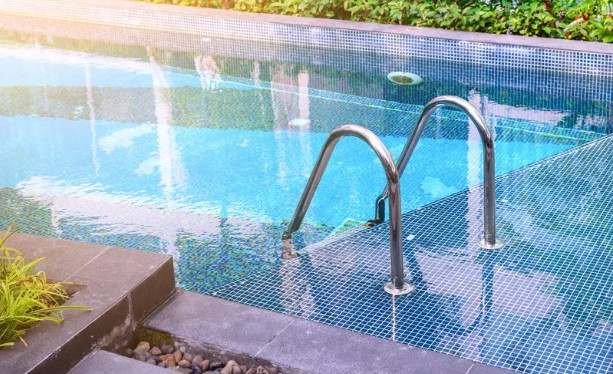
A pool is only one part of the outdoor experience. The area around it determines how often it gets used and how well it fits the home. Decking, seating, circulation, storage, shade, and plant selection all influence whether the space feels complete.
This is why Jones Outdoors often approaches pool design as part of a larger backyard composition. A pool surrounded by mismatched surfaces or disconnected features can feel unfinished. A pool designed alongside patios, retaining features, and landscape structure feels deliberate and valuable.
Hardscaping Shapes the Experience
Hardscaping is not just decoration around a pool. It determines safety, usability, and the overall rhythm of the backyard. The right paving materials, edge conditions, and transitions can make the space feel seamless. Poorly planned hardscaping can make the same pool feel cramped or fragmented.
That becomes even more important when the project includes multiple outdoor zones. For example, a lounging terrace, cooking area, and pool entry path all need to work together. The design should make movement easy without making the yard feel overbuilt.
Water Features and Pool Houses Add Depth When Used Purposefully
Cascading waterfalls, pool houses, and similar additions should support the experience, not distract from it. A waterfall can create sound, motion, and visual interest. A pool house can improve convenience, privacy, and storage. But each element needs a reason to be there.
When these features are planned early, they can improve the overall balance of the property. When they are added later without coordination, they often feel like accessories instead of part of the architecture. Jones Outdoors is well positioned for this kind of integrated planning because their work extends beyond the pool shell into the broader outdoor environment.
Choose Materials and Equipment for Performance, Not Just Appearance
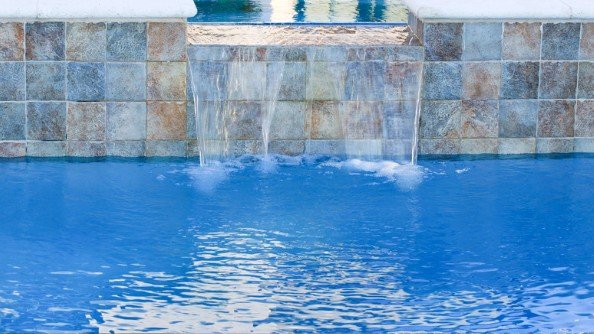
A premium pool should look good, but it also needs to be practical in real conditions. Surface choices, equipment placement, circulation strategy, and structural system all affect long-term performance. The surrounding landscape matters too: choosing plants and drainage with care can help you prepare your garden for every season. This is where a good design conversation becomes a smart investment conversation.
Different materials and construction systems have different strengths. Some priorities are visual. Others are about maintenance, durability, and how the pool behaves across changing seasons. The point is not to chase the most complex option. It is to match the system to the site and the owner’s expectations.
Jones Outdoors is a licensed dealer for Leisure Pools and Thursday Pools, which gives clients access to recognized product options while still allowing the design to be shaped around the property. That combination matters because the shell or system should support the design, not limit it.
Finalize the Design Only After the Practical Questions Are Answered
Before a design is approved, it should pass a simple test: does it work as a real backyard, not just a concept rendering? That means the layout should be clear, the circulation should make sense, the surrounding features should feel integrated, and the long-term maintenance implications should be understood.
A few final checks are worth making before moving ahead:
- Does the pool support the way the space will actually be used?
- Does it fit the architecture and scale of the property?
- Are the patio, planting, and access paths coordinated?
- Is there enough room for comfortable circulation and gathering?
- Will the design still feel relevant after the novelty wears off?
Those questions are especially important for homeowners comparing options in Davis County, Weber County, and Salt Lake County. The smartest projects are rarely the flashiest. They are the ones where the design is resolved before construction begins.
For homeowners who want a more strategic approach, Jones Outdoors offers the kind of planning process that connects the pool to the full outdoor living environment. If you want to see how that broader approach works in practice, review Jones Outdoors swimming pool services.
A final pool design should do more than look finished. It should feel inevitable, as if every part of the yard naturally leads to it. That level of clarity does not happen by accident. It comes from asking the right questions early, weighing the property honestly, and designing the pool as part of a complete outdoor experience.