
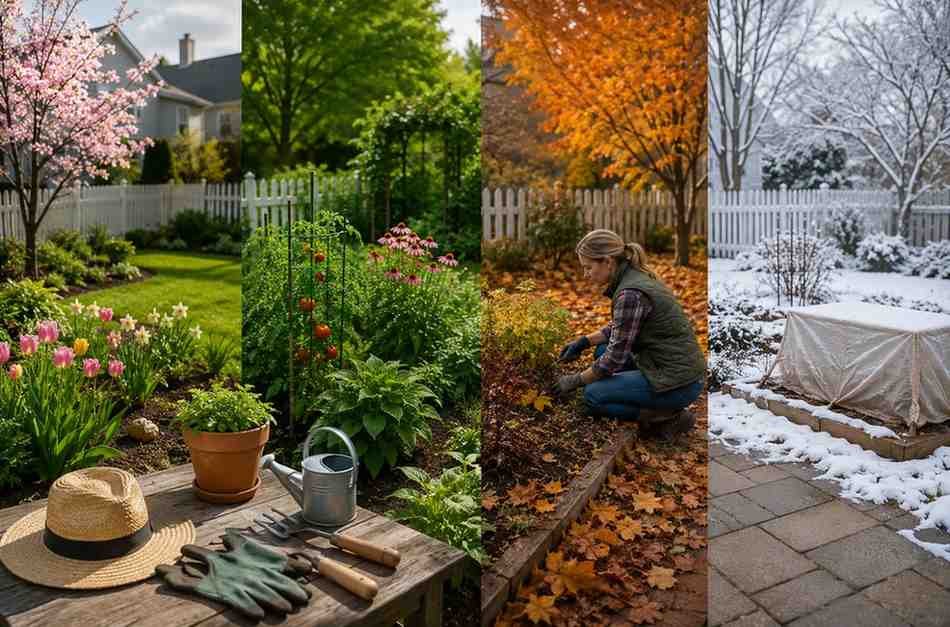
A beautiful garden requires ongoing care throughout the year. Each season brings different challenges, from changing temperatures and weather conditions to shifting plant needs. Preparing your garden ahead of time helps maintain healthy growth, prevent damage, and create an outdoor space that remains attractive in every season. With the right approach, homeowners can protect their plants, improve soil quality, and enjoy a thriving garden all year long.
Prepare Your Garden For Spring Growth
Spring is the season of renewal, making it the ideal time to restore your garden after the colder months. As temperatures begin to rise, plants start entering active growth periods and require attention to encourage strong development. Cleaning up winter debris, removing damaged plant material, and inspecting garden areas are important first steps.
Early spring preparation should include checking soil conditions and improving areas that may have lost nutrients. Adding organic materials and refreshing planting beds can help create a healthier environment for new growth. Proper soil preparation allows plants to establish stronger roots and improves their ability to thrive throughout the growing season.
This is also a good time to evaluate your garden layout and make adjustments. Relocating plants, adding new varieties, or redesigning certain areas can improve both appearance and functionality. Planning ahead ensures that your garden remains balanced and easier to maintain as the year progresses.
Focus On Planting And Maintenance
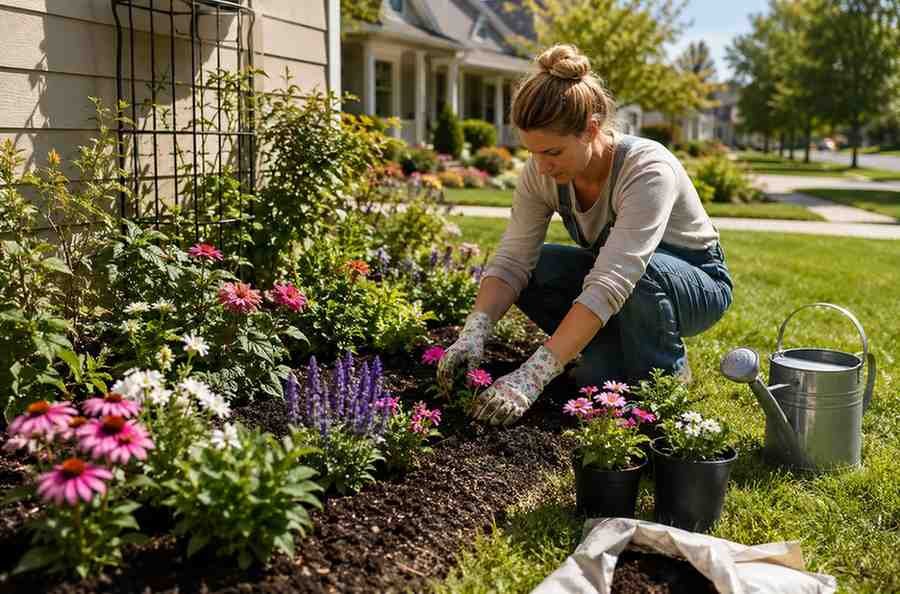
Spring provides an opportunity to introduce new plants and prepare existing ones for the warmer months. Pruning certain plants, adding mulch, and creating consistent watering routines can support healthier growth. Taking care of these tasks early helps reduce maintenance challenges later in the season.
For homeowners who want professional guidance, working with a landscaper in Salt Lake City can provide helpful insight into plant selection, seasonal timing, and garden care strategies suited to local conditions. Expert planning can help create a landscape that remains attractive while meeting the unique needs of the property.
Maintain Your Garden During Summer
Summer brings longer days and warmer temperatures, which means gardens often require more attention. Plants may experience stress from heat, limited rainfall, and increased exposure to sunlight. Regular care during this season helps protect plants and keeps outdoor spaces looking vibrant.
Watering practices are especially important during the summer. Providing adequate moisture while avoiding overwatering helps plants develop strong root systems. Watering at appropriate times and monitoring soil conditions can improve efficiency and support healthier growth.
Summer is also a great time to manage weeds, monitor plant health, and maintain garden appearance. Removing unwanted growth prevents competition for nutrients and helps keep garden beds organized. Regular trimming and cleanup can maintain a neat appearance while encouraging better plant development.
Protect Plants From Heat Stress
Extreme heat can create challenges for many gardens. Adding protective layers such as mulch can help regulate soil temperature, retain moisture, and reduce weed growth. Shade solutions may also benefit plants that are sensitive to intense sunlight.
Monitoring plants for signs of stress allows homeowners to address problems quickly. Wilting, discoloration, or slowed growth may indicate that adjustments are needed. Consistent observation helps prevent minor issues from becoming larger concerns.
Prepare Your Garden For Fall Changes
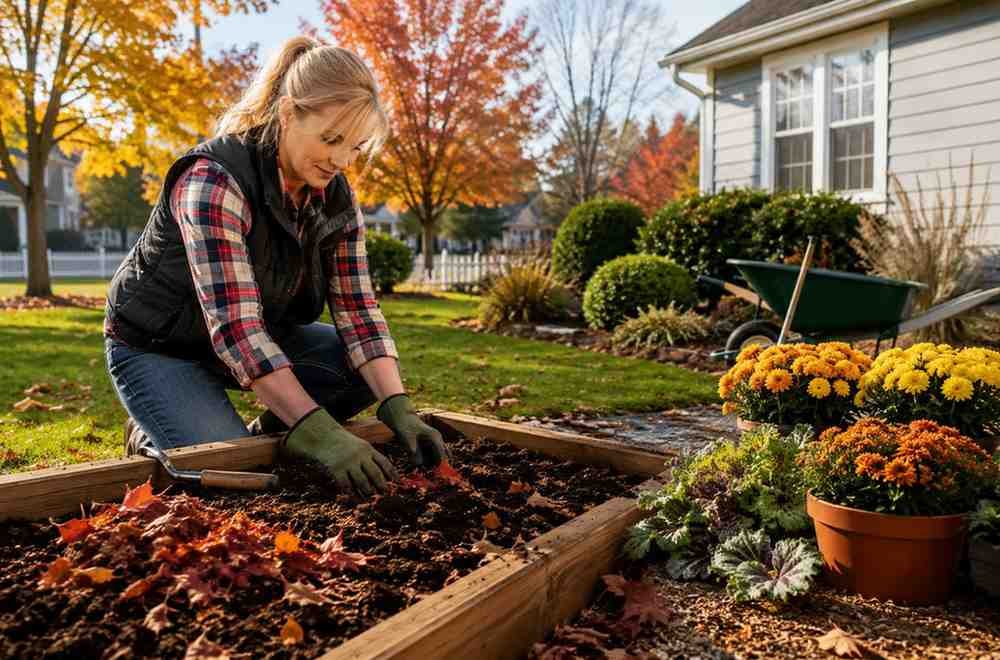
Fall is an important transition period when gardens begin preparing for colder weather. This season provides an opportunity to strengthen plants, improve soil conditions, and complete maintenance tasks before winter arrives. Taking action during the fall can make spring preparation much easier.
Cleaning garden beds, removing fallen leaves, and cutting back certain plants can help prevent disease and improve organization. However, some plant material may provide benefits during colder months, so maintenance should be approached carefully based on the needs of each garden.
Fall is also a good time to improve soil health. Adding compost or other nutrients allows materials to break down over winter and prepares planting areas for future growth. A healthy foundation supports stronger plants when the next growing season begins.
Plan Ahead For Future Growth
Fall offers an excellent opportunity to review what worked well during the year and identify areas for improvement. Homeowners can consider adding new plants, changing layouts, or adjusting maintenance routines based on seasonal experiences.
Planting certain trees, shrubs, or perennials during fall can also allow roots to establish before summer heat returns. Strategic planning during this season helps create a more resilient and attractive garden in the future.
Protect Your Garden During Winter
Winter preparation focuses on protecting plants and outdoor features from harsh conditions. Cold temperatures, frost, and moisture changes can affect plant health, especially for sensitive varieties. Proper preparation reduces potential damage and helps gardens recover more quickly when warmer weather returns.
Before winter arrives, homeowners should complete necessary cleanup and protection tasks. This may include covering vulnerable plants, storing delicate garden items, and ensuring drainage systems function properly. Preventing water-related issues can protect both plants and outdoor structures.
Winter is also a valuable time for planning. Reviewing garden performance, researching improvements, and creating a seasonal schedule can help homeowners approach the next year with a clear strategy.
Maintain Garden Health During Dormant Months
Although many plants become inactive during winter, gardens still benefit from occasional attention. Checking protective coverings, monitoring outdoor conditions, and removing damaged materials when needed can help maintain overall health.
Winter preparation is not only about preventing problems but also about creating better opportunities for future growth. A well-prepared garden can transition into spring more effectively and require fewer corrective efforts.
Use A Seasonal Garden Care Routine

Maintaining a garden throughout the year becomes easier when tasks are organized by season. A consistent routine helps homeowners remember important maintenance steps and prevents small issues from becoming difficult challenges. It also creates opportunities to adopt ways to make your garden more sustainable, such as conserving water, improving soil naturally, and selecting plants that thrive in local conditions.
Seasonal gardening involves understanding how plants respond to changing conditions. Spring focuses on growth, summer emphasizes protection and maintenance, fall prepares the garden for transition, and winter focuses on preservation. Following this natural cycle creates a healthier and more sustainable outdoor environment.
A planned approach also allows homeowners to enjoy their gardens more. Instead of reacting to problems, regular seasonal care creates confidence and makes outdoor spaces easier to manage.
Conclusion
Preparing your garden for each season helps protect plants, improve appearance, and create a more enjoyable outdoor environment throughout the year. By adjusting care routines based on seasonal changes, homeowners can support healthier growth and prevent unnecessary problems. From spring planting to winter protection, consistent attention allows gardens to remain beautiful, functional, and ready to thrive whenever the next season arrives.