
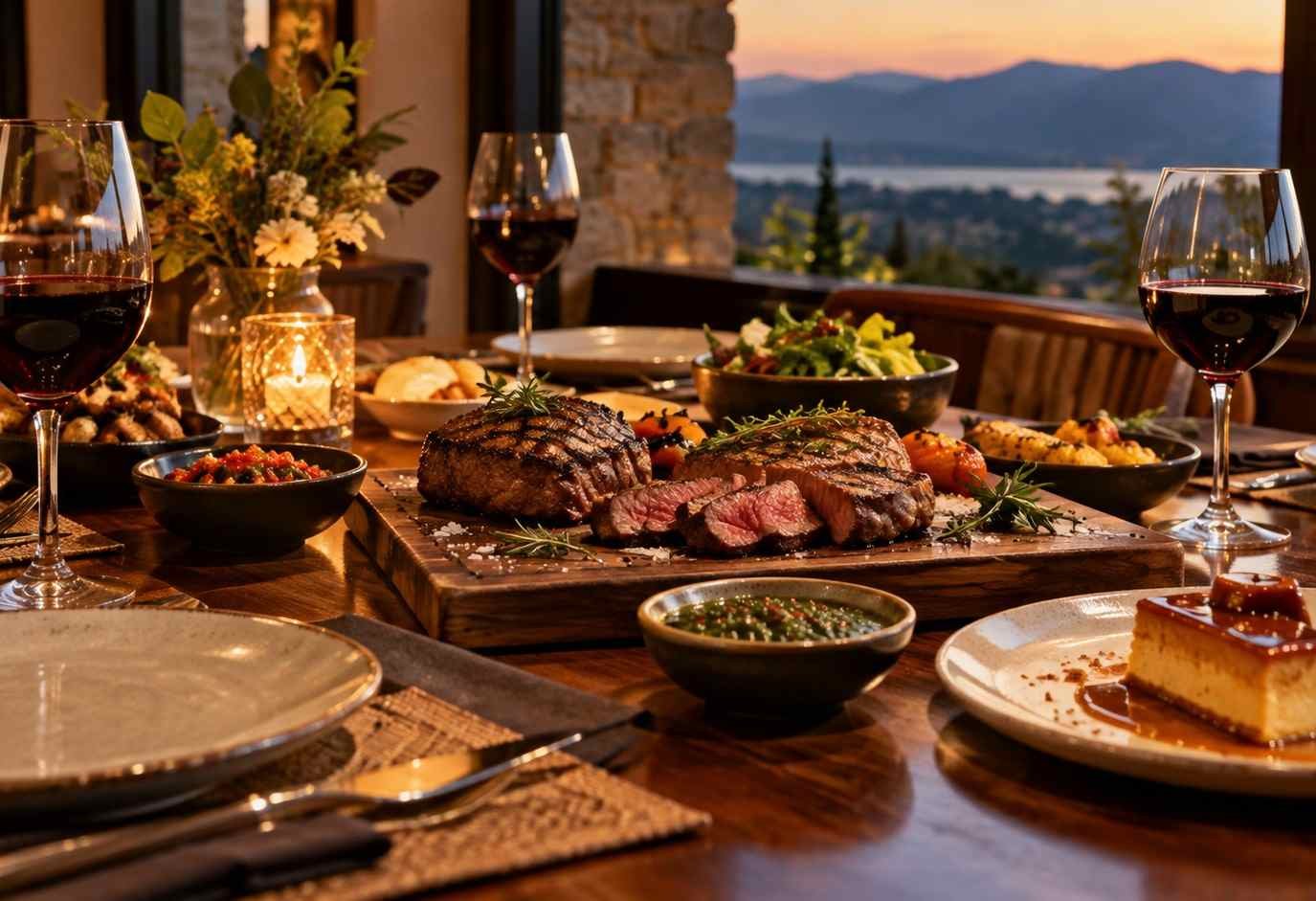
A well-planned private dining experience is never just about reserving a room and choosing a menu. It is about shaping the atmosphere, pacing, and hospitality so the gathering feels intentional from the first arrival to the final toast. When the occasion matters, every detail carries weight: how guests are welcomed, how conversation flows, how the meal complements the purpose of the event, and whether the setting feels polished without becoming stiff.
For anyone searching for private dining options, the real question is not simply where to host the event. It is which venue can support the tone you want to create. A strong private dining choice should make the planning easier, not more complicated. That is why thoughtful hosts look beyond surface-level amenities and evaluate the experience as a whole.
Start With the Purpose, Not the Menu
The most effective private events begin with a clear sense of purpose. A corporate dinner has different requirements than a milestone birthday, and a family celebration needs a different rhythm than a client-facing gathering. Before comparing venues, decide what the event needs to accomplish.
A useful way to frame it is by asking:
- Is the goal to impress, celebrate, reconnect, or close business?
- Should the evening feel relaxed, formal, festive, or highly curated?
- Will guests be speaking in groups, moving between courses, or staying seated throughout?
- Does the event need a quiet setting for conversation or a more energetic dining atmosphere?
These questions matter because they shape everything that follows. The right room, service style, and food sequence will support the event’s purpose. The wrong combination can make even an expensive dinner feel disjointed.
Libertango approaches private events with this kind of intention. As an upscale Argentine private dining in Sandy, Utah it offers a setting where the culinary experience and the environment work together rather than compete for attention. That distinction matters when the event is meant to feel memorable instead of merely functional.
Choose a Setting That Reinforces the Occasion
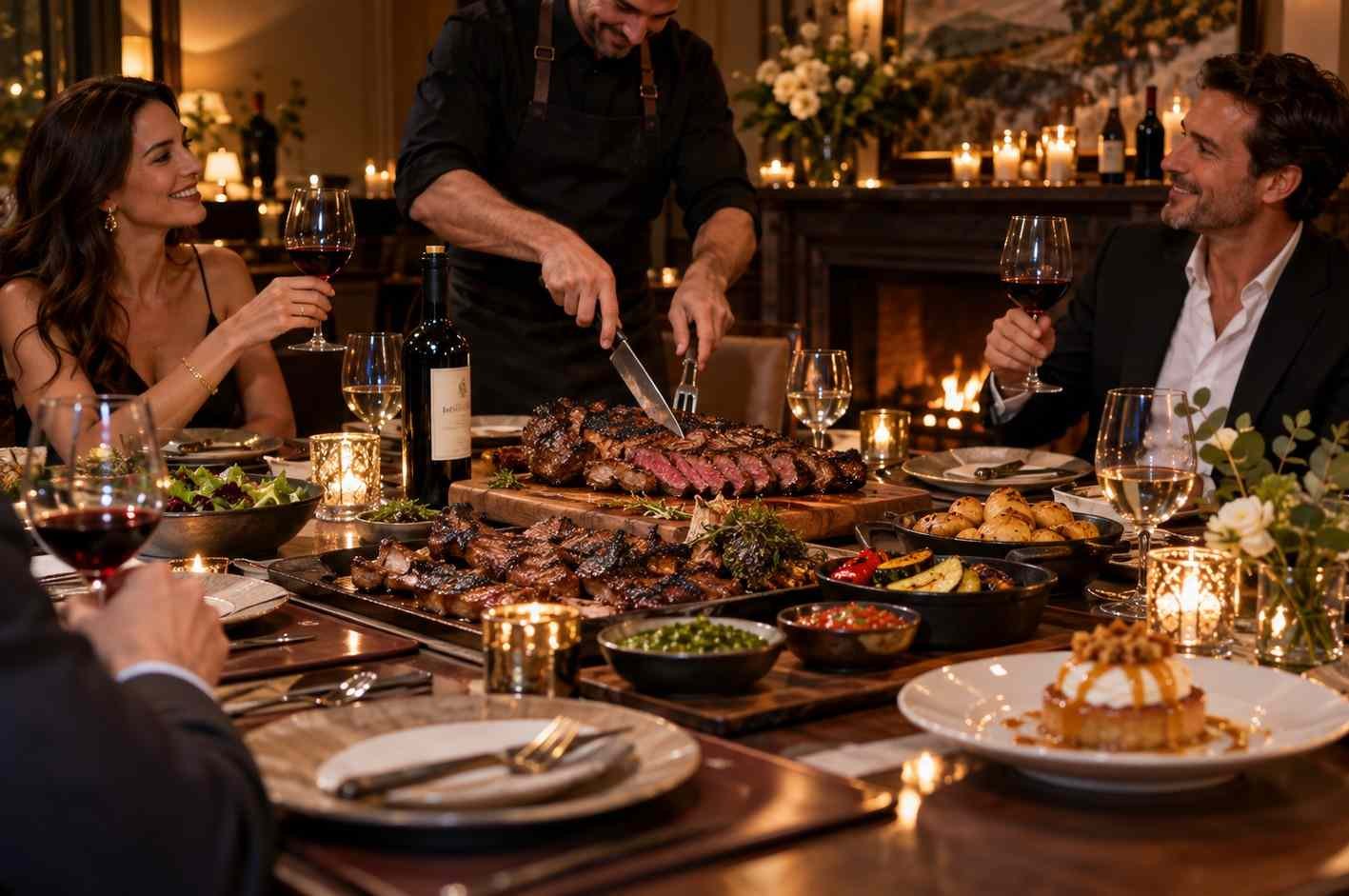
The room itself does more than hold the guests. It sends a signal about the event’s tone. A private dining space should feel distinct from the main dining room without losing the energy and service quality that make the restaurant worth choosing in the first place. Guests should feel that they are part of something special, not isolated in an awkward side area.
Atmosphere Should Support Conversation and Comfort
Good private dining is rarely loud or theatrical. It is composed. Guests should be able to speak comfortably, listen easily, and enjoy the meal without strain. That is especially important for business dinners and family milestones, where the quality of conversation often matters as much as the menu.
At Libertango, the experience is elevated by a tango-inspired aesthetic and a fine-dining steakhouse identity rooted in Argentine tradition. That combination creates a sense of occasion without leaning on gimmicks. For hosts, this means the environment already carries some of the emotional weight, which reduces the need to over-decorate or over-plan.
Match the Venue to the Guest List
The guest list should influence the venue choice as much as the cuisine does. A small executive dinner may require intimacy and discretion. A larger celebratory gathering may need a more social layout and a menu that can move smoothly across the table. The best private dining rooms accommodate both the emotional tone and the logistical realities of the event.
It is wise to think about whether the venue can handle:
- seated dining versus cocktail-style flow
- formal business conversation versus celebratory toasts
- mixed-age groups with different dining expectations
- guests who value quiet, attentive service over a casual atmosphere
When a restaurant like Libertango is selected for private dining, the appeal is not just the food. It is the cohesive identity: a sophisticated Argentine fine-dining steakhouse with a clear point of view. That makes the event feel curated rather than improvised.
Make Food and Wine Part of the Event Strategy
In a private dining setting, the menu is not background detail. It is one of the main reasons the event succeeds or fails. Guests remember whether the meal felt balanced, whether the pacing was smooth, and whether the food matched the significance of the evening. A strong private dining plan treats the menu as part of the experience design.
At Libertango, the culinary direction gives hosts a strong foundation. Premium grilled meats, traditional Argentine sides, chimichurri, South American wines, and desserts such as dulce de leche create a dining narrative that feels both distinctive and celebratory. For hosts who want a meal with identity, that matters. It is easier to build an evening around food that already has a clear voice.
Think in Courses, Not Just Entrées
One common mistake is focusing too narrowly on the main dish. In private dining, the progression of the meal often matters more than a single standout item. The first course sets the pace. The wine pairing establishes the tone. The main course delivers the centerpiece. Dessert closes the experience with memory and warmth.
That is why a venue with a thoughtful culinary program is so valuable. Libertango’s Argentine cuisine and South American wine pairings allow hosts to create a meal that feels layered and coherent. Instead of forcing unrelated dishes into the event, the menu can follow a natural arc.
Use Signature Elements to Make the Event Memorable
Signature flavors help a private dinner feel specific to the venue rather than interchangeable with any other restaurant. Chimichurri, grilled steak, and traditional South American preparations bring authenticity to the table. A rich dessert like dulce de leche gives the evening a finish that feels considered. For guests, experienceing traditions through food can make the meal feel more meaningful and connected to the culture behind each dish.
This is where Libertango stands out strategically. The restaurant does not try to imitate a generic steakhouse model. It presents a culturally grounded fine-dining experience that can elevate a celebration, a client dinner, or a family gathering without relying on novelty. That kind of clarity is rare, and it reduces the risk of the event feeling forgettable.
Treat Service as Part of the Experience, Not an Afterthought
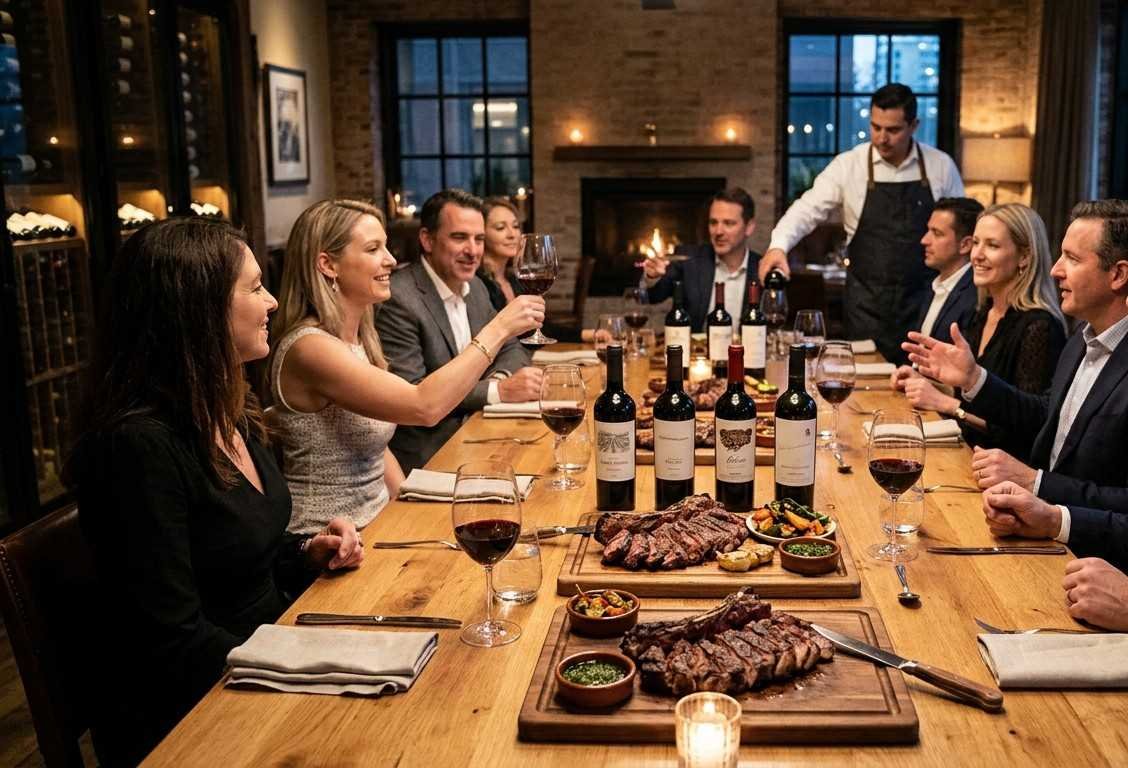
A private dinner can have beautiful food and still fall short if the service is disorganized. Timing, attentiveness, and communication shape the guest experience as much as the kitchen does. Strong hosts know that service should feel steady and invisible when possible, but responsive when needed.
That means asking practical questions before booking. How is the evening paced? How are dietary needs handled? Who coordinates the flow of courses? Can the staff help the host stay focused on guests rather than logistics? These are not minor concerns. They determine whether the evening feels seamless or fragmented.
For a private event, the best service teams reduce friction. Guests should not wonder when the next course is coming or feel rushed between courses. They should feel guided. That is especially important for professional events, where the host may need to balance hospitality with business objectives. At Libertango, attentive front-of-house service supports that balance by giving the evening structure without making it feel rigid.
Use the Booking Process to Test the Venue’s Fit
The planning process itself tells you a lot about a restaurant. A venue that understands private events will ask the right questions, communicate clearly, and help the host think through details before the reservation is finalized. That early interaction is often the best indicator of how the actual evening will go.
If you are evaluating private dining options, look for signs that the venue can guide the process rather than simply accept a booking. That includes responsiveness, clarity around event flow, and a willingness to help align the space with the occasion. Good planning should feel collaborative.
For hosts considering Libertango, the private events page is a useful starting point: private event details. It gives a sense of how the restaurant presents its hosting capabilities and helps set expectations before the first conversation.
The most effective planners also think beyond the meal itself. Consider how guests arrive, where they gather before seating, and how the evening ends. A private dinner feels more polished when the transitions are smooth. Even small details can shape whether the event feels ordinary or well-orchestrated.
The Best Private Dining Experiences Feel Intentional From Start to Finish
The strongest private dining experience is not defined by one feature. It is the result of several good decisions working together: a setting that matches the purpose, food that supports the occasion, wine that elevates the meal, and service that keeps everything moving with ease. When those pieces align, guests remember the event for the right reasons.
Libertango offers a compelling model for that kind of gathering. Its Argentine fine-dining identity, South American wines, polished hospitality, and celebratory atmosphere give hosts a clear way to create something distinctive. For anyone planning a private dinner that needs to feel thoughtful, refined, and genuinely memorable, that combination is hard to ignore.
The key is to choose a venue that understands the difference between hosting people and creating an experience. When that distinction is clear, the event itself becomes easier to plan and far more rewarding to attend.