Siding takes daily wear from weather, sunlight, and moisture that move across exterior walls. In Omaha, storms and seasonal temperature changes can stress seams and surface coatings. Learning the most common causes helps homeowners prevent repairs that grow more costly over time.
Material quality and correct installation both shape how long an exterior holds up. Quality options like James Hardie siding in Omaha appeal because they resist many common damage triggers. The sections below explain what causes siding damage and how to spot early warning signs.
1. Hail, Wind, and Flying Debris
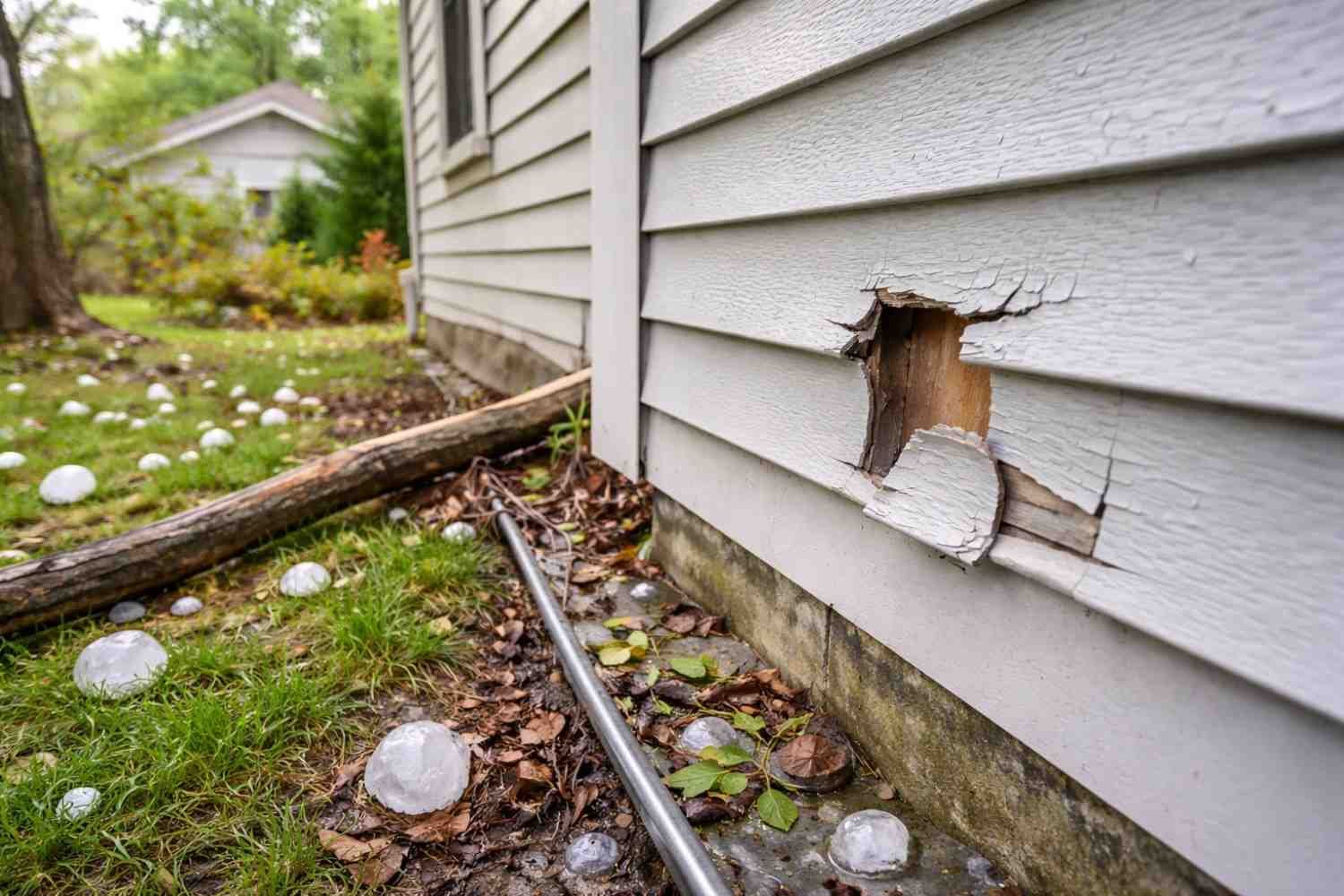
Omaha’s storms can strike siding with hail and drive debris into corners and trim edges. Impacts can crack panels and loosen fasteners, which opens small paths for moisture. Damage may look minor at first, yet it can spread after repeated weather exposure.
Check lower walls and corner posts where debris hits tend to concentrate. Loose pieces can rattle in the wind and widen gaps along seams. Early repairs from an expert in Omaha protect the wall barrier and reduce the chance of hidden rot.
2. Moisture Intrusion From Poor Drainage
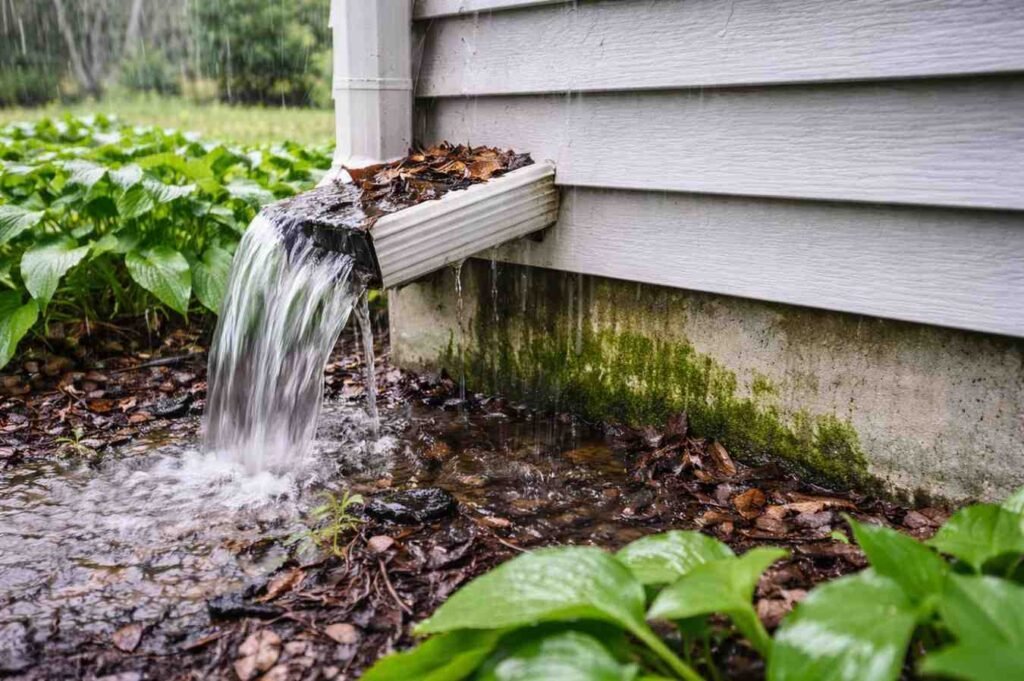
Water causes major siding problems when it drains behind panels or stays trapped near trim. Small gaps can direct water toward sheathing, which weakens wood and invites decay. The bullet points below highlight drainage issues that cause repeated moisture exposure.
- Clogged gutters that spill water along fascia and down exterior walls during heavy rain.
- Short downspouts that dump runoff near the foundation and splash water onto siding surfaces.
- Missing kick-out flashing where the roof edges meet the walls near the upper siding sections.
- Soil and mulch are piled too high, which keeps the lower siding damp after storms.
3. Sun Exposure and Temperature Swings
The strong sun in Omaha can fade color and dry out surface coatings over time. Temperature swings can cause expansion and contraction that stress seams and fasteners. These shifts can lead to warping, cracking, and small gaps along lap joints.
South-facing walls usually show the earliest signs of heat-related wear. Look for brittle surfaces and uneven color near windows and trim. Consistent maintenance helps reduce surface breakdown and keeps the exterior looking fresh.
4. Poor Installation and Weak Fastening
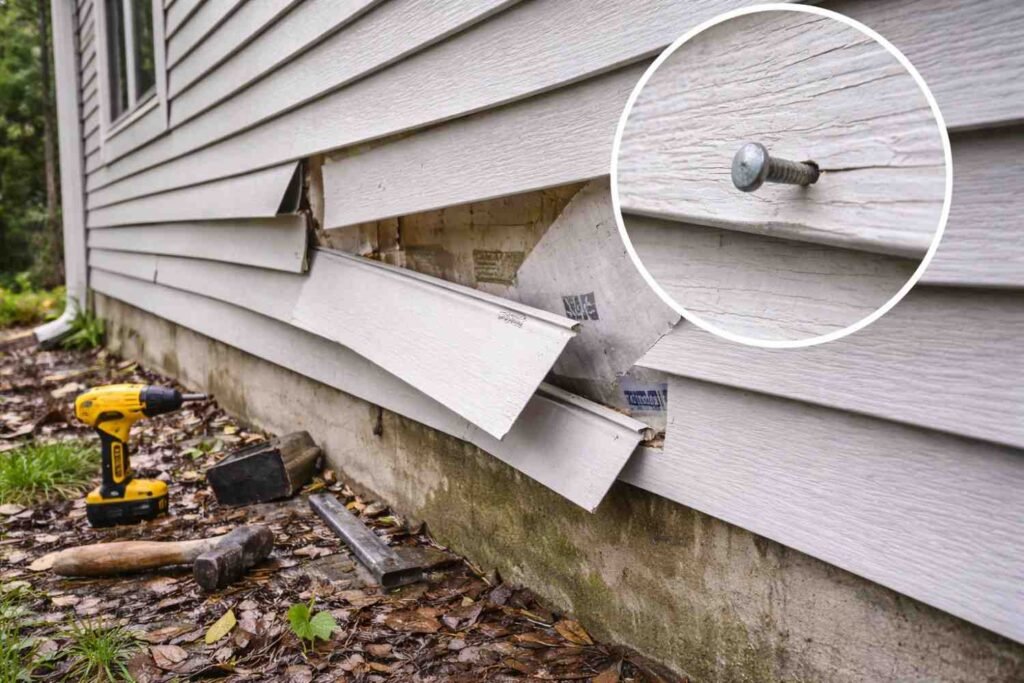
Installation quality affects how well siding handles wind load, moisture, and seasonal movement. Poor alignment can leave gaps that pull wider as panels shift over time. The bullet points below highlight installation problems that lead to early failure.
- Incorrect nailing patterns that restrict movement and cause cracks along the surface.
- Loose fasteners that let panels flutter and widen seams during strong wind events.
- Unsealed joints around windows and doors that allow water entry behind trim.
- Poor flashing detail at penetrations that leaves leak paths near high-risk edges.
5. Impact Damage From Daily Use and Yard Work
Siding can suffer dents and cracks from lawn tools, patio furniture, and kids’ play areas. Lower panels face the most risk because the contact points stay close to ground level. Small marks can become moisture entry points after rain and freeze-thaw cycles.
Some homeowners choose tougher materials like James Hardie siding in Omaha because daily wear can add up fast. Fiber cement resists many dents and helps the exterior keep cleaner lines in high-traffic zones. This durability can reduce frequent patch work and protect the wall barrier over time.
Siding damage in homes in Omaha usually comes from storms, moisture problems, sun stress, poor installation, and daily impacts. Early detection helps homeowners fix small issues before water reaches sheathing and framing. With good drainage and quality materials, siding can stay strong and attractive for years.